
Fertilization
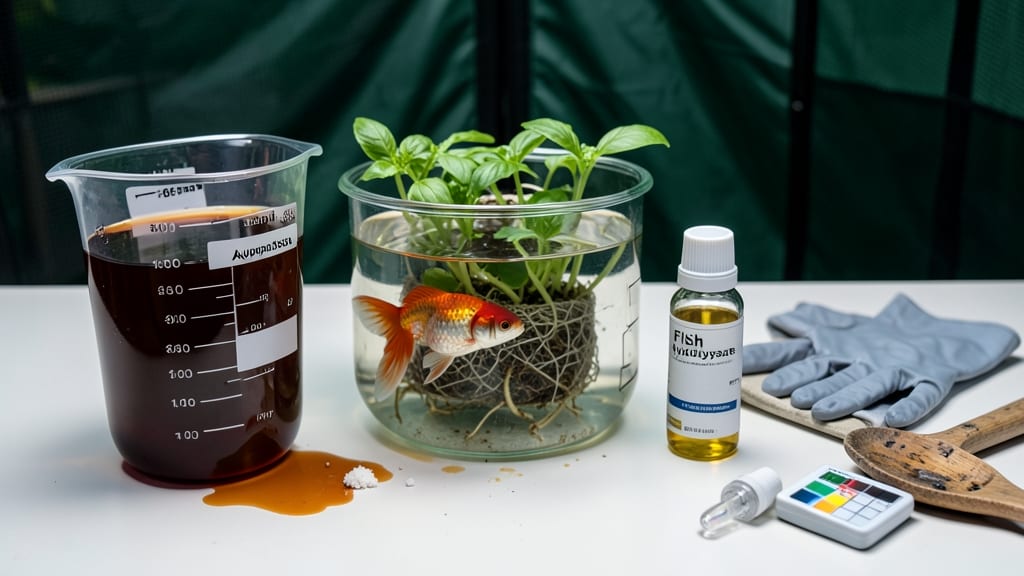
Using fish fertilizer per gallon of water is the secret weapon for hydroponic and aquaponic growers who want lush, fast growth—but one wrong move can turn your system into a nutrient soup.
Struggling to balance nutrient levels in your hydroponic or aquaponic system? Fish fertilizer is a game-changer, but getting the dosage right can mean the difference between thriving plants and wasted resources. Too little, and your plants starve; too much, and you’re left with algae blooms or root burn.
This guide breaks down the exact ratios for different plant types and growth stages, from seedling to flowering, so you never guess again. Whether you’re feeding leafy greens, fruiting plants, or cannabis, we’ve got the science-backed measurements to keep your system in perfect balance.
You’ll also learn how to scale doses for any container size, spot early signs of over- or under-fertilization, and adjust your approach for different seasons. No more wasted fertilizer—just stronger roots, bigger yields, and happier plants.
Fish fertilizer dosage chart by plant type and growth stage
Getting the fish fertilizer dosage right is crucial for your hydroponic or aquaponic system. Too little and your plants will starve for nutrients, while too much can burn roots or create algae blooms.
The key lies in adjusting the fish emulsion ratio based on your plant type, growth stage, and system type. Whether you're growing leafy greens like lettuce or heavy feeders like tomatoes, precision is everything.
For aquaponics systems, the fish waste already provides nutrients, so you'll need a lighter touch compared to hydroponics. In hydroponics, you're starting from scratch, so higher concentrations are often necessary.
Always use gloves and eye protection when handling fish fertilizer, as it has a strong odor and can irritate skin.
Here's a comparison table for common plants at different growth stages. Use these as your starting point, then adjust based on your plants' responses. Remember, seedlings need less than mature plants, and flowering stages often require more phosphorus.
How to calculate fish fertilizer for different water volumes
Fish fertilizer is one of my favorite organic nutrients for hydroponic and aquaponic systems because it delivers essential nutrients like nitrogen, phosphorus, and potassium in a plant-friendly form. But calculating the right amount can be tricky, especially when scaling from small containers to large tanks.
The key is understanding how to adjust your dosage per gallon based on your system's size.
For beginners, starting with a 1-gallon baseline is easiest. Most fish fertilizers recommend 1 tablespoon per gallon for general plant growth, but you'll need to adjust this for larger volumes.
Always dilute the fertilizer in a separate container before adding it to your system to avoid shocking your plants with concentrated nutrients.
Here's a quick reference for scaling fish fertilizer dosages based on water volume:
| Water Volume | Base Dosage | Example Application | Notes |
|---|---|---|---|
| 1 gallon | 1 tbsp | Small containers, seedling trays | Start here for testing |
| 5 gallons | 5 tbsp (1/3 cup) | Medium hydroponic buckets | Mix in 5-gallon bucket first |
| 10 gallons | 10 tbsp (2/3 cup) | Small aquaponic systems | Use 50% of dose for seedlings |
| 50 gallons | 50 tbsp (3.25 cups) | Large hydroponic tanks | Divide into 2 feedings |
| 100+ gallons | 1 cup per 20 gallons | Commercial systems | Test water weekly |
When scaling up, always use a measuring cup for accuracy. For systems over 50 gallons, consider using a fertilizer injector to maintain consistent nutrient levels. Remember to monitor your plants after each feeding - yellowing leaves often indicate over-fertilization, while stunted growth suggests you need more nutrients.
For beginners, I recommend starting with a 25% safety margin below the recommended dose. This gives you room to adjust without risking nutrient burn. Always apply fish fertilizer during the active growth phase of your plants, typically in the morning when they can absorb nutrients most efficiently.
One pro tip I learned from years of gardening: keep a fertilizer log to track your dosages and plant responses. This helps you fine-tune your approach over time. And remember, organic fertilizers like fish emulsion break down naturally, so you'll need to reapply more frequently than synthetic options.