
How To
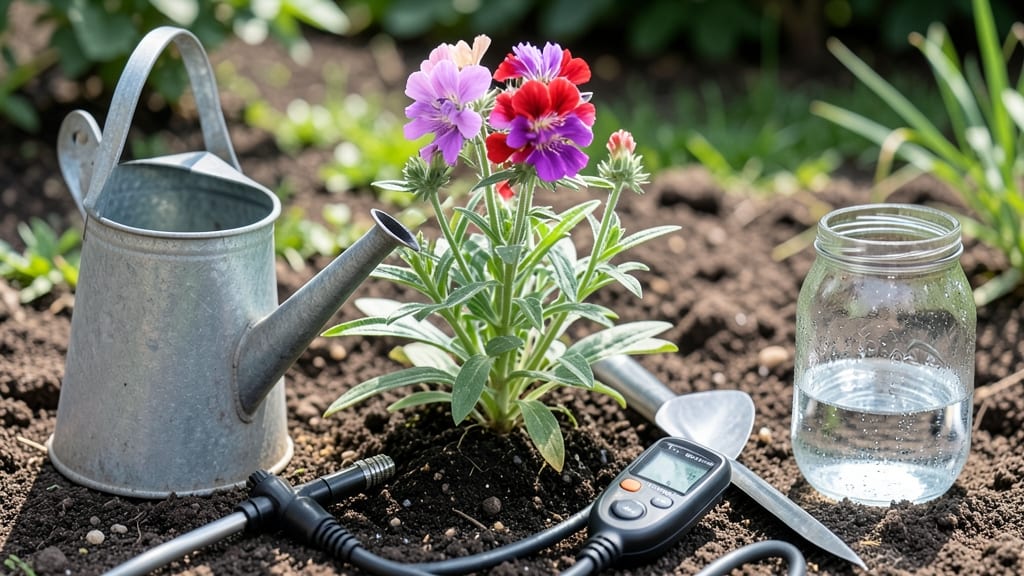
Snapdragon watering schedule by growth stage: from seedlings to full bloom
Snapdragons thrive on consistency, but their water needs change dramatically from seedling stage to full bloom. Too much water drowns their delicate roots, while too little causes buds to drop before they open. Understanding these growth-stage watering guidelines ensures your snapdragons grow lush and colorful all season.
Young snapdragon seedlings have tiny root systems that dry out quickly, while mature plants develop deeper roots that store moisture. The key is adjusting your watering frequency and depth as they grow. Let's break down exactly how much water snapdragons need at each stage, backed by plant biology insights.
For seedlings (first 4-6 weeks), aim for daily watering with just ¼ inch of water per application. Use a spray bottle or gentle watering can to avoid disturbing the soil.
Their shallow roots need frequent hydration, but soggy soil invites fungal diseases like damping off, which can kill seedlings overnight.
Once seedlings reach 2-3 inches tall (about 4-6 weeks), they enter the vegetative growth stage. At this point, increase water to ½ inch per week, splitting it into 2-3 watering sessions.
Water deeply to encourage roots to grow downward, but allow the top inch of soil to dry between waterings to prevent root rot.
The flowering stage (8+ weeks after planting) demands the most water, especially during summer heat. Snapdragons need ¾ inch of water per week, split into 2-3 sessions.
Deep watering encourages roots to grow deeper, making plants more drought-resistant. During extreme heat, increase to 1 inch per week and water in the early morning to reduce evaporation.
Container-grown snapdragons dry out faster than garden beds. Check soil moisture daily by sticking your finger 1 inch deep—if it's dry, water thoroughly. In hot climates, containers may need water every 2-3 days, while garden beds can go 5-7 days between waterings.
Always water at the base of the plant to prevent fungal diseases from wet foliage.
Seasonal adjustments are crucial. In spring and fall, snapdragons need moderate watering (every 3-5 days), while summer heat requires more frequent hydration. During winter dormancy (if in cold climates), reduce watering to bi-weekly or only when soil is completely dry.
Mulching with 2-3 inches of organic matter helps retain moisture and regulate soil temperature.
Watch for signs of stress: Drooping leaves indicate thirst, while yellowing leaves signal overwatering. Snapdragons are drought-tolerant once established, but they won't bloom well if stressed.
The goal is to keep soil consistently moist but never waterlogged. Use a moisture meter for accuracy, especially in containers where roots can't spread as widely.
Pro tip: Group snapdragons with plants that have similar water needs, like petunias or marigolds, to create a
Signs your snapdragons are overwatered or underwatered (and how to fix it)
Snapdragons thrive with consistent moisture, but too much or too little water can spell disaster. Yellowing leaves, drooping stems, or mushy roots often signal trouble. Learning to read your plants' signals will help you adjust before damage becomes permanent.
Start by checking the soil moisture—stick your finger 1-2 inches deep. If it feels damp, hold off on watering. If it's bone-dry, it's time to hydrate. Container-grown snapdragons dry out faster than those in garden beds, so they need more frequent checks.
🚨 INSERT PROS-CONS-BOX ELEMENT 🚨
Overwatering Risks
- 🌱 Root rot (black, mushy roots)
- 🌱 Yellow leaves (lower leaves first)
- 🌱 Fungal diseases (powdery mildew)
Underwatering Risks
- 🌱 Wilting (leaves droop even when hydrated)
- 🌱 Crispy edges (brown leaf tips)
- 🌱 Slow growth (stunted stems)
Fix Overwatering
- ✂️ Stop watering immediately
- 🪴 Repot if soil stays soggy
- 🌱 Improve drainage (add perlite)
Fix Underwatering
- 💧 Water deeply (1 cup per plant)
- 🌱 Mulch to retain moisture
- ☀️ Check shade (reduce afternoon sun)
For overwatered snapdragons, the first step is to stop watering and let the soil dry out. If the roots are mushy or black, trim them with sterilized scissors and repot in fresh, well-draining soil. Containers need drainage holes—if yours lack them, drill some immediately.
When snapdragons are underwatered, their leaves may feel crispy to the touch. Water deeply in the morning to avoid fungal issues, and apply a 2-inch layer of mulch to lock in moisture. Grouping plants together also helps create a microclimate that retains humidity.
Seasonal adjustments matter too. In summer heat, snapdragons may need daily watering, while fall rains often reduce the need. Always water at the base to avoid wetting leaves, which can lead to fungal infections like powdery mildew.
Regularly inspect your snapdragons for these signs. With the right balance, your plants will reward you with vibrant blooms from spring through fall. 🌸