
Light Requirements
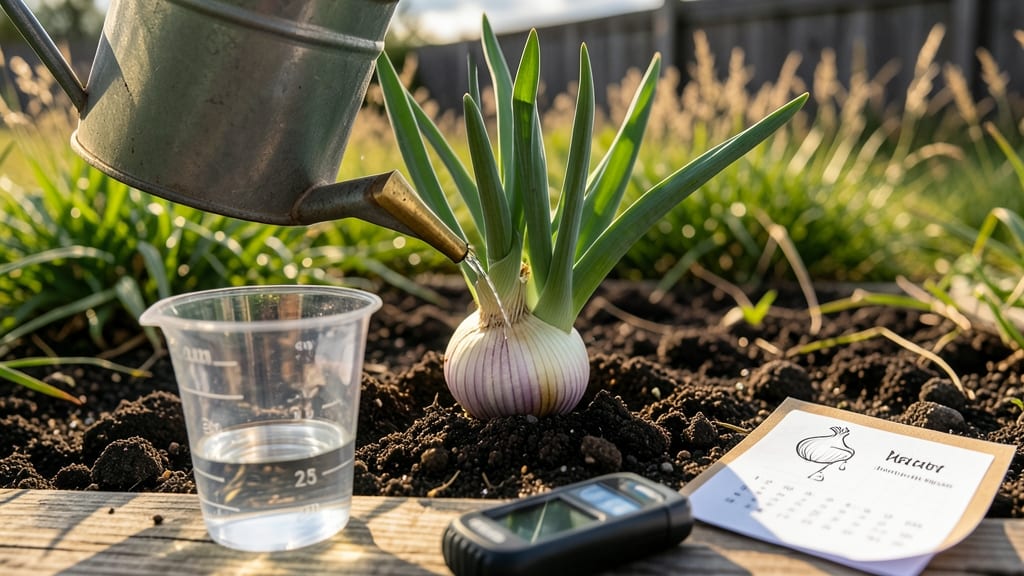
To water onions properly, aim for about 1 inch of water per week—that’s the magic number for strong, flavorful bulbs 🧅 that don’t split or rot.
Struggling to grow plump, flavorful onions? The secret isn’t just soil or sunlight—it’s watering. Too much or too little, and you’ll end up with weak bulbs or bitter flavors. Here’s the science-backed rule every onion grower needs to follow.
Think of your onions like a sponge: they need consistent moisture, but they’ll drown if you overdo it. In Zone 6a, where spring planting kicks off in March, that 1-inch weekly rule keeps roots happy without inviting fungal diseases.
But heat waves or heavy clay soil? Those change the game.
Below, I’ll break down exactly how to measure water, spot the signs of over- or under-watering, and adjust for green onions vs. bulb varieties—so you can grow onions that rival the grocery store (or beat them).
The 1-Inch weekly watering rule for onions (and when to adjust)
Growing perfect onions starts with understanding their water needs. The 1-inch weekly watering rule is my go-to guideline for healthy onion growth. This means providing 1 inch of water per week—either from rainfall or irrigation—to keep your plants thriving.
But how do you measure this, and when should you adjust? Let’s break it down.
To measure 1 inch of water, place a straight-sided container (like a tuna can) in your garden. After watering or rain, check the water level inside. If it’s 1 inch deep, you’ve hit the target.
This method ensures consistency, whether you’re using a hose, drip system, or watering can. Morning watering is ideal to prevent fungal diseases and allow foliage to dry quickly.
Here’s how the 1-inch rule applies to different onion varieties. Bulb onions (like Yellow or Red onions) need consistent moisture to develop plump, flavorful bulbs. Green onions (scallions) and shallots, on the other hand, tolerate slightly drier conditions but still benefit from regular watering to prevent bitterness.
Adjustments are key based on your climate and soil type.
Your local climate plays a huge role in adjusting the 1-inch rule. In hot, dry regions, increase watering by 20% to compensate for evaporation. If you’re in a cooler, rainy climate, reduce frequency to avoid waterlogging.
Use your finger to check soil moisture—1 inch deep should feel damp but not saturated.
Soil type also demands adjustments. Sandy soil drains quickly, so you may need to water daily to maintain moisture. Clay soil, on the other hand, holds water longer, so reduce frequency to every 10 days unless it’s extremely dry.
Amending soil with compost improves water retention and reduces your workload.
For green onions, which are harvested before bulb formation, slightly reduce water to 0.75 inch per week. This prevents hollow stems and encourages tender growth. Bulb onions, however, thrive on consistent moisture during their active growing phase.
Once bulbs form, taper off watering to 0.5 inch per week to toughen skins and improve storage life.
Watch for weather patterns to fine-tune your watering schedule. After a heavy rain, skip watering for a day or two. During heatwaves, water in the early morning to minimize evaporation and reduce stress on plants.
Mulching with straw or grass clippings helps retain soil moisture and keeps roots cool.
Overwatering is a common mistake that leads to yellow leaves, mold, and rotten bulbs. Underwatering causes stunted growth and bitter flavors. The key is balance—consistent moisture without soggy soil.
If your onions start showing signs of distress, adjust immediately. For example, if leaves wilt in the afternoon, it’s time to water.
By following the 1-inch weekly rule and adjusting for your specific conditions, you’ll grow plump, sweet onions every season. Start with this guideline, observe your plants, and tweak as needed. Your garden—and your taste buds—will thank you! 🌱
Signs your onions are overwatered or underwatered (and how to fix it)
Onions are surprisingly sensitive to water—too much or too little throws off their growth. I’ve seen yellowing leaves from overwatering and stunted bulbs from underwatering. The key is spotting symptoms early before your harvest suffers. Let’s break down what to watch for and how to fix it.
When your onions get overwatered, you’ll notice mushy soil around the base and gray mold on leaves. Roots may rot, and the bulbs won’t form properly.
On the flip side, underwatered onions show crispy, brown edges on leaves and small, tough bulbs. Both extremes mean lost flavor and yield.
- ✔️ Soft, lush leaves (short-term)
- ✔️ Cooler soil temps in heat
- ✖️ Root rot and fungal growth
- ✖️ Small, weak bulbs
- ✖️ Yellow leaves and mold
- ✔️ Stronger root systems
- ✔️ Firmer bulbs with better flavor
- ✖️ Crispy, brown leaf edges
- ✖️ Stunted growth
- ✖️ Bitter taste in bulbs
If your onions show signs of overwatering, stop watering immediately and let the soil dry out. I recommend pulling plants slightly to check for soggy roots.
For underwatered onions, water deeply in the morning and add 2-3 inches of mulch to retain moisture. Both fixes take patience—don’t rush recovery.
Green onions handle water differently than bulb onions. The former can tolerate slightly more moisture, while bulbs need drier conditions as they mature. Always adjust based on your soil type—sandy soil drains faster than clay. Use a moisture meter if you’re unsure!
For bulbs, reduce watering 4-6 weeks before harvest to toughen skins. I’ve seen gardeners skip this step and end up with soft, bruised onions. Pro tip: If your onions start flowering, they’re stressed—likely from inconsistent watering. Snip the flower stalks to redirect energy to bulb growth.
Remember, onions thrive on consistency. Stick to the 1-inch weekly rule and adjust for rain or heat. With the right balance, you’ll grow plump, sweet onions every time. 🧅