
How To
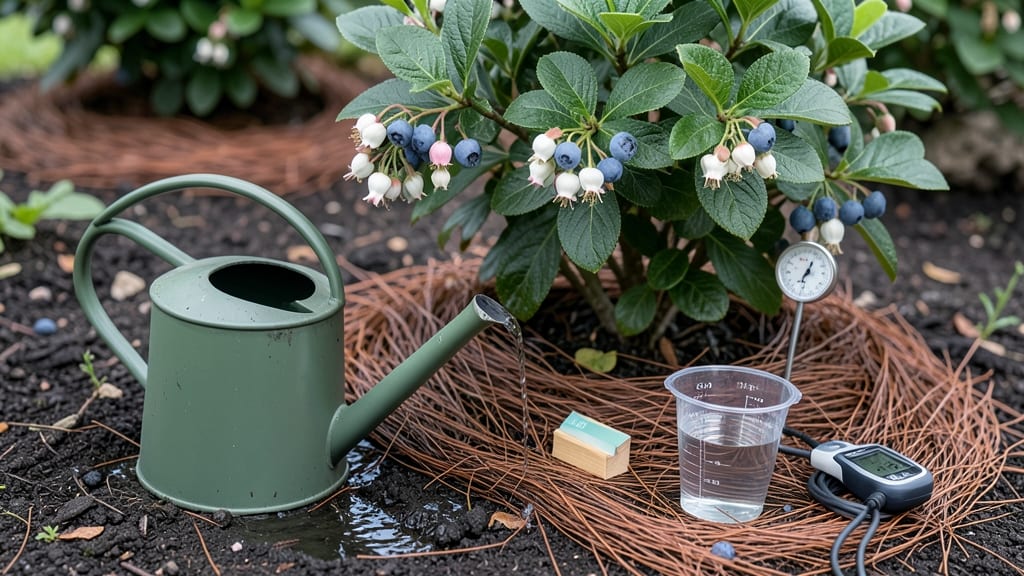
Blueberries need about 1 inch of water per week to thrive, whether from rain or irrigation, making consistent moisture the key to sweet, plump berries 🫐.
Here’s the catch: too little water and your bushes wilt, while too much drowns the roots. I’ve seen firsthand how a missed watering cycle can turn a promising harvest into sad, shriveled berries—so nailing this balance is non-negotiable.
From spring planting to summer heat waves, water needs shift. Established plants in Zone 6a might handle a weekly deep soak, but new bushes need more frequent checks—especially in containers where soil dries faster.
In this guide, I’ll break down exactly how to measure soil moisture, adjust for drought or downpours, and spot the warning signs of over- or under-watering before it’s too late.
The 1-Inch water rule: how much blueberries need weekly
Blueberries thrive on consistency, and their water needs are no exception. The 1-inch-per-week rule isn’t just a guideline—it’s a science-backed approach to keeping your bushes hydrated without drowning their roots. This means delivering 1 inch of water to the soil every week, whether through rainfall or irrigation.
For new plants, you’ll need to water more frequently, while established bushes can handle slightly longer intervals.
Why does this rule work? Blueberries have shallow roots that spread wide, not deep. They need consistent moisture to produce fruit, but their roots also hate soggy soil. The 1-inch rule balances these needs perfectly, ensuring your bushes get enough water without inviting root rot or fungal diseases.
Think of it as giving your blueberries a daily drink in manageable portions.
Now, let’s break down how this rule translates into real-world watering. The 1-inch measurement includes both natural rainfall and any water you add. If you get 0.5 inches of rain in a week, you’ll only need to supplement with 0.5 inches more from your hose or watering can.
Use a rain gauge or a simple tuna can buried in the soil to track rainfall accurately—this small tool saves you from over- or under-watering.
| Season | Water Needs | Frequency | Notes |
|---|---|---|---|
| Spring | 1-1.5 inches | Every 2-3 days | Critical for new growth |
| Summer | 1-2 inches | Daily to every other day | Mulch to retain moisture |
| Fall | 0.5-1 inch | Weekly | Reduce as temps drop |
| Winter | Minimal (0.25 inch) | Bi-weekly | Avoid soggy soil |
| New Plants | 1-1.5 inches | Every 2-3 days | Keep soil moist |
| Established Bushes | 1 inch | Weekly | Adjust for rainfall |
Seasonal adjustments are key to keeping your blueberries happy. In spring, when new growth is pushing through the soil, you’ll need to water more frequently—every 2-3 days—to support their energy demands.
This is also when you should deep water your bushes, soaking the soil to a depth of 6-8 inches. Use your finger to check moisture: if the top inch of soil feels dry, it’s time to water again.
Summer brings its own challenges. With higher temperatures and increased evaporation, your blueberries may need up to 2 inches of water per week, especially if you’re in a hot, dry climate. Water in the early morning to reduce evaporation and fungal risks.
A 3-inch layer of mulch around your bushes will help retain moisture and keep roots cool. If you notice leaves curling or wilting, it’s a sign you’re not providing enough water during these peak heat months.
Fall and winter are all about scaling back. As temperatures drop, your blueberries enter dormancy, and their water needs decrease dramatically. In fall, reduce watering to once a week or less, depending on rainfall. By winter, you should only water bi-weekly if the ground is completely dry.
The goal is to keep the soil barely moist, not soggy. Overwatering in winter can lead to root rot, which is especially dangerous when the ground is frozen.
Container-grown blueberries require even more attention. Since pots dry out faster than in-ground soil, you’ll need to water every 2-3 days in summer, checking the moisture level daily. Stick your finger into the soil—if it’s dry past the first inch, water thoroughly until it runs out of the drainage holes.
For container plants, self-watering pots or drip irrigation systems can be a game-changer, ensuring consistent moisture without the guesswork.
Don’t forget to test your soil moisture regularly. The finger test is the easiest method: push your finger into the soil. If it feels dry up to your first knuckle, it’s time to water. For a more precise approach, use a so
Signs your blueberries are overwatered or underwatered (and how to fix it)
Your blueberry bushes communicate water stress through subtle but unmistakable clues. Yellowing leaves or drooping branches aren’t just random—these are SOS signals from your plants. I’ve learned the hard way that ignoring these signs can lead to stunted growth or even plant death, so let’s decode them together.
First, check the soil moisture by sticking your finger 1-2 inches deep. If it feels bone-dry, your plants are thirsty.
But if water pools on the surface or the soil smells sour, you’ve overdone it. Root rot from excess water is a silent killer, so act fast if you spot mushy stems or grayish mold.
💧 How Much Water Do Blueberries Need?
1 inch per week is the golden rule, but split it into deep waterings 2-3 times weekly during dry spells. New plants need more frequent checks (every 2-3 days), while established bushes can handle weekly deep soaks. Morning watering prevents fungal diseases, and mulch locks in moisture—critical for container-grown blueberries where soil dries faster.
⚠️ Warning: Never let blueberries sit in soggy soil. Adjust for rain by skipping watering if you’ve gotten 1 inch or more in a week.
Underwatered blueberries show crispy leaf edges and drooping canes—a clear sign they’re wilting under stress. If you see small, shriveled berries or premature leaf drop, your plants are begging for hydration.
To fix this, water deeply until the soil is moist 3-4 inches down, then mulch with pine needles or straw to retain moisture.
Overwatered bushes reveal their struggles through yellowing leaves that stay soft (not crispy) and stunted new growth. If you notice white fungal growth at the base or roots that smell rotten, your blueberries are drowning.
The fix? Stop watering immediately and improve drainage by amending the soil with compost or perlite.
For container-grown blueberries, the stakes are even higher. Pots dry out faster, so check soil moisture daily in summer.
If the top inch is dry, water thoroughly—never let containers sit in saucers of water, as this suffocates roots. Dwarf varieties need the same care as in-ground plants but may require daily watering in extreme heat.
Remember: consistency is key. Blueberries hate moisture swings, so stick to a schedule. If your bushes look perky and green with plump berries, you’ve nailed it. But if you spot any of these signs, adjust your watering routine immediately—your future harvest depends on it! 🫐