
How To
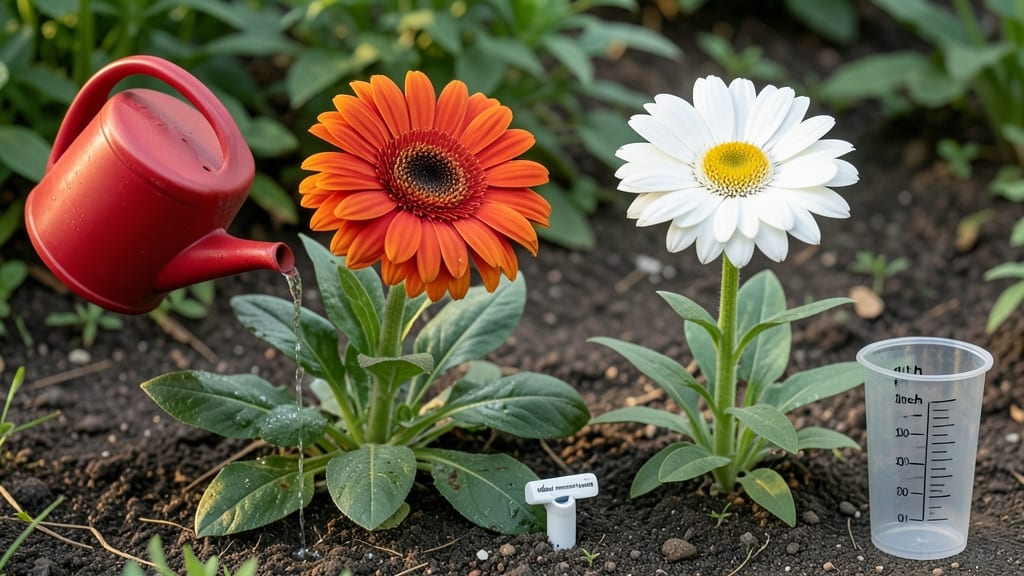
Daisies need about 1 inch of water per week to thrive—too little wilts them, and too much rots their roots.
Here’s the catch: most gardeners guess wrong, drowning their 🌼 or leaving them parched. The fix is simpler than you think—just check the soil, adjust for heat waves, and water at the right time of day.
In USDA Zone 6a, where spring planting kicks off in March, your daisies will need more frequent watering until roots establish. Once summer hits, a deep soak every 2-3 days keeps blooms vibrant without wasting water.
Below, I’ll break down the exact schedule, how to spot thirsty leaves (or soggy soil), and why your morning watering habit is actually sabotaging growth.
Daisy watering requirements by type: perennial vs annual varieties
Daisies may look effortless, but their watering needs vary dramatically between perennial and annual types. Perennial daisies like Shasta and Oxeye develop deep root systems that make them drought-tolerant once established, while annual varieties such as Gerbera daisies need consistent moisture to thrive.
The biggest mistake? Overwatering—it's the #1 cause of root rot and stunted growth in both types.
Soil moisture preferences also differ: clay-heavy soils require less frequent watering, while sandy soils dry out quickly and need more attention. Even seasonal adjustments matter—spring and summer demand more water, while fall and winter can be scaled back dramatically. Let's break down the exact needs for your favorite daisy types.
Pro Tip: Always water at the base of the plant (not overhead) to prevent fungal diseases like powdery mildew. Use a moisture meter or the finger test (insert 1 inch deep—if dry, water).
| Daisy Type | Water Frequency | Soil Moisture Preference | Drought Tolerance | Seasonal Adjustments |
|---|---|---|---|---|
| Shasta Daisy (Perennial) | Every 5-7 days (established); 3-4 days in extreme heat | Moderately moist (never soggy) | High (deep roots) | Reduce to bi-weekly in fall/winter |
| Oxeye Daisy (Perennial) | Every 7-10 days (drought-resistant) | Well-draining (hates wet feet) | Very High (native to dry prairies) | Minimal water in dormant months |
| Gerbera Daisy (Annual) | Every 2-3 days (keep soil moist) | Consistently moist (not waterlogged) | Low (needs regular hydration) | Increase to daily in peak summer |
| Painted Daisy (Perennial) | Every 4-5 days (moderate needs) | Average garden soil (adaptable) | Moderate (tolerates dry spells) | Reduce to weekly in cooler months |
| African Daisy (Annual) | Every 3-4 days (needs more water) | Moist but well-draining | Low (wilts quickly when dry) | Mulch to retain moisture in heat |
💧 Note: All daisies need 1 inch of water per week during growing season (including rainfall). Adjust for clay/sandy soils.
Did you know Oxeye daisies are the most drought-tolerant variety? Their deep taproots can reach water up to 3 feet underground, making them perfect for xeriscaping. In contrast, Gerbera daisies are the thirstiest—think of them like tropical plants that need consistent humidity to prevent bud drop.
For perennial daisies, the key is deep watering—soak the soil 6 inches deep every time you water. This encourages roots to grow downward, making them more resilient. Annual varieties, however, prefer shallow, frequent watering to mimic their natural rainy-season growth patterns.
Watch for these red flags: Wilting leaves mean underwatering, while yellowing foliage or mushy stems signal overwatering. Mulching with 2-3 inches of organic matter (like straw or shredded leaves) helps retain moisture while protecting roots from temperature swings.
In hot climates (USDA zones 8-10), increase watering by 25-50% during peak summer months. For cooler zones (3-6), reduce frequency in fall and winter—dormant daisies only need enough water to prevent complete soil drying.
One final tip: Water in the morning (between 6-10 AM) to allow foliage to dry before nightfall, reducing fungal risks. Avoid evening watering, as damp leaves overnight create the perfect environment for powdery mildew.
Now that you know the exact watering needs for your daisy type, your plants will reward you with longer bloom seasons and healthier growth. Happy gardening! 🌼
Weekly watering schedule for daisies: step-by-step guide by climate zone
Your daisies' watering needs change with the seasons and your local climate. In USDA zones 3-6, where winters are cold, focus on spring establishment and summer hydration. Meanwhile, zones 7-10 require more frequent watering during peak heat to prevent wilting.
The key is adapting your schedule to match your daisies' growth stages—from seedling to full bloom.
For all daisies, 1 inch of water per week (including rainfall) is the golden rule during growing season. However, young plants need daily watering for the first 2-3 weeks after transplanting to help roots establish.
Once established, perennials like Shasta daisies can go 7-10 days without water, while annuals like Gerberas need every 2-3 days in heat.
How Much Water Do Daisies Need?
- Establishment Phase (First 3 Weeks): Water daily (1/2 inch per watering) to encourage root growth.
- Peak Bloom (Summer): 1 inch per week (every 2-3 days in zones 8-10, every 4-5 days in zones 3-6).
- Late Summer Care: Reduce to every 5-7 days to harden off plants before fall.
- Clay Soils: Water every 7-10 days—clay holds moisture longer.
- Sandy Soils: Water every 2-3 days—sand drains quickly.
- Morning Watering: Always water before 10 AM to prevent fungal diseases.
- Deep Watering: Soak soil 6 inches deep each time to encourage deep roots.
In USDA zones 3-6, start with weekly deep watering in spring, then increase to every 2-3 days during summer's peak heat. For zones 7-10, begin with every 3-4 days in spring, then switch to daily watering in July and August if temperatures exceed 90°F.
Always check soil moisture by inserting your finger 1 inch deep—if it feels dry, it's time to water.
One common mistake is watering too lightly. A light sprinkle only wets the surface, encouraging shallow roots. Instead, use a soaker hose or drip irrigation to deliver water slowly and deeply.
This method also reduces evaporation and prevents fungal spores from splashing onto leaves. For container-grown daisies, water until water runs out the drainage holes, then repeat every 2-3 days in summer.
Watch for seasonal cues: In fall, reduce watering to every 7-10 days as daisies prepare for dormancy. In winter (zones 3-6), water monthly only if the ground isn't frozen.
For zones 7-10, continue light watering every 2 weeks during dry spells. The goal is to keep soil slightly moist, not soggy.
Pro Tip: Mulch around your daisies with 2-3 inches of organic mulch (like straw or wood chips) to retain moisture and regulate soil temperature. This simple step can cut your watering needs by 30% while keeping roots cool in summer and insulated in winter.
By following this climate-zone-specific schedule, your daisies will stay healthy, vibrant, and blooming from spring through fall—without the guesswork. Adjust as needed based on rainfall and temperature fluctuations, and your garden will thank you with long-lasting color all season long! 🌼