
Watering
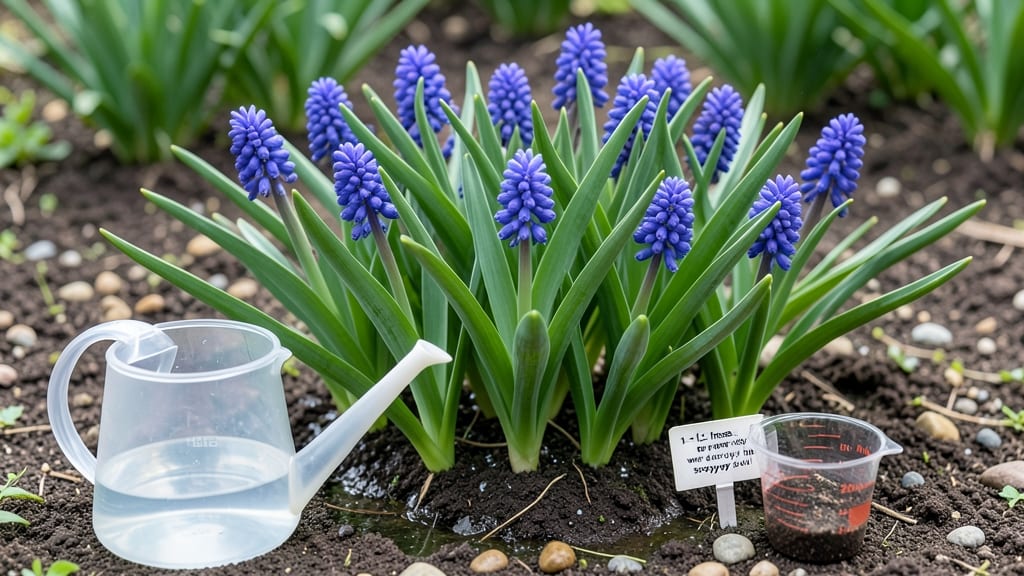
How much water do hyacinths need to ensure vibrant blooms every spring? Most gardeners either drown or starve them, but the secret lies in a precise watering routine.
Struggling to keep your hyacinth bulbs blooming year after year? The secret often lies in their watering routine—too little, and they wilt; too much, and they rot. Discover the precise weekly soaking method that transforms lackluster hyacinths into vibrant showstoppers.
Hyacinths thrive on deep, infrequent watering, not light daily sips. A weekly soak in early spring keeps roots happy, while summer dormancy means cutting back to just once every two weeks. The key? Well-draining soil and timing—morning watering prevents fungal issues, and adjusting for rain keeps bulbs from rotting.
In this guide, I’ll break down the exact watering schedule for potted vs. in-ground hyacinths, how to spot over- or underwatering, and seasonal tweaks to keep your 💜 beauties thriving. No guesswork—just healthy blooms.
Weekly watering schedule for hyacinths: the exact soaking method
Hyacinths thrive on a consistent soaking routine that mimics their natural Mediterranean climate—deep watering followed by a dry period. Unlike thirsty annuals, these bulbs store moisture efficiently and resent soggy soil. My exact soaking method ensures vibrant blooms without risking bulb rot, whether planted in pots or garden beds.
The key is watering depth—not frequency. Hyacinths need their roots saturated to a depth of 6-8 inches, encouraging deep root growth. For potted hyacinths, this means water until it drains freely from the bottom. In garden beds, use a soil probe to check moisture levels after watering.
How Much Water Do Hyacinths Need?
- Step 1: Water deeply once weekly during active growth (spring). Use 1-2 gallons per plant for in-ground hyacinths or until water runs from drainage holes for pots.
- Step 2: Check soil moisture 2 inches below the surface—if dry, water again. Use your finger: dry soil = water; damp soil = wait.
- Step 3: For potted hyacinths, soak until 50% of the pot's volume drains out. Empty saucers immediately to prevent root suffocation.
- Step 4: Reduce watering to bi-weekly once blooms fade (late spring) to signal dormancy. Let the top 2 inches of soil dry between waterings.
- Step 5: During summer dormancy, water monthly or only when soil is bone-dry. Overwatering now causes bulb rot.
💧 Pro Tip: Morning watering prevents fungal diseases by letting foliage dry before nightfall.
Hyacinths in containers dry out faster than in-ground plants due to limited soil volume. My potted hyacinths need watering every 5-7 days in spring, while garden beds can stretch to 10-14 days between deep soaks. Always prioritize soil drainage—amend heavy soil with perlite or sand to prevent waterlogging.
Seasonal adjustments are critical. In early spring, when shoots emerge, keep soil evenly moist to support bloom development. After flowering, taper water to bi-weekly to help bulbs store energy for next year. Summer drought is ideal for hyacinths—let them rest with minimal water.
Overwatering is the #1 killer of hyacinths. Yellowing leaves or mushy bulbs signal rot. If you notice these, stop watering immediately and repot affected bulbs in fresh, dry soil. For underwatered hyacinths, wilted leaves that recover after watering are normal—just increase frequency slightly.
Mulch plays a surprising role in hyacinth care. Apply 2-3 inches of organic mulch (like straw) around in-ground plants to retain moisture while preventing soil compaction. Avoid mulching potted hyacinths—it traps excess moisture around the pot's edges.
Container size matters! A 6-inch pot holds just 1 hyacinth bulb; larger pots (8+ inches) can accommodate 2-3 bulbs. Larger pots retain moisture longer, so reduce watering frequency accordingly. Always use pots with drainage holes—hyacinths hate "wet feet."
Finally, observe your hyacinths' natural cues. Healthy leaves should be upright and deep green. If they flop or turn yellow, adjust your watering. My hyacinths bloom best when I follow this routine: deep weekly soaks in spring, tapering in summer, and minimal winter water.
With this soaking method, your hyacinths will reward you with fragrant, abundant blooms year after year. The secret? Consistency and respecting their dormancy—never guess, always measure! 💜
Signs your hyacinths need more (or less) water: common mistakes to avoid
Even with consistent watering, your hyacinths might still struggle because subtle signs of overwatering or underwatering often go unnoticed. The key is learning how to read your plants—check the soil moisture, leaf texture, and growth patterns to avoid these silent killers of bulb health.
One of the biggest mistakes I see is assuming hyacinths need constant moisture. In reality, they prefer moderate moisture and can suffer just as much from soggy soil as from drought. Let’s break down the visual cues that reveal whether your hyacinths are thirsty or drowning.
Hyacinth Watering: Pros & Cons
✅ Correct Watering
- Deep soak every 7-10 days
- Morning watering to prevent fungal growth
- Well-draining soil prevents rot
- Leaves stay firm and green
❌ Overwatering
- Yellowing leaves with mushy texture
- Black or moldy spots on soil
- Bulbs develop root rot (smells foul)
- Stunted flower growth or no blooms
❌ Underwatering
- Dry, crispy leaf edges
- Wilting even when soil feels dry
- Flowers droop or fail to open
- Bulb shrinks over time
When your hyacinth leaves start yellowing but the soil still feels damp, that’s your first warning sign of overwatering. Check the bulb’s base—if it feels soft or smells foul, you’ve likely caused root rot.
This is especially common in pots where water pools at the bottom. To fix it, reduce watering and repot in well-draining soil.
On the flip side, if your hyacinth’s leaves feel crispy to the touch and the soil is bone-dry, it’s time to water deeply. Unlike many plants, hyacinths don’t like frequent shallow drinks—they thrive on infrequent deep soaks.
Stick your finger 2 inches into the soil; if it’s dry, give them a thorough drink until water runs out the drainage holes.
Adjust your routine based on the season: spring blooming needs more water, while summer dormancy requires almost none. Watch for mold growth on the soil surface—this is a clear signal to cut back. With these cues, you’ll keep your hyacinths blooming beautifully for years.
Remember, the goal is consistent moisture, not soggy soil. Next time you water, take a moment to check the leaves and soil—your hyacinths will thank you with vibrant blooms! 🌷