
How To
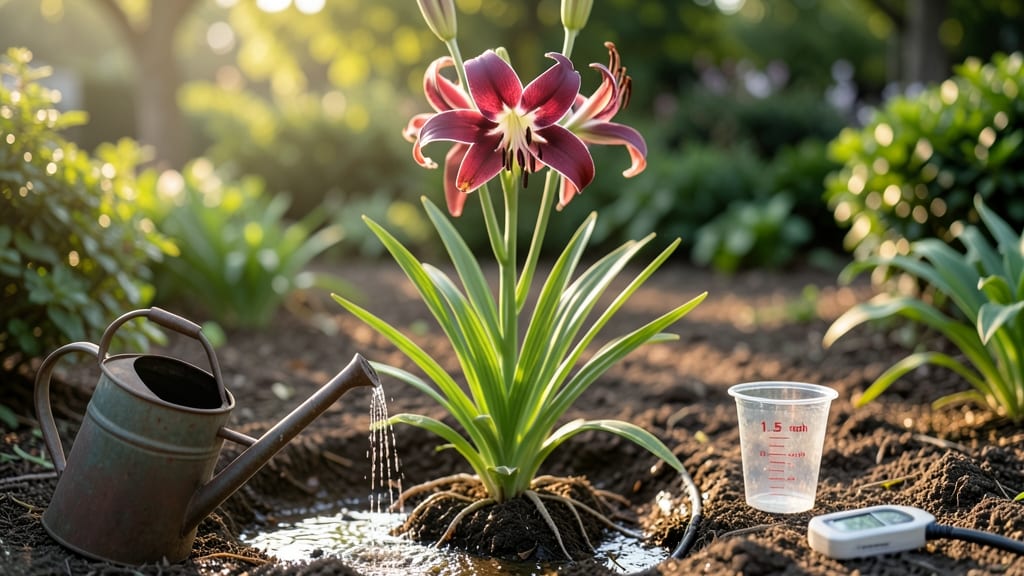
Lilies need about 1-2 inches of water weekly to thrive and produce those stunning blooms 🌸 — but getting it right can feel like walking a tightrope between soggy roots and thirsty leaves.
You’ve probably seen your lilies droop after a heatwave or wilt despite your best efforts, and that’s often a watering puzzle. Too much, and you risk rot; too little, and the flowers never open.
The key? Understanding how soil, climate, and even the type of lily you’re growing change the equation.
In this guide, I’ll break down the 1-2 inches weekly rule, when to adjust for rain or drought, and how to spot the subtle signs your lilies are thirsty or drowning. No more guessing—just vibrant blooms and happy plants.
Whether you’re growing tall garden lilies or delicate water varieties, these tips will keep them flourishing from spring through summer. Let’s dive in!
Lily watering basics: the 1-2 inches weekly rule explained
If you've ever wondered how much water do lilies need to thrive, the answer is simpler than you might think. Most lily varieties—like the stunning Asiatic lilies or Oriental lilies—do best with a consistent 1-2 inches of water per week.
This rule works because lilies strike a balance: they need enough moisture to support their tall stems and lush blooms, but too much can drown their delicate roots.
The 1-2 inches weekly guideline accounts for natural rainfall and evaporation, giving you a flexible target. For example, if your area gets 1 inch of rain one week, you might only need to add ½ inch with your hose or watering can.
In hotter months, you'll likely need the full 2 inches to prevent wilting. The key is keeping the soil evenly moist but never soggy.
Why does this rule work? Lilies store nutrients in their bulbs, which need consistent moisture to grow. Too little water stresses the plant, leading to drooping leaves or bud blast (when buds fail to open). Too much causes root rot or fungal diseases like botrytis blight. The 1-2 inches rule keeps bulbs hydrated without overdoing it.
Here’s how to measure 1-2 inches of water accurately: Place a clear plastic container (like a tuna can) near your lilies. After watering, check how much water it collects.
Aim for 1-2 inches of water in the container—this equals what’s soaking into the soil around your plants. This method works for both in-ground lilies and container-grown varieties.
| Condition | Specification | Notes |
|---|---|---|
| Water Amount | 1-2 inches weekly | Adjust for rainfall; measure with container |
| Soil Depth | 6-8 inches deep | Water reaches bulb zone for best absorption |
| Best Time | Morning (6-9 AM) | Reduces evaporation and fungal risk |
| Seasonal Adjustments | Spring/Summer: 2 inches | Hotter months need more frequent watering |
| Seasonal Adjustments | Fall/Winter: ½ inch | Reduce water as plant enters dormancy |
Your lily’s soil type plays a huge role in watering success. Sandy soil drains quickly, so you’ll need to water more often—sometimes every 5-6 days in summer. Clay soil, on the other hand, holds moisture longer, so you might only need watering every 10-12 days.
To test your soil, dig a 6-inch hole near your lilies. If it feels dry at 2 inches down, it’s time to water.
Watch your lilies for signs of overwatering, like yellowing leaves, mushy stems, or a foul smell around the base. These are red flags for root rot. Underwatering shows up as crispy leaf edges or buds that refuse to open.
If you see either, adjust your watering immediately. For example, if your Tiger lilies start drooping by mid-afternoon, they’re likely thirsty and need a deep watering.
Mulching is a game-changer for lilies. Apply a 2-3 inch layer of organic mulch (like shredded bark or straw) around the base to lock in moisture and regulate soil temperature. This lets you water 10-15% less because the mulch slows evaporation.
Just keep mulch 2 inches away from the stem to prevent rot. In containers, use well-draining potting mix and water when the top 1 inch feels dry.
Don’t forget that seasonal changes affect watering needs. During spring and summer, when lilies are in full bloom, aim for the upper end of the 1-2 inch range. In fall, as temperatures drop, reduce watering to every 10-14 days.
By winter, most lilies enter dormancy and only need minimal water—just enough to keep the soil from drying out completely.
Pro tip: Use a soaker hose or drip irrigation for lilies. These methods deliver water slowly and directly to the roots, reducing waste and fungal risks from overhead watering.
Set up your system in the early morning to give foliage time to dry before evening humidity sets in. This small change can double your lilies’ blooming success!
Adjusting water for different lily types: water lily vs. terrestrial lilies
Not all lilies are created equal when it comes to water! Water lilies thrive in ponds or containers with constant moisture, while terrestrial lilies in garden beds prefer moderate, well-drained soil.
Getting this wrong can mean the difference between lush blooms and sad, wilting stems. Let’s break down their unique needs so you can water like a pro.
For water lilies, the goal is to mimic their natural aquatic habitat. These beauties need their roots submerged in 6-12 inches of water, depending on the variety. Too little water, and they’ll struggle to photosynthesize properly.
Terrestrial lilies, on the other hand, hate soggy feet—their bulbs need well-draining soil to prevent rot. Overwatering here is a common mistake that kills these garden stars.
| Lily Type | Water Depth/Soil | Frequency | Key Tips |
|---|---|---|---|
| Water Lilies | 6-12 inches submerged | Daily top-ups (keep roots wet) | Use pond containers with 10+ gallons for stability |
| Tropical Water Lilies | 4-6 inches submerged | Every 2-3 days (faster evaporation) | Add aquatic fertilizer monthly for vibrant blooms |
| Terrestrial Lilies | Well-draining soil (1-2 inches water weekly) | Deep watering weekly (drought = wilted blooms) | Mulch to retain moisture but avoid soggy soil |
| Daylilies (Hemerocallis) | Moist but not soggy (clay or loam soil ideal) | Every 5-7 days (drought-tolerant but prefers consistency) | Reduce watering in fall/winter (dormant period) |
If you’re growing water lilies in containers, choose a pot with drainage holes to prevent stagnant water, which can lead to root rot. For ponds, ensure the water depth matches the lily’s mature size—some varieties need deeper water to support their heavy blooms.
A simple trick? Place a floating platform in your pond to anchor smaller water lilies and keep them stable.
For terrestrial lilies, focus on soil moisture, not saturation. Stick your finger 2 inches into the soil—if it’s dry, it’s time to water. A drip irrigation system works wonders for consistent moisture without overwatering.
And here’s a pro tip: water in the early morning to reduce fungal risks from damp leaves sitting overnight.
Seasonal shifts matter too! Water lilies may need less frequent top-ups in winter when evaporation slows, while terrestrial lilies might crave extra hydration during summer heatwaves. Always adjust based on your local climate—humid regions need less water than dry, windy areas.
Remember, the right watering routine turns lilies into showstoppers. Whether you’re floating them in a pond or planting them in garden beds, these adjustments will keep your lilies blooming boldly all season 🌸💧.