
Watering
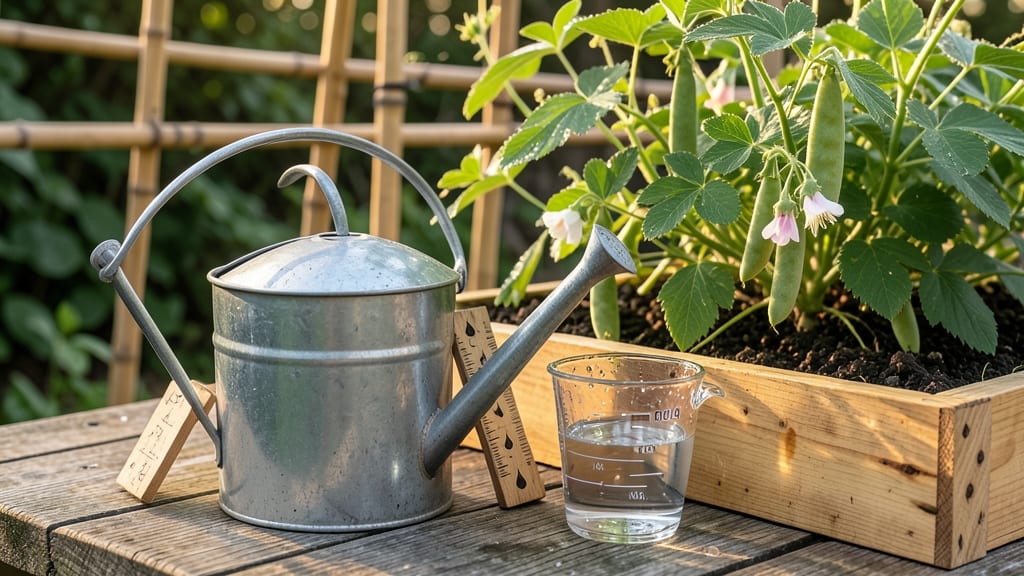
Peas need about 1 to 1.5 inches of water per week to grow strong and produce sweet pods, but getting it right can mean the difference between a bumper crop and a sad, wilted mess.
You’ve probably planted your 🌱 peas in early spring, only to watch them struggle when the weather turns dry or the soil stays too damp. Too little water, and they’ll bolt before you get a single pod.
Too much, and you’ll end up with root rot or powdery mildew creeping in.
Here’s the science-backed breakdown: how often to water, how to tell when your soil is just right, and how to adjust for heatwaves or rainy spells without wasting a drop.
By the end, you’ll know exactly when to reach for the hose—or skip it entirely—and how to keep your peas thriving from seed to harvest.
Pea watering needs by growth stage: exact weekly schedule for healthy plants
Peas thrive with consistent moisture, but their watering needs change dramatically from seed to harvest. Too little water causes stunted growth, while too much leads to root rot and fungal diseases. Understanding these stages ensures your peas grow vigorous vines and plump pods.
Pea plants prefer deep, infrequent watering over shallow daily doses. Aim for 1-1.5 inches of water weekly, delivered at the soil level rather than overhead. This method encourages strong root development and prevents blossom drop—a common issue when plants experience moisture stress.
Here’s how to adjust your watering routine as your peas progress through their lifecycle, from germination to harvest:
| Growth Stage | Watering Frequency | Amount per Session | Soil Moisture Goal | Key Tips |
|---|---|---|---|---|
| Germination (Weeks 1-2) | Daily (light misting) | ¼ inch (6mm) | Keep soil damp | Use a spray bottle; avoid soaking |
| Seedling (Weeks 3-4) | Every 2-3 days | ½ inch (12mm) | Top 1-2 inches moist | Water at base; avoid wetting leaves |
| Vine Development (Weeks 5-8) | Every 3-4 days | 1 inch (25mm) | Deep moisture (6 inches) | Use drip irrigation for consistency |
| Flowering (Weeks 6-10) | Every 4-5 days | 1.25 inches (32mm) | Consistent moisture | Water early morning to reduce disease risk |
| Pod Formation (Weeks 8-12) | Every 5-7 days | 1.5 inches (38mm) | Even moisture (no drought) | Mulch to retain soil moisture |
During the germination stage, peas need gentle moisture to break through the soil. Overwatering here can cause seeds to rot, while underwatering leads to poor sprouting. Once seedlings emerge, increase frequency but reduce intensity—damp soil is ideal, not soggy.
As vines develop (weeks 5-8), deep watering becomes critical. Peas have shallow root systems and rely on consistent moisture to support rapid growth. Use a moisture meter or stick your finger 2 inches into the soil; if it’s dry, it’s time to water.
When flowers appear (weeks 6-10), maintain steady hydration to prevent blossom drop. Stress from uneven watering causes flowers to fall before pollination. Aim for 1.25 inches weekly, delivered in the early morning to minimize evaporation and fungal risks.
In pod formation (weeks 8-12), reduce frequency slightly but increase volume. Peas need 1.5 inches per week to develop sweet, plump pods. Let the top inch of soil dry slightly between waterings to encourage deeper root growth and prevent powdery mildew.
Watch for signs of overwatering, like yellowing leaves or mushy stems, and underwatering, such as wilting or crispy leaf edges. Adjust your schedule based on your climate—hotter regions may need daily watering in peak summer, while cooler areas can stretch intervals to 5-7 days.
Pro tip: Mulch with straw or grass clippings to lock in moisture and regulate soil temperature. This reduces your watering workload by up to 30% while keeping roots cool and hydrated.
How to adjust watering for peas based on soil type and weather conditions
Your pea plants thrive best with consistent moisture, but the "right amount" changes depending on whether your garden sits in sandy soil or clay-heavy ground. Sandy soil drains too quickly, while clay holds water like a sponge—both extremes stress peas if you don’t adjust your routine.
Let’s break down how to tweak your watering for these conditions, plus how to handle droughts or downpours without drowning your crop.
Container-grown peas also need special attention. Since pots dry out 3x faster than in-ground soil, you’ll need to water them more frequently—sometimes daily in hot weather. Meanwhile, in-ground peas can go 5-7 days between deep waterings if the soil stays moist.
The key is checking soil moisture 1 inch below the surface with your finger before reaching for the hose.
Adjusting Water for Peas: Pros & Cons
Sandy Soil
- ✅ Pros: Drains excess water fast, reducing root rot risk.
- ✅ Pros: Warms up quicker in spring, speeding germination.
- ⚠️ Cons: Dries out too quickly—water daily in heat.
- ⚠️ Cons: Nutrients wash away; mulch heavily.
Clay Soil
- ✅ Pros: Retains moisture longer, cutting watering frequency.
- ✅ Pros: Holds nutrients better for steady growth.
- ⚠️ Cons: Can waterlog roots—water only when top 1 inch is dry.
- ⚠️ Cons: Compacts easily; amend with compost.
Containers
- ✅ Pros: Easy to monitor soil moisture daily.
- ✅ Pros: Prevents soil-borne diseases common in gardens.
- ⚠️ Cons: Dries out faster than ground—check morning/evening.
- ⚠️ Cons: Needs drainage holes or roots rot.
During drought conditions, peas show stress fast—leaves curl, and pods shrivel. Increase watering to every 2-3 days and use mulch to lock in moisture. If rain is forecast, skip watering entirely to avoid blossom end rot (a common issue when soil stays soggy).
For container peas, move pots to a shadier spot during heatwaves to slow evaporation.
Rainy seasons? Pause watering if your soil feels damp more than 1 inch deep. Overwatering in clay soil leads to root rot, while sandy soil may need a light drink even after rain to prevent wilting.
Always water at the base of plants (not overhead) to keep foliage dry and reduce fungal risks like powdery mildew.
One trick I swear by: stick a chopstick into the soil near your peas. If it comes out clean, water deeply. If it’s damp, wait. This simple check beats guessing—and saves you from over- or under-watering.
Adjust your routine weekly based on what you see, and your peas will reward you with sweet, plump pods all season long.