
Watering
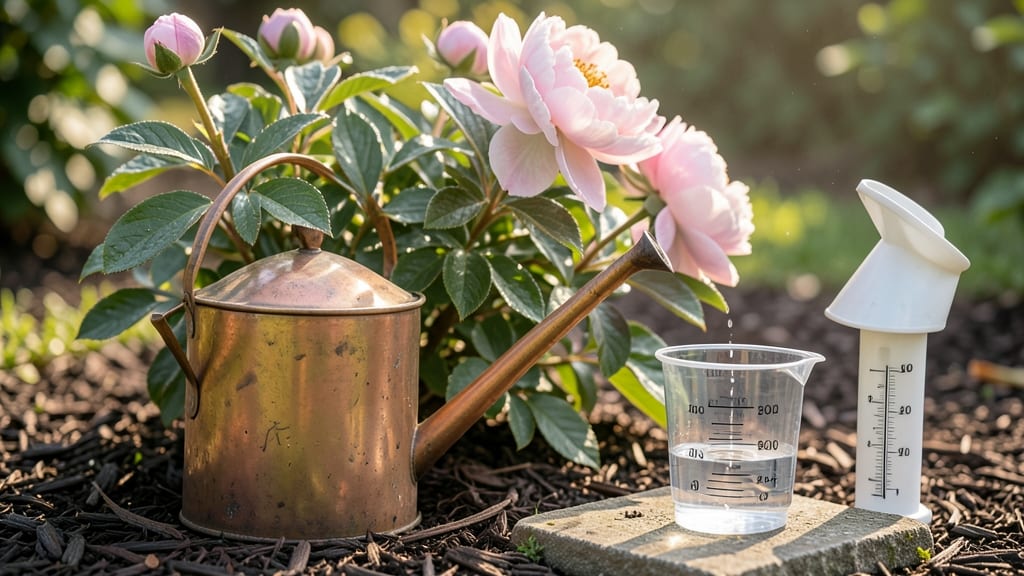
Peonies need about 1 inch of water per week to thrive, but the real secret lies in how you deliver it—deep, infrequent soaks that encourage strong roots instead of surface moisture that invites rot.
Struggling to keep your 🌸 blooming year after year? The secret isn’t just in the sunlight—it’s in understanding their watering needs, which can make or break those lush, fragrant flowers.
Too little water and your peonies wilt; too much and you risk root rot. In USDA Zone 6a, where many gardeners grow peonies, summer heat demands extra attention, while winter dormancy means almost no water at all.
Below, I’ll break down the exact watering schedule by season, how to tell if you’re over- or under-watering, and the one mulching trick that cuts watering by half while keeping blooms vibrant.
Peony watering requirements by season: expert watering schedule
Peonies 🌸 are stunning perennials, but their watering needs change dramatically with the seasons. Unlike many flowers, they despise soggy soil but also struggle in drought conditions.
The key is consistent moisture without overdoing it—especially during their critical growth phases. Understanding these seasonal shifts will help you maintain vibrant blooms year after year.
Peonies thrive with 1 inch of water per week during active growth, but this changes as temperatures rise or fall. In spring, focus on deep watering to encourage root development, while summer demands more frequent hydration to combat evaporation.
Fall and winter require minimal watering since peonies enter dormancy. Let’s break down exactly how much water your peonies need each season.
Spring is all about revitalizing growth after winter dormancy. Your peonies will need 1-1.5 gallons of water per plant weekly to establish strong roots before blooming. I recommend watering at the base of the plant in the morning to prevent fungal diseases from overnight moisture.
If your region experiences unusually dry springs, increase frequency to every 5 days but never let the soil dry out completely.
Summer brings intense heat and evaporation, so peonies demand more frequent watering—every 5-7 days with 1.5-2 gallons per plant. The key here is deep watering to encourage deep root growth.
I’ve found that mulching with 2-3 inches of organic matter (like shredded bark) helps retain moisture and keeps roots cool. Avoid overhead watering, which can lead to powdery mildew on those delicate blooms.
As temperatures drop in fall, peonies prepare for dormancy. Reduce watering to bi-weekly with just 0.5-1 gallon per plant. This helps harden off the roots for winter. I’ve noticed that overwatering in fall can lead to weak stems and fewer blooms next spring.
If your area experiences early frosts, taper off completely once leaves yellow and die back naturally.
Winter is the lowest-maintenance season for peonies. Unless you’re in a drought-prone region, you can water monthly with just 0.25 gallon per plant. The goal is to keep the soil slightly moist but not soggy.
I’ve seen peonies survive years without supplemental water in winter if they’re well-established. Just ensure the crown remains above soil level to prevent rot during thaw cycles.
Extreme weather demands adjustments. During heatwaves, increase summer watering to every 3-4 days and consider shade cloth to reduce stress. In prolonged rains, reduce watering to prevent root rot—peonies hate soggy soil.
I once had a peony die from overwatering in a clay pot during a wet spring; now I always check soil moisture before watering.
Pro tip: Use a moisture meter or the finger test to check soil depth. Stick your finger 2-3 inches deep—if it feels dry, it’s time to water.
Peonies are forgiving but consistency is critical. With this seasonal schedule, your peonies will reward you with bold, long-lasting blooms for decades.
Signs of overwatering vs underwatering peonies: how to fix common mistakes
Peonies are forgiving plants, but they send clear signals when their water needs aren’t met. Overwatering and underwatering both cause stress, but the symptoms look different. I’ve seen peony leaves turn yellow from too much water and stems wilt from too little—both can kill your plant if ignored.
The key is learning to read these signs and adjusting your watering routine before damage sets in.
Start by checking the soil moisture 1-2 inches below the surface. Stick your finger in—if it feels soggy, you’re overwatering. If it’s bone-dry, your peonies need hydration. Peonies prefer consistent moisture but hate soggy roots, which can lead to fungal diseases like root rot.
The goal is balanced watering that keeps the soil damp, not drenched.
How Much Water Do Peonies Need?
- Lush, vibrant foliage
- Healthy root development
- Strong blooms year after year
- Reduced risk of disease
- Yellowing leaves (overwatering)
- Wilting stems (underwatering)
- Mold or fungus growth
- Stunted or no blooms
- 1 inch per week (spring/summer)
- Deep watering (1-2 times/week)
- Morning watering (reduces evaporation)
- Adjust for rain (skip if >1 inch)
- Soggy soil (overwatering)
- Cracked soil (underwatering)
- Mushy stems (fungus risk)
- Drooping buds (stress signal)
If your peonies show signs of overwatering, like yellow leaves with green veins or a foul smell from the soil, reduce watering immediately. Let the top 2-3 inches of soil dry out completely before watering again.
For underwatered peonies, you’ll see crispy leaf edges or stems that collapse by midday. In this case, give them a deep soak—water until it runs out the drainage holes if potted, or seeps 6 inches deep in the ground.
Mulching helps regulate moisture. Apply a 2-3 inch layer of organic mulch (like straw or shredded leaves) around the base of your peonies, but keep it 6 inches away from the crown to prevent rot.
This mimics their natural habitat, where roots stay cool and moisture evaporates slowly. In extreme heat, you might need to water every 3-4 days, but always check the soil first.
One of my biggest mistakes was watering peonies at night, which led to fungal issues. Always water in the early morning so leaves dry quickly. If you notice black spots on leaves or a white powdery substance, that’s a sign of fungus from excess moisture.
Prune affected leaves immediately and space out future waterings. Healthy peonies should have deep green leaves and sturdy stems—any deviation is your cue to adjust.
Remember, peonies are drought-tolerant once established, but they still need consistent care during their first 2-3 years in the ground. If you’re unsure, err on the side of underwatering—you can always add more water later.
The goal is to keep them happy, not soggy, so they reward you with those iconic blooms every spring.