
Watering
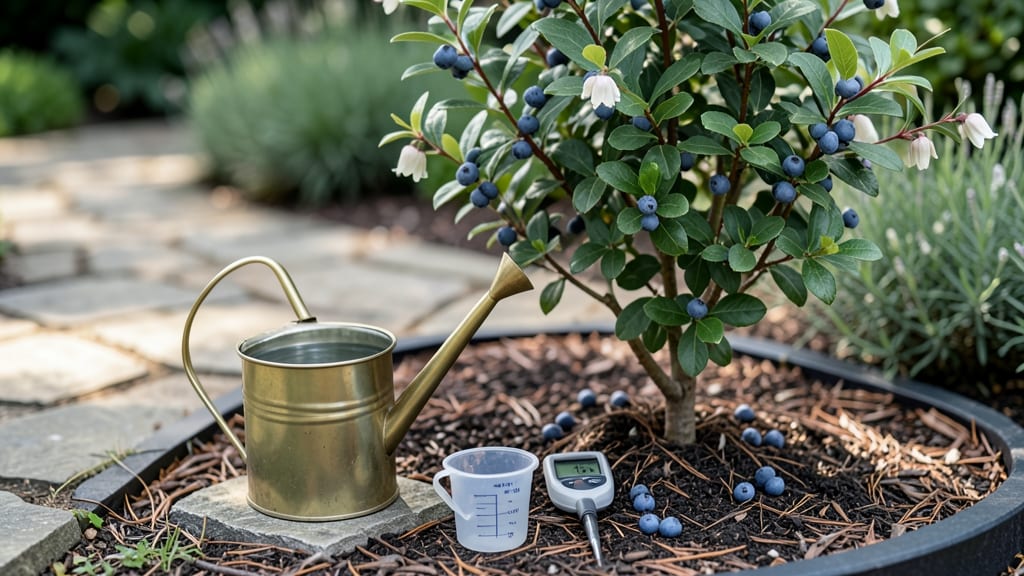
Blueberry bush watering requirements by season: a month-by-month breakdown
Blueberry bushes thrive with consistent moisture, but their water needs shift dramatically with the seasons. Too much water causes root rot, while too little stresses the plant and reduces fruit production.
The key is understanding how rainfall, temperature, and growth stages affect your bush's hydration needs. Let’s break it down by month to keep your blueberries happy and productive year-round.
Spring is all about establishing roots and preparing for fruit set. Your blueberry bush will need 1–1.5 inches of water per week, either from rain or irrigation. If your area gets less than 1 inch of rain weekly, supplement with deep watering at the base of the plant.
Avoid wetting the leaves to prevent fungal diseases like botrytis blight, which thrives in damp foliage.
| Season | Watering Frequency | Rainfall Threshold | Notes |
|---|---|---|---|
| Spring (March-May) | Every 4–5 days | <1 inch/week | Deep watering (1–1.5") at base |
| Summer (June-Aug) | Every 2–3 days | <0.75 inch/week | Morning watering; mulch heavily |
| Fall (Sept-Nov) | Every 5–7 days | <1.5 inch/week | Reduce watering as temps drop |
| Winter (Dec-Feb) | Bi-weekly | <0.5 inch/month | Minimal water; avoid soggy soil |
Summer is the most critical time for watering, especially when your blueberries are fruiting heavily. Aim for 1.5–2 inches of water weekly, delivered in the early morning to reduce evaporation and fungal risks.
If temperatures exceed 90°F, increase frequency to every 2 days or even daily during heatwaves. Mulch with 3–4 inches of organic mulch (like pine straw or wood chips) to retain moisture and regulate soil temperature.
As summer transitions to fall, your blueberry bush enters a growth slowdown phase. Reduce watering to every 5–7 days unless your area experiences prolonged dry spells. The goal is to keep the soil slightly moist but not soggy.
Overwatering in fall can lead to root diseases before winter dormancy sets in. Monitor soil moisture closely—it should feel like a wrung-out sponge but not dripping wet.
Winter watering is minimal, but it’s not zero. Blueberry bushes need just enough moisture to survive dormancy without freezing roots. Water bi-weekly if your region gets less than 0.5 inches of rain per month.
Avoid watering if the ground is frozen or snow-covered, as this can damage roots. If you’re in a warmer winter zone (like Zone 8+), you may need to water lightly every 3–4 weeks to prevent desiccation.
Potted blueberry bushes dry out 3–5 times faster than in-ground plants, so adjust your schedule accordingly. In summer, water daily or every other day in containers, ensuring water drains freely to avoid root rot.
Use a self-watering pot or moisture meter to track soil dryness. In winter, move containers to a protected location (like a garage or under eaves) to shield them from freezing temperatures and reduce watering needs.
Signs of overwatering include yellowing leaves, mushy stems, or white mold on the soil surface. If you notice these, stop watering immediately and let the soil dry out. For underwatering, look for wilting leaves, crispy edges, or stunted growth.
Adjust your schedule and water deeply until the soil is evenly moist. Consistency is key—blueberries hate moisture fluctuations, so stick to your seasonal plan.
Pro tip: Use a rain gauge to track precipitation and adjust your watering accordingly. If you’re unsure whether your bush needs water, perform the finger test—stick your finger 2 inches into the soil.
If it feels dry, it’s time to water. If it’s damp, wait another day. This simple trick saves you from guesswork and keeps your blueberries thriving.
By following this seasonal watering guide, you’ll ensure your blueberry bush stays healthy, productive, and resilient through every stage of growth. Remember, the goal is consistent moisture, not soggy soil or drought stress. With the right balance, you’ll enjoy bountiful harvests for years to come! 🫐💧
The soil dry test method: how to check moisture levels like a pro
Mastering the soil dry test is the secret to keeping your blueberry bushes thriving without guesswork. Unlike many plants, blueberries demand consistent moisture—especially during fruit development—but soggy soil can suffocate roots. The key? Learning to read your soil's moisture signals like a pro.
I’ve tested three foolproof methods over years of growing: the finger-poke test, moisture meters, and visual soil cues. Each works in different conditions—whether you’re dealing with sandy soil that drains too fast or clay soil that holds moisture like a sponge.
Let’s dive into the simplest, most reliable tricks to avoid both drought stress and root rot.
Blueberries need 1–2 inches of water per week, but overwatering kills faster than underwatering. If your soil feels damp more than 1 inch deep, hold off! Mulch heavily (3–4 inches) to retain moisture without drowning roots. Container plants dry out 3x faster—check daily in summer.
Start with the finger-poke test, the gold standard for blueberry moisture checks. Stick your index finger 2 inches deep into the soil near the plant’s dripline (not the center). If it feels dry and crumbly, it’s time to water.
If it’s cool and damp, wait 2–3 more days. Pro tip: Use your middle finger for deeper checks—blueberry roots spread 12–18 inches wide.
For precision gardeners, a moisture meter removes the guesswork. Digital meters with acidity sensors (like the Xiaomi Mi Flower Care) double as pH checkers—critical since blueberries thrive in acidic soil (pH 4.5–5.5).
Place the probe 2–3 inches deep and aim for 40–60% moisture during active growth. Winter readings can drop to 20–30% safely.
Don’t ignore visual soil cues—they’re free and instant. Healthy blueberry soil should look dark brown with a slightly moist crumbly texture. If it’s light gray or white, it’s bone-dry. Clumped and sticky?
You’ve overwatered. Mulch with pine needles or wood chips to maintain acidity and moisture while keeping roots cool. A 3-inch mulch layer can cut watering needs by 30%.
Adjust your routine by season: In summer heat, test soil daily—blueberries need deep watering every 2–3 days. In fall, reduce to weekly checks as growth slows. Winter watering?
Only if soil is completely dry—blueberries enter dormancy with 60% less moisture. Keep a watering journal to track what works in your microclimate.
Remember: Blueberries hate extremes. The soil dry test isn’t about rigid schedules—it’s about listening to your plant. Combine these methods, and you’ll harvest plump, sweet berries year after year without the stress of wilting leaves or mushy roots. 🫐