
Plants
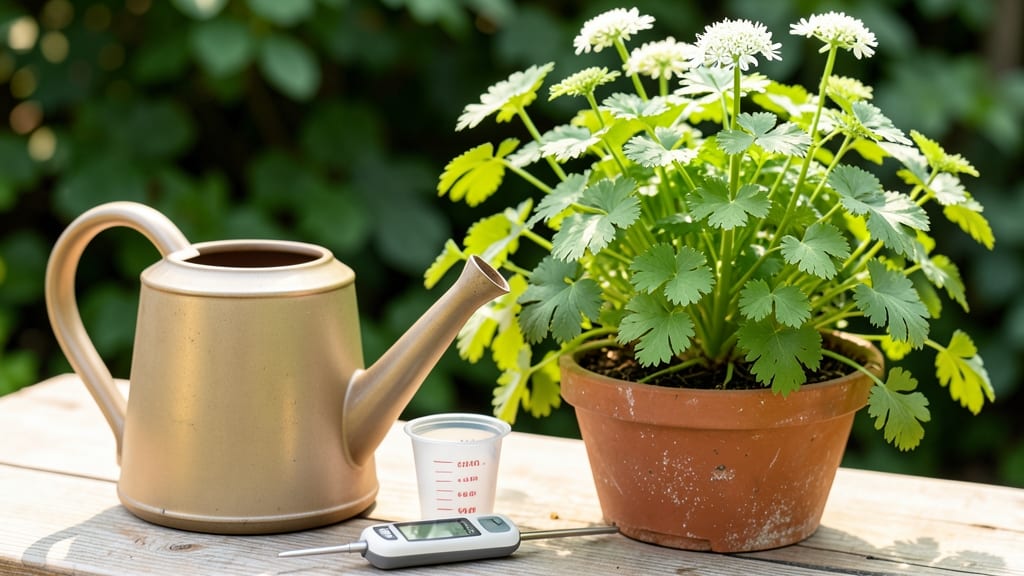
A cilantro plant needs about 1 inch of water per week to thrive—whether from rainfall or your watering can—making it one of the most forgiving herbs for home gardeners.
Struggling to keep your cilantro thriving? Overwatering or underwatering can turn your fresh herb garden into a sad, wilted mess—yet cilantro’s water needs are simpler than you think. The secret lies in a precise, drought-tolerant approach that balances moisture without drowning roots.
This 1-inch rule isn’t just a guess—it’s based on how cilantro’s shallow roots absorb water efficiently. Too much, and you risk mold or root rot; too little, and the leaves turn bitter.
I’ll show you how to check soil moisture, adjust for heat waves, and even use mulch to lock in that perfect balance.
By the end, you’ll know exactly when to water, how to spot stress signs early, and why a little less water often means a lot more flavor. Let’s get your cilantro growing like a pro!
The 1-Inch per week water rule: exact cilantro irrigation guidelines
Mastering cilantro’s water needs unlocks the secret to vibrant, flavorful leaves without the guesswork. Unlike drought-hardy herbs like rosemary, cilantro thrives on consistent moisture—but only up to a point.
The 1-inch-per-week rule ensures roots stay hydrated while preventing rot, a common killer of cilantro plants. This method works year-round, with simple adjustments for summer heatwaves or rainy seasons.
Why this rule? Cilantro’s shallow roots absorb water quickly, but they also dry out fast in well-draining soil. The 1-inch guideline mimics natural rainfall patterns, giving roots exactly what they need without over-saturating. Think of it as a precision watering system—no more soggy soil or crispy stems.
For container-grown cilantro, this translates to about 1 cup of water per pot every 2-3 days, depending on pot size.
Here’s the science: Cilantro’s ideal soil moisture sits between 40-60% saturation. Too dry, and leaves turn crispy; too wet, and roots suffocate. The 1-inch rule keeps soil in this sweet spot, balancing evaporation and absorption.
In hot climates, you’ll water more frequently, while cooler months may require less. Always check soil moisture before watering—stick your finger 1 inch deep. If it’s dry, water; if damp, wait.
| Condition | Specification | Notes |
|---|---|---|
| Water Amount | 1 inch per week | Includes rainfall; adjust if >0.5" falls |
| Soil Moisture | 40-60% saturation | Test with finger—1 inch deep |
| Summer Adjustment | Daily 0.5-inch top-ups | Morning watering only |
| Rainy Season | Skip watering if >1" | Ensure pots drain freely |
| Container Size | 5-7" pots: 1 cup | Larger pots: 1.5 cups |
Measuring 1 inch of water might sound tricky, but it’s simpler than you think. Use a rain gauge (or a straight-sided container) to track rainfall—if you get 0.5 inches or more, skip your scheduled watering.
For manual watering, a slow drip from a watering can (about 5 minutes per pot) delivers consistent moisture. Pro tip: Water at soil level, not the leaves, to prevent fungal diseases like cilantro blight. A drip irrigation system is ideal for in-ground plants, delivering water directly to roots.
Seasonal tweaks are key. During summer heat (USDA Zones 7-10), cilantro’s soil dries out faster—split the 1-inch rule into two 0.5-inch sessions in the morning. In cool, wet climates (Zones 3-6), reduce to 0.75 inches weekly and ensure pots have drainage holes.
Mulch with straw or shredded leaves to lock in moisture and regulate temperature. This extra layer can cut watering needs by 30%, especially in containers where soil dries out quicker.
Watch for wilting leaves—a classic sign of thirst—but don’t overreact. Cilantro wilts faster than other herbs, but it often recovers within 2 hours of watering. If leaves turn yellow and mushy, you’ve overwatered. The fix?
Let soil dry slightly between waterings and avoid soggy pots. For container cilantro, empty saucers after watering to prevent root rot. In-ground plants need 1-2 inches of mulch to protect roots from temperature swings and evaporation.
Rainfall plays a huge role. If your area gets consistent 1-inch showers, cilantro may not need extra water for 5-7 days. Use a weather app to track rainfall and adjust your schedule. For example, if you get 0.75 inches one day, only add 0.25 inches manually.
This precision keeps cilantro thriving without waste. In drought-prone areas, consider self-watering containers or hydrogel crystals mixed into soil to extend moisture between waterings.
One common mistake? Watering cilantro only when leaves look wilted. By then, roots may already be stressed. Instead, stick to the schedule—consistency is critical. Use a watering calendar with reminders to avoid skipping days.
If you’re traveling, group cilantro with low-water plants like thyme or oregano, or set up a drip system on a timer. For indoor cilantro, place pots on pebble trays filled with water to increase humidity around roots.
Cilantro’s love for morning watering can’t be overstated. Watering in the early hours (before 10 AM) reduces evaporation and fungal risks. Avoid evening watering—wet leaves overnight invite powdery mildew.
If you must water in the evening, use a fine mist setting on your hose or watering can to minimize leaf contact. For container cilantro, water until you see moisture dripping from drainage holes—this ensures roots get a thorough drink without over-saturation.
Remember, cilantro’s water needs change as it grows. Seedlings need daily misting to keep soil moist, while mature plants can handle the 1-inch rule. Always harvest leaves after watering—this prevents wilting during cooking.
With this method, your cilantro will stay lush, flavorful, and ready to harvest for months. The key? Patience and precision—cilantro rewards consistent care with bold, fresh leaves every time.
Signs of overwatering vs. underwatering cilantro (and how to fix it)
Cilantro plants are surprisingly resilient, but they send clear signals when their water balance is off. Yellowing leaves or mushy stems often mean you’re overdoing it, while crispy edges or wilting usually point to thirst. The key is learning to read these visual cues before they become irreversible damage.
First, let’s tackle the most common mistake: overwatering cilantro. This happens when roots sit in soggy soil, cutting off oxygen and inviting fungal diseases.
If your cilantro’s leaves turn yellow but stay firm, or if you spot mold at the soil line, you’re likely drowning your plants. Container cilantro is especially vulnerable because pots dry out slower than in-ground soil.
How Much Water Does a Cilantro Plant Need?
- Water deeply 1-2 times weekly
- Check soil moisture 1 inch down
- Use well-draining soil with perlite
- Water in morning sunlight
- Water daily (unless extreme heat)
- Let soil stay waterlogged for days
- Use heavy clay soil without amendments
- Water at night (promotes rot)
On the flip side, underwatered cilantro shows up as crispy leaf edges, a dull gray-green color, or leaves that fold inward. If your plant looks limp but not mushy, it’s begging for hydration.
In-ground cilantro might recover faster than container-grown plants, but both need consistent moisture—especially during hot summer months.
To fix overwatered cilantro, stop watering immediately and let the soil dry out. If mold appears, remove affected leaves and repot with fresh, well-draining soil.
For underwatered plants, give them a thorough soak until water runs out the drainage holes, then mulch to retain moisture. Morning watering is ideal—it gives leaves time to dry before evening.
Adjust your routine based on your cilantro’s home. Container cilantro needs watering every 1-2 days in summer, while in-ground plants may only need it every 2-3 days. Always check soil moisture before watering—cilantro’s drought-tolerant nature means it can handle brief dry spells better than soggy conditions.
Remember, cilantro’s water needs shift with seasons. In spring and fall, you might water every 3-4 days, but summer heat could mean daily checks. Pay attention to these seasonal cues, and your cilantro will reward you with vibrant, flavorful leaves all season long. 🌿