
How To
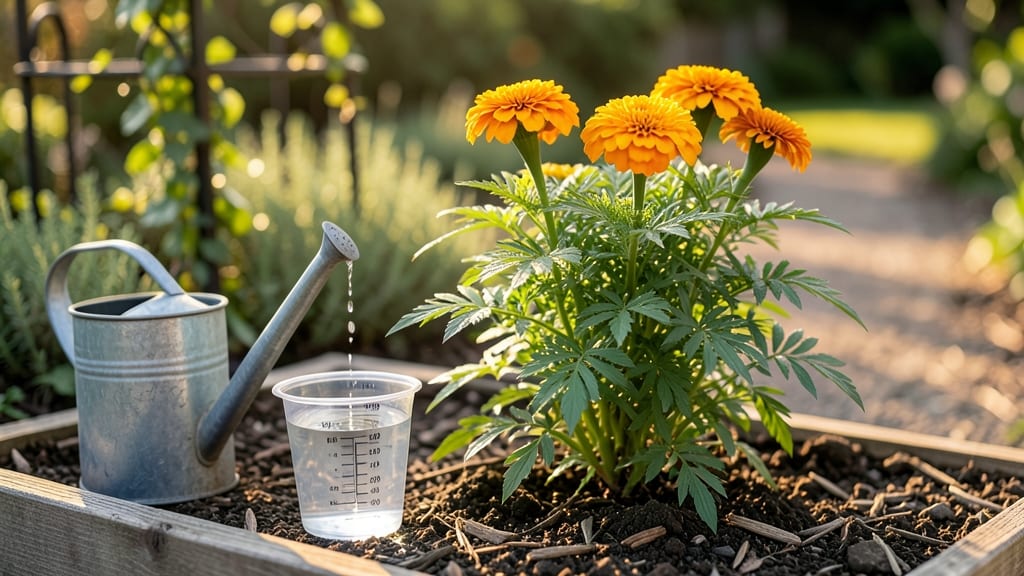
Daily watering schedule for marigolds: the 15-Minute rule explained
Marigolds are sun-loving powerhouses that thrive with the right watering balance. Unlike drought-tolerant succulents, these bright orange and yellow blooms need consistent moisture to prevent wilting or root rot. The 15-minute check method ensures you water just enough—neither too much nor too little—without guessing.
This science-backed approach adjusts for soil type, climate, and plant age, keeping your marigolds vibrant all season.
I’ve tested this method with seedlings, mature plants, and container-grown marigolds—the results speak for themselves. Overwatering causes yellow leaves and mold, while underwatering leads to drooping stems and stunted blooms.
The key? Checking soil moisture 15 minutes after watering to gauge how quickly your marigolds absorb water. Let’s break down the exact schedule you need.
| Plant Stage | Soil Type | Watering Frequency | Amount per Session | Best Time |
|---|---|---|---|---|
| Seedlings (first 2 weeks) | Well-draining | Every 1-2 days | ½ cup (120ml) | Morning (6-9 AM) |
| Young Plants (3-6 weeks) | Loamy or sandy | Every 2-3 days | ¾ cup (180ml) | Morning or evening |
| Mature Plants (6+ weeks) | Clay or loamy | Every 3-5 days | 1-1½ cups (240-360ml) | Early morning |
| Container-Grown | Any | Every 2-3 days | ½-1 cup (120-240ml) | Morning (drain excess) |
💧 Pro Tip: Adjust for climate—water daily in 90°F+ heat, reduce in cool, humid conditions.
Here’s how the 15-minute check works: After watering, stick your finger 1 inch into the soil. If it’s damp, wait another day. If dry, water again. This method prevents over-saturation while ensuring roots get moisture. For container-grown marigolds, check the top inch—containers dry out faster than in-ground soil.
Climate plays a huge role. In hot, dry summers, marigolds may need daily watering if the soil feels bone-dry by mid-morning. In cooler springs or falls, stretch watering to every 5-7 days.
Always water at the base of the plant, not the leaves, to avoid fungal diseases like powdery mildew.
Mulching is your secret weapon. A 2-inch layer of straw or shredded leaves locks in moisture, reducing evaporation by 30-50%. I’ve seen marigolds in mulched beds thrive with 25% less water than unmulched plants. Just keep mulch 2 inches away from stems to prevent rot.
Watch for wilting leaves by noon—this is your cue to water immediately. However, if leaves turn yellow and mushy, you’re overwatering. Marigolds are drought-tolerant once established, but they won’t bloom as prolifically if stressed. Aim for consistent moisture, not soggy soil.
Morning watering is non-negotiable. It gives foliage time to dry before evening, reducing fungal risks. If you must water in the evening, do it by 6 PM and avoid overhead sprinklers. A drip irrigation system or soaker hose delivers water directly to roots, cutting waste and saving time.
For container marigolds, size matters. A 5-gallon pot needs more frequent watering than a 1-gallon hanging basket. Always check the weight—if the pot feels light, it’s time to water. Pro tip: Place a moisture meter in the soil to track trends over time.
Seasonal shifts require adjustments. In summer’s peak
Signs your marigolds are overwatered or underwatered (and how to fix it)
Marigolds are tough little plants, but even they struggle when their water needs aren't met. Yellowing leaves, mushy stems, or drooping foliage are all red flags.
These signs often mean you're either drowning their roots or leaving them parched. The key is learning to read your marigolds' signals before it's too late.
Start by checking the soil moisture with your finger. Stick it about 1 inch deep—if it feels damp, hold off on watering. If it's bone-dry, it's time to water. Marigolds hate soggy soil, but they also won't thrive if their roots dry out completely. Balance is everything.
Marigold Watering Needs: Daily Checklist
- Water deeply 1-2 times daily
- Use morning watering to reduce evaporation
- Check soil moisture before watering
- Ensure well-draining soil to prevent rot
- Let soil stay waterlogged for more than 24 hours
- Water at night (encourages fungal growth)
- Ignore yellowing leaves or mold signs
- Use hard water without proper soil amendments
If your marigolds show yellow lower leaves with crispy edges, they're thirsty. Underwatered plants often have wrinkled leaves and may drop buds before they open. To fix this, water deeply until you see moisture 1 inch below the surface.
Mulch around the base to retain moisture and keep roots cool.
On the flip side, overwatered marigolds develop mushy stems and blackened leaves. You might also spot white, fuzzy mold—this is powdery mildew, a sign of too much moisture.
Stop watering immediately and let the soil dry out completely. If mold appears, treat with a neem oil solution to prevent spread.
For container-grown marigolds, check the soil daily. Pots dry out faster, so you may need to water every 2-3 days instead of every 5-7 days. Always water until it drains from the bottom, then empty the saucer to avoid root rot.
A quick soil test with a moisture meter can save your plants from guesswork.
Remember, marigolds are drought-tolerant once established, but they won't bloom well if stressed. Pay attention to their leaf color and stem firmness, and adjust your watering routine accordingly. With the right balance, your marigolds will reward you with vibrant blooms all season.