
Plants
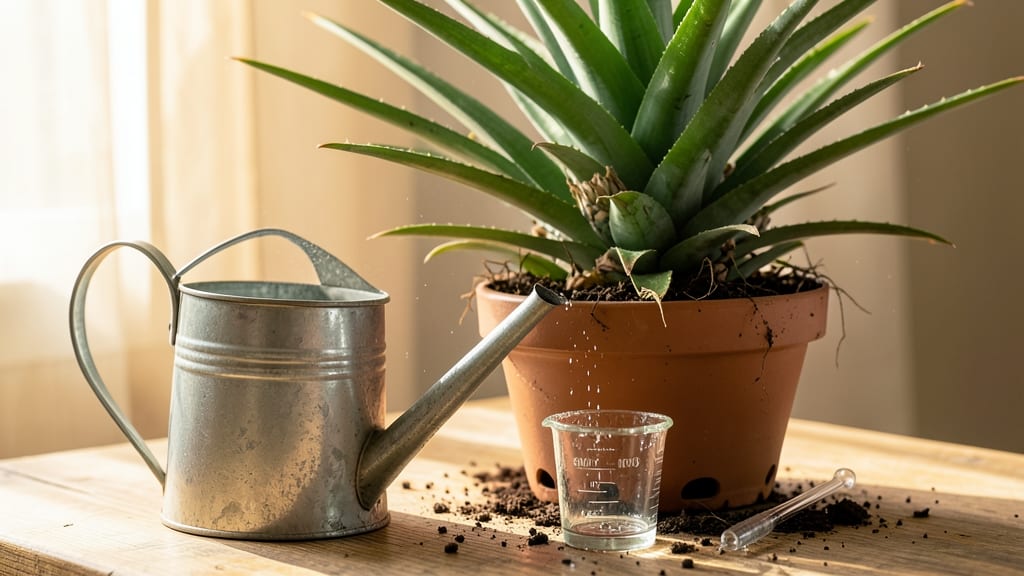
A pineapple plant needs about 1 inch of water per week—but getting that right is the difference between a thriving tropical plant and a sad, mushy mess.
Picture this: You pour water into your pineapple’s pot, and within days, the leaves turn yellow and limp. Or worse, the roots rot from sitting in soggy soil. Overwatering kills pineapple plants just as fast as underwatering—so finding the perfect balance is critical for sweet, healthy fruit.
Here’s the science-backed approach: Check soil moisture before watering, adjust for humidity and heat, and use the right methods (drip irrigation works wonders for container plants). Whether you’re growing in a pot or in the ground, these tips will keep your pineapple hydrated without drowning its roots.
Discover how often to water, what signs to watch for, and how to fix common mistakes—so you can grow a pineapple that’s as happy as it is productive.
Pineapple plant watering schedule: how often and how much?
Pineapple plants thrive on consistency—too much or too little water throws off their delicate balance. Unlike tropical rainforest natives, they despise soggy roots but also need steady moisture to produce sweet fruit. The key? A targeted watering schedule that adapts to your plant's growth stage, pot size, and local climate. Let's break it down by season, container type, and development phase so you never guess again.
First, understand pineapples' natural habitat: They grow in well-draining volcanic soil where water flows quickly through roots. Recreate this by using sandy loam mixes with perlite or orchid bark.
In containers, drainage holes are non-negotiable—root rot from poor drainage kills faster than drought stress. Always check your pot's bottom before watering.
| Growth Stage | Pot Size (inches) | Water Frequency | Water Amount | Climate Adjustments |
|---|---|---|---|---|
| Seedling (0-6 months) | 4-6" | Every 2-3 days | ½ cup per watering | Keep soil lightly moist; reduce by 30% in humidity |
| Vegetative (6-18 months) | 8-12" | Every 3-5 days | 1-1.5 cups per watering | Increase by 20% in dry climates; decrease in rain |
| Fruiting (18+ months) | 12+ inches | Every 5-7 days | 2-3 cups per watering | Maintain consistent moisture; avoid sudden changes |
| All Stages (Ground-Planted) | N/A | Every 7-10 days | 1-2 gallons per plant | Water deeply at soil level; mulch to retain moisture |
For container-grown pineapples, smaller pots dry out faster—especially in full sun. A 6-inch pot may need watering every 2-3 days in summer, while a 12-inch pot can stretch to 5-7 days.
Always water until it drains from the bottom. In-ground plants require deeper, less frequent watering—aim for 1-2 gallons per plant every 7-10 days, focusing on the root zone rather than surface moisture.
Seasonal shifts demand flexibility. During spring and summer (growth peak), water 20-30% more than the schedule above. In fall and winter, reduce by 40-50% unless your plant is fruiting. A simple soil moisture test solves guesswork: Stick your finger 1-2 inches deep—if it's dry, water; if damp, wait.
Overwatering shows as yellow leaves or mushy stems, while underwatering causes crispy leaf tips.
Humidity plays a surprising role. In dry climates (like Arizona or California), increase watering by 20-30% and use a pebble tray to boost humidity. In humid areas (like Florida or Hawaii), reduce frequency by 30%—pineapples hate soggy conditions.
Always water in the morning to prevent fungal growth from evening moisture lingering on leaves.
Mature pineapples in fruit production need extra care. During this phase, maintain even moisture—sudden droughts can cause fruit to drop. Increase water to 2-3 cups per watering for large pots, and monitor for browning leaf tips, a sign of stress.
If your plant is flowering but not fruiting, reduce water slightly—this can encourage fruit set in some varieties.
Pro tip: Use a moisture meter for precision. Aim to keep soil at 60-70% moisture during active growth. For organic gardeners, compost tea every 4-6 weeks improves water retention without chemicals. Always pair watering with a balanced fertilizer (like 5-10-10) during growing seasons to support root development.
Remember: Pineapples are semi-arid plants at heart. They’d rather you underwater slightly than overdo it—root rot is silent but deadly. Adjust your schedule every 2-3 weeks based on your plant’s response. With this routine, you’ll go from guessing to growing juicy, sweet pineapples in just one season.
Signs your pineapple plant is overwatered or underwatered (with fixes)
Pineapple plants thrive on consistent moisture but despise soggy roots—just like they hate drying out completely. The key lies in recognizing visual and tactile clues before damage becomes irreversible. Yellowing leaves, mushy stems, or crispy edges are red flags that demand immediate action.
Overwatering causes root rot, where roots turn black and mushy, while underwatering leads to wilting leaves and dry, papery edges. Both conditions stress your plant, stunting growth or even killing it if ignored. Let’s decode these symptoms and revive your pineapple plant.
How Much Water Does a Pineapple Plant Need?
| Factor | Overwatering | Underwatering |
|---|---|---|
| Soil Moisture | Always damp | Completely dry |
| Leaf Color | Yellowing | Brown crispy edges |
| Stem Texture | Mushy | Hard and dry |
| Root Health | Black and rotten | Shriveled |
| Watering Fix | Repot in dry soil | Water deeply |
If your pineapple’s leaves turn yellow and droopy, it’s likely overwatered. Gently squeeze the soil—if it feels soggy, your plant is drowning. Root rot spreads fast, so act quickly by repotting in fresh, well-draining soil and trimming any blackened roots with sterilized scissors.
For underwatered pineapples, the leaves curl and develop crispy brown edges. Stick your finger 1-2 inches deep into the soil—if it’s bone dry, it’s time to water. Use a slow, deep soak until water drains from the pot’s bottom, ensuring roots rehydrate properly.
To prevent future issues, use a moisture meter or the finger test before watering. Pineapples prefer soil that’s damp but not waterlogged. Adjust your schedule based on temperature and humidity—hotter days mean more frequent watering, while cooler weather slows evaporation.
Reviving an overwatered pineapple requires repotting and pruning. Remove the plant, trim rotten roots, and place it in a clean pot with fresh soil**. Underwatered plants need immediate hydration followed by a consistent watering routine—aim for every 2-3 days in pots and every 4-5 days in ground soil.
With the right care, your pineapple will bounce back—producing sweet fruit in 18-24 months. Keep an eye on those leaves, and you’ll master the balance between hydration and drainage in no time! 🌱