
How To
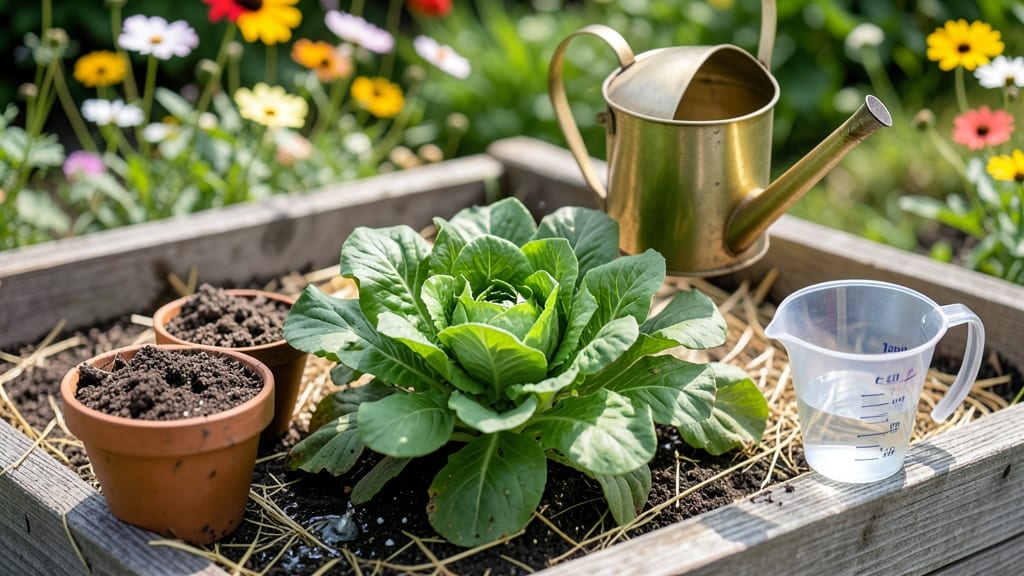
Lettuce needs about 1 inch of water per week to stay crisp and healthy, but getting that right is the difference between a fresh salad and a sad, wilted mess.
Struggling to grow lettuce that stays vibrant? You’re not alone—most gardeners overthink watering, either drowning their plants or leaving them thirsty. The key isn’t just how much you water but when and how you do it.
Too little water? Your 🥬 will turn crispy at the edges. Too much? You’ll end up with mushy stems and yellow leaves. Below, I’ll break down the 1-inch dry soil rule, seasonal adjustments, and how to tell if your lettuce is thirsty or waterlogged.
Whether you’re growing in containers or in-ground, these tips will help you keep your lettuce perky, leafy, and ready for harvest in no time.
The 1-Inch dry soil rule: how often to water lettuce for optimal growth
Growing crisp, homegrown lettuce starts with understanding its water needs. Unlike drought-tolerant plants, lettuce thrives on consistent moisture—but overwatering can drown those tender roots. The 1-inch dry soil rule is my foolproof method for keeping your lettuce happy without guessing.
This science-backed approach ensures your greens stay crisp and vibrant while avoiding common watering pitfalls.
Here’s how it works: Stick your finger 1 inch deep into the soil. If it feels dry at that depth, it’s time to water. For lettuce, this usually means watering every 1-2 days in warm weather, but adjust based on your climate and container size.
The key is maintaining moisture without letting the soil become soggy—a balance that keeps your plants thriving.
| Condition | Spring (Moderate) | Summer (Hot) | Fall (Cool) | Winter (Mild) |
|---|---|---|---|---|
| Watering Frequency | Every 1-2 days | Daily (morning) | Every 2-3 days | Bi-weekly |
| Soil Check Depth | 1 inch | 1 inch (check twice daily in heatwaves) | 1 inch | 1 inch (reduce in frost) |
| Container Adjustment | Water daily if small pots | Water twice daily | Every other day | Reduce to weekly |
| Signs of Overwatering | Yellowing leaves, mushy stems | Root rot, wilting despite wet soil | Slow growth, limp leaves | Fungal spots |
| Signs of Underwatering | Crispy edges, wilting | Drooping leaves, stunted growth | Brittle stems | Dry soil cracks |
Let’s talk about seasonal adjustments. In summer heat, lettuce can dry out faster—sometimes requiring daily watering in the morning to prevent wilting. I’ve found that drip irrigation works best here, delivering water directly to the roots while keeping leaves dry.
For spring and fall, every other day is usually sufficient, but always check that 1-inch rule.
Container-grown lettuce needs more frequent watering than in-ground plants because pots dry out faster. If you’re growing lettuce in 5-gallon containers, I recommend watering every 1-2 days, even in cooler months.
Use your finger to test moisture at the soil-root interface—this is where most underwatering issues start. Pro tip: Place a moisture meter in your pot to track trends over time.
Now, let’s address the biggest watering mistakes I see with lettuce. Overwatering causes yellow leaves and root rot, while underwatering leads to crispy edges and bolting (when lettuce flowers prematurely). Both problems are avoidable with the 1-inch rule.
For example, if your lettuce leaves are yellowing but the soil feels moist, you’re likely overwatering. On the flip side, wilting despite wet soil suggests poor drainage—time to add compost or switch to a well-draining mix.
For urban gardeners with limited space, self-watering containers are a game-changer. These systems maintain consistent moisture without the guesswork. Fill the reservoir every few days, and the wick or capillary action does the rest.
I’ve used them with butterhead and romaine varieties, and they’ve cut my watering time in half while keeping the greens crisp and ready to harvest.
One more tip: Mulch your lettuce beds with straw or shredded leaves to retain moisture and reduce evaporation. This simple step can extend the time between waterings by 20-30%. Plus, it keeps weeds at bay—another win for low-main
Watering mistakes that ruin lettuce: overwatering vs. drought stress symptoms
Lettuce thrives on consistent moisture, but too much or too little water can turn your crisp greens into a mushy or wilted disappointment. The key is recognizing the subtle differences between overwatering and drought stress.
Both cause yellowing leaves, but the solutions couldn't be more different—one requires drying out the soil, while the other needs more hydration.
Yellow leaves often signal trouble, but they don’t always mean the same problem. Overwatered lettuce develops yellowing from the bottom up and feels soggy or mushy when touched.
In contrast, underwatered lettuce yellows from the edges inward and feels crispy or brittle. Understanding these differences is the first step to saving your crop.
Overwatering Lettuce
- ✅ Yellowing from bottom
- ✅ Mushy stems
- ✅ Root rot (black, foul-smelling roots)
- ✅ Slow growth
Fix:
✔️ Stop watering for 2-3 days
✔️ Improve drainage with perlite or sand
✔️ Repot if in containers
Underwatering Lettuce
- ✅ Yellowing from edges
- ✅ Crispy, brittle leaves
- ✅ Wilted appearance
- ✅ Dry soil (1+ inches down)
Fix:
✔️ Water deeply (1 inch of water)
✔️ Water in morning (avoid evening)
✔️ Mulch to retain moisture
In extreme heat, lettuce may need daily watering to prevent wilting, but avoid letting water pool around the roots. Use your finger to check soil moisture—if the top 1 inch feels dry, it’s time to water.
For humid climates, reduce frequency to every 2-3 days to prevent fungal diseases like downy mildew.
If your lettuce shows signs of root rot, act fast. Remove the plant, trim away blackened roots, and repot in fresh, well-draining soil. For underwatering, focus on deep, infrequent watering rather than light, frequent sprinkles. This encourages roots to grow deeper, making your lettuce more resilient.
Pro tip: Use a moisture meter or the finger test to avoid guesswork. Aim for soil that’s consistently moist but not soggy. Adjust your watering schedule based on weather forecasts—heavy rain means less supplemental water, while dry spells require more frequent hydration.
Remember, crisp lettuce starts with the right watering balance. Pay attention to your plants’ signals, and you’ll enjoy a steady harvest of fresh, vibrant greens all season long. 🥬