
How To
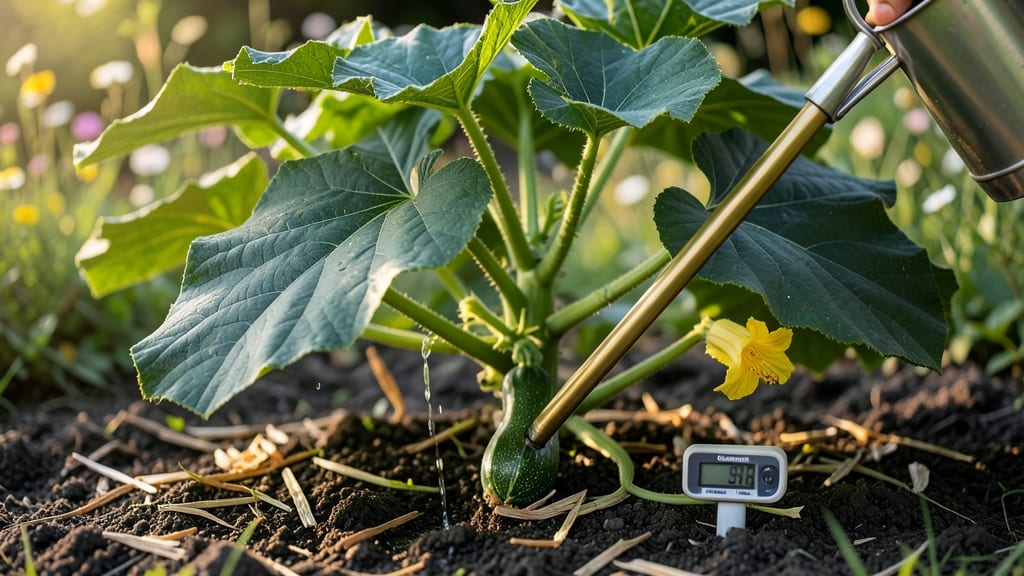
Zucchini needs deep, consistent watering about 1-2 inches per week to thrive without root rot or stunted growth.
Struggling to keep your 🎃 plants lush and productive without drowning them or risking root rot? The secret lies in a precise watering schedule tailored to their thirsty yet delicate nature.
Most gardeners either overwater, leading to soggy soil and fungal diseases, or underwater, causing blossom end rot and bitter fruit. The key is checking soil moisture before watering—stick your finger an inch down; if it’s dry, it’s time to hydrate.
Below, I’ll break down the exact weekly schedule for in-ground and container zucchini, seasonal adjustments, and the telltale signs you’re getting it wrong. No more guesswork—just healthy, prolific plants.
Zucchini watering requirements by growth stage: soil moisture guide
Zucchini plants are notorious for their rapid growth and water-hungry nature, but understanding their stage-specific needs prevents common problems like blossom end rot or root rot. As a gardener who's battled both, I've learned that soil moisture consistency is the key to thriving zucchini.
The watering needs shift dramatically from seedling to fruiting stage, requiring precise adjustments.
New seedlings need gentle hydration to avoid damping off, while mature plants with heavy fruit loads demand deep, frequent watering. The challenge? Overwatering can suffocate roots, while underwatering stresses plants and leads to bitter fruit.
Let's break down the exact watering requirements at each growth stage, including soil moisture tests and visual cues to guide you.
| Growth Stage | Water Frequency | Soil Moisture Depth | Visual Cues | Key Tips |
|---|---|---|---|---|
| Seedling (0-2 weeks) | Every 2-3 days | Top 1-2 inches | Wilted leaves by afternoon | Use misting or drip irrigation |
| Vegetative (3-6 weeks) | Every 3-4 days | Top 3-4 inches | Dry soil 1 inch down | Water at soil level, not leaves |
| Flowering (7-10 weeks) | Every 2-3 days | Top 4-6 inches | Wilting flowers | Increase water during fruit set |
| Fruiting (10+ weeks) | Daily or every 2 days | Top 6-8 inches | Shriveled fruit | Use mulch to retain moisture |
| Harvesting Stage | Every 2-3 days | Top 4-6 inches | Yellowing leaves | Reduce water as growth slows |
For seedlings, focus on keeping the top 1-2 inches of soil consistently moist. I use a spray bottle for delicate seedlings to prevent disturbing the soil.
The key is to water lightly but frequently—overwatering at this stage causes damping off, a fungal disease that kills young plants overnight. Look for wilting leaves by mid-afternoon as your cue to water.
Once your zucchini enters the vegetative stage (3-6 weeks), increase watering to every 3-4 days and let the soil dry slightly between waterings. Test soil moisture by sticking your finger 1 inch deep—if it feels dry, it's time to water.
During this phase, I aim to keep the top 3-4 inches of soil moist but never soggy. Morning watering is critical to prevent fungal diseases like powdery mildew.
When your plants begin flowering (7-10 weeks), their water needs spike dramatically. This is when you'll see yellow blooms and hear bees buzzing. Water every 2-3 days, ensuring the top 4-6 inches of soil stays moist. Wilting flowers are a clear sign your plants need water immediately.
I've found that drip irrigation works best here, delivering water directly to the roots while keeping foliage dry.
The fruiting stage (10+ weeks) demands the most attention. With heavy zucchini production, plants need water daily or every 2 days during hot weather.
Aim to saturate the soil 6-8 inches deep—this encourages deep root growth. Shriveled fruit or blossom end rot (black, sunken spots) are red flags for inconsistent watering. My secret weapon? A 2-inch layer of mulch around plants to retain moisture and regulate soil temperature.
As your zucchini enters the harvesting stage, you can slightly reduce watering frequency to every 2-3 days. Watch for yellowing leaves at the base—this signals the plant is slowing growth and focusing on fruit production.
During this time, I water deeply but less frequently, allowing the top 4-6 inches of soil to dry slightly between sessions. This helps prevent overripe fruit and encourages continuous production.
Pro tip: Always water at the soil level, not the leaves. Wet foliage invites fungal diseases, while deep watering strengthens roots. I use a soil moisture meter ($15 from garden centers) to track moisture levels—it's a game-changer for precision.
For container-grown zucchini, expect to water daily in summer since pots dry out faster than in-ground soil.
Remember, zucchini
Weekly watering schedule for zucchini: preventing root rot and blossom end rot
Zucchini plants are notorious for their thirsty roots and sensitivity to water fluctuations. Too little water causes blossom end rot, while too much triggers root rot—both of which can devastate your harvest.
The key is a consistent moisture schedule that adapts to your climate, soil type, and planting method.
I’ve grown zucchini in containers, raised beds, and in-ground plots, and the biggest lesson I’ve learned? Zucchini plants need deep, infrequent watering rather than light, frequent sprinkles. This encourages strong root development while preventing fungal diseases. Let’s break down the perfect weekly schedule to keep your zucchini thriving.
- 1
- 2
- 3
- 4
- 5
For container-grown zucchini, I recommend checking soil moisture daily during summer. Stick your finger 2 inches deep—if it’s dry, it’s time to water. In-ground plants are more forgiving but still need weekly deep watering to prevent stress.
Always water at the base of the plant, not the leaves, to avoid fungal diseases like powdery mildew.
One trick I swear by? Mulching with straw or shredded leaves after watering. This locks in moisture, reduces evaporation, and keeps roots cool—especially critical during hot afternoons. I’ve seen zucchini yields double just by adding a 2-inch mulch layer!
Adjust your schedule based on rainfall and humidity. In rainy climates, cut back watering to every 7-10 days, while dry, windy areas may need daily watering in summer. Always prioritize morning watering to allow foliage to dry before nightfall, reducing disease risk.
With this schedule, your zucchini will stay hydrated, healthy, and productive all season long—no more sad, wilted plants or rotten fruit. Happy gardening! 🌱💧