
Plants
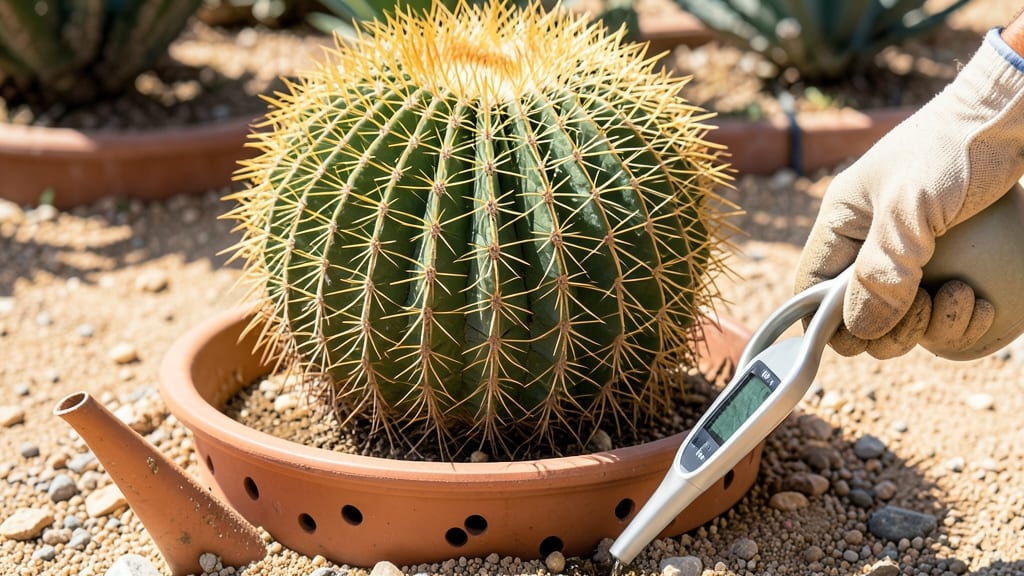
Watering cactus plants only every 2-4 weeks keeps them thriving in General (Desert/Arid Regions) without the risk of rot.
Most gardeners overdo it—drowning their 🌵 in well-intentioned but deadly watering sessions. The result? Mushy stems, wasted time, and plants that never reach their full potential. But here’s the secret: a simple 4-week rule takes the guesswork out of care, ensuring your cactus stays happy with minimal effort.
This approach works for 9b zone growers and beyond, adapting to pot size, species, and even seasonal shifts. Whether you’re nurturing a tiny Echeveria or a towering Saguaro, the key is understanding when the soil is truly dry—not just slightly damp.
Below, I’ll break down the exact intervals, how to spot overwatering (or underwatering), and pro tips to stretch those watering gaps even longer. Your cactus will thank you—with vibrant growth and zero drama.
The 4-Week watering rule: how often to water cactus plants by type
Cactus plants thrive on infrequent, deep watering—not the light sprinkles most gardeners default to. The 4-week rule is my go-to method for keeping cacti healthy without drowning their roots. This science-backed approach accounts for their natural desert adaptations, where rainfall comes in rare, heavy bursts rather than daily showers.
But here’s the catch: not all cacti follow the same schedule. Desert cacti like the Saguaro or Barrel Cactus can go months without water, while jungle cacti like the Christmas Cactus prefer slightly more frequent moisture. The key is understanding your cactus’s native environment and adjusting accordingly.
Below, you’ll find a visual comparison table of 10+ popular cactus species, ranked by their water needs.
I’ve included adjustments for pot size, seasonal changes, and humidity levels—because a 6-inch pot dries out faster than a 12-inch container, and a humid jungle cactus won’t tolerate the same drought as a desert dweller.
Pro tip: Always water in the morning to allow excess moisture to evaporate during the day. Nighttime watering traps humidity against the plant, inviting rot and fungal diseases.