
Plants
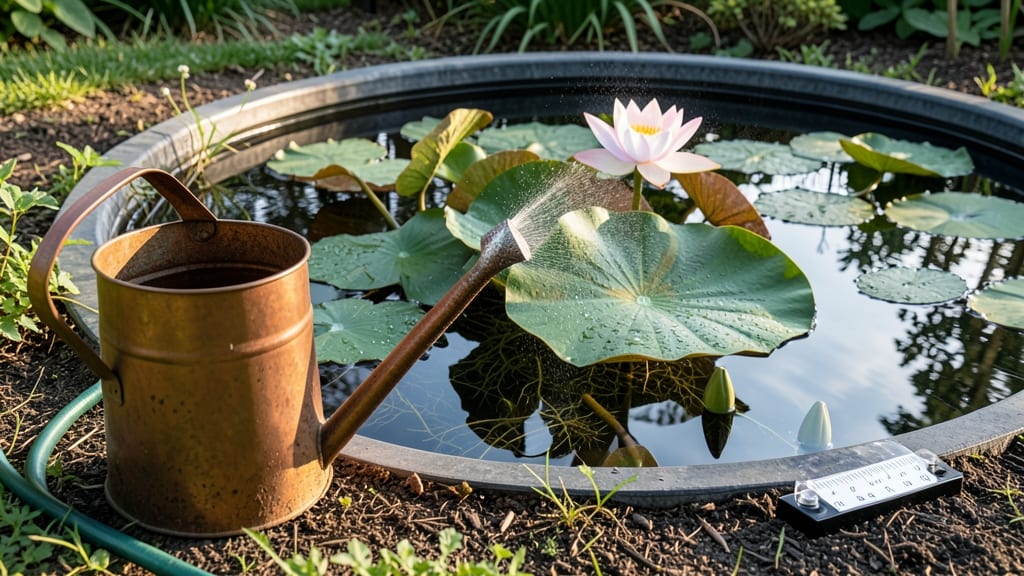
Watering lily plants the right way—keeping them blooming and thriving—depends on a schedule that balances frequency and timing, especially when choosing between morning and evening routines.
Struggling to keep your 🌸 Water Lily plants blooming beautifully? The right watering schedule—especially morning vs. evening—can make all the difference between vibrant flowers and wilting disappointment.
Most gardeners assume daily watering is the key, but seasonal shifts and climate play a bigger role than you might think.
In USDA Zone 6a, where spring planting kicks off in April, your Water Lily’s needs change dramatically from the cool dampness of early summer to the scorching heat of July and August.
Below, I’ll break down the exact watering frequency you need—whether you’re growing them in a pond or a container—plus pro tips to adjust for humidity, rainfall, and even the time of day for the healthiest blooms.
Optimal watering frequency for lily plants based on season and climate
Water lilies (like Nymphaea and Nelumbo varieties) thrive when their watering needs align with seasonal changes and local climate conditions.
Unlike many land plants, these aquatic beauties require a consistent moisture level—not too much, not too little—but getting the balance right depends on factors like temperature, humidity, and soil type.
In my experience, the biggest mistake gardeners make is assuming a one-size-fits-all watering schedule. A lily planted in sandy soil in Arizona will need far less frequent watering than one in clay-heavy soil during a humid Florida summer.
Let’s break down the ideal watering frequency by season, adjusted for your specific growing conditions.
| Season | Climate Zone | Soil Type | Watering Frequency | Key Notes |
|---|---|---|---|---|
| Spring | Temperate (Zones 5-8) | Clay | Every 2-3 days | Increase frequency if rainfall < 1 inch/week |
| Spring | Temperate (Zones 5-8) | Sandy | Daily (light soak) | Drainage is critical; avoid waterlogging |
| Summer | Hot/Dry (Zones 9-11) | Any | Daily (early morning) | Evaporation increases; check water levels twice daily |
| Summer | Humid (Zones 7-8) | Clay | Every 3-4 days | Reduce if rainfall exceeds 2 inches/week |
| Fall | All Zones | Any | Every 5-7 days | Slow growth; monitor for yellowing leaves |
| Winter | Frost-Free (Zones 9-11) | Any | Every 10-14 days | Minimal watering; focus on ice prevention |
| Winter | Cold (Zones 5-8) | Any | Monthly (light top-up) | Dormant plants need no deep watering |
During spring and summer, water lilies enter their peak growth phase. In temperate climates (Zones 5-8), I recommend watering every 2-3 days for clay soils and daily for sandy soils.
The key is maintaining a water depth of 12-18 inches—this ensures the roots stay hydrated without becoming waterlogged.
In hot, dry climates (Zones 9-11), evaporation becomes a major concern. I’ve seen lilies in Arizona ponds lose up to 2 inches of water per day in peak summer.
To combat this, I water daily in the early morning (before 10 AM) to minimize evaporation and reduce fungal risks. Always check water levels twice daily during heatwaves.
Fall marks a transition period where watering needs dramatically decrease. As temperatures drop below 70°F, lilies enter a slower growth phase. I reduce watering to every 5-7 days and watch for signs of overwatering, like yellowing leaves or mushy stems.
In humid climates, this is also when I cut back on fertilizing to avoid nutrient buildup.
Winter care varies by climate. In frost-free zones (9-11), lilies remain active and need minimal watering every 10-14 days. However, in colder regions (Zones 5-8), most lilies go dormant.
Here, I only perform a monthly light top-up to prevent the soil from drying out completely. The goal is to keep the roots just moist enough to survive without encouraging rot.
One of the most common mistakes I see is overwatering. Signs include yellowing leaves, blackened stems, or a foul odor emanating from the water. If you notice these, reduce watering immediately and consider adding barley straw to the pond to naturally filter excess nutrients.
On the flip side, underwatering causes wilting leaves, crispy edges, and buds that fail to open.
For container-grown lilies, the rules shift slightly. Since pots dry out faster, I check water levels daily in summer and adjust based on the
Morning vs. evening watering: which routine maximizes lily plant health?
Water lilies thrive when their roots stay consistently moist, but the time of day you water can dramatically impact their health. Morning watering aligns with their natural growth cycles, while evening watering offers cooler temperatures—but both have trade-offs.
Let’s break down the pros and cons to help you decide what works best for your water lily plants.
Morning watering is widely recommended because it allows excess moisture to evaporate during the day, reducing the risk of fungal diseases like powdery mildew. Water lilies need 6+ hours of sunlight daily, and morning hydration ensures they start the day hydrated without lingering dampness.
Plus, it mimics natural rainfall patterns, which these aquatic plants prefer.
Evening watering, however, can be beneficial in extremely hot climates where water evaporates quickly. The cooler nighttime temperatures help retain moisture longer, but this method carries risks. Stagnant water overnight can promote bacterial growth and attract pests like mosquitoes.
If you choose evening watering, ensure your pond or container has proper airflow and circulation.
Morning vs. Evening Watering for Water Lilies
Morning Watering
- ✅ Reduces fungal risk (evaporation during day)
- ✅ Mimics natural cycles (like rainfall)
- ✅ Encourages strong growth (roots stay hydrated)
Evening Watering
- ✅ Retains moisture longer (cooler temps)
- ✅ Better for hot climates (reduces evaporation)
- ❌ Increases pest risk (stagnant water)
- ❌ Promotes fungal growth (lingering dampness)
For most gardeners, morning watering between 6-9 AM strikes the best balance. If you’re in a region with intense afternoon sun, consider splitting your watering into two sessions: a light morning misting and a deeper evening soak—just ensure the water level doesn’t stagnate.
Always monitor your plants for signs of stress, like yellowing leaves or drooping buds, which can signal over- or under-watering.
Pro tip: If your water lilies are in containers, check the water level daily during peak summer months. Containers dry out faster than ponds, so adjust your routine to maintain 12-18 inches of water depth at all times.
A simple trick is to place a floating marker in your container to track water levels effortlessly.
Ultimately, the best watering time depends on your local climate and setup. Experiment with both methods and observe how your water lilies respond. With the right routine, you’ll enjoy vibrant blooms all season long! 🌸