
Shrubs
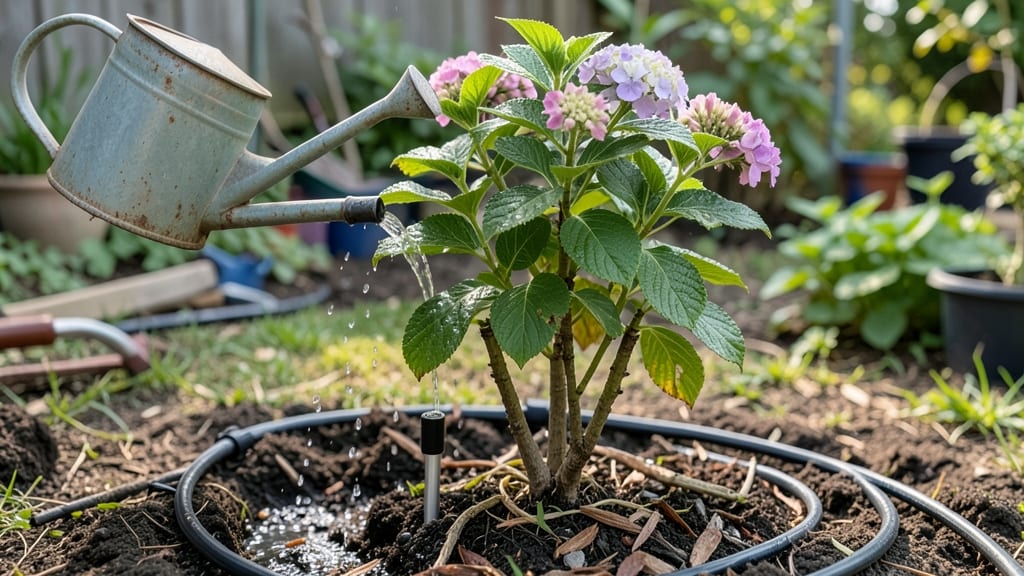
Newly planted shrubs should be watered about once every 1-2 days in their first critical weeks to keep soil moist but not soggy.
Here’s the catch: most gardeners either drown their 🌿 newly planted shrubs with daily drenching or let them wilt by guessing at the soil’s thirst. The 1-2 inch soil check method—testing moisture before watering—is the secret to striking the perfect balance.
Why does this matter? Shrubs planted in Zone 6 during early spring or fall face a high risk of root stress. Too little water stunts growth, while too much suffocates roots.
I’ll show you exactly how to adjust frequency based on soil type, weather, and shrub species—so you never over- or underwater again.
By the end, you’ll know when to water, how much to give, and the tell-tale signs your shrubs are thriving (or in trouble). Let’s get started.
The 1-2 inch soil check method: when and how to water new shrubs
When you plant a new shrub, the first few weeks are critical for root establishment. Watering too much or too little can spell disaster—yet most gardeners rely on guesswork rather than science. The 1-2 inch soil check method eliminates the guesswork by measuring moisture at the root zone.
This simple technique ensures your shrubs get just the right amount of water to thrive without drowning.
Here’s the key insight: New shrubs need daily watering for the first 2 weeks to help roots spread into the surrounding soil.
After that, you can gradually reduce frequency—but only if you’re checking moisture levels correctly. Clay soil holds moisture longer than sandy soil, while hot, dry climates demand more frequent watering. Mastering this method saves time, prevents plant stress, and protects your investment.
Before diving in, gather your tools: a trowel or soil probe, a moisture meter (optional), and a watering can or hose with a gentle spray nozzle.
The goal is to keep the soil consistently moist but never soggy. Let’s break down the exact steps to perfect your watering routine.
How Often Should Newly Planted Shrubs Be Watered?
- Step 1
- Step 2
- Step 3
- Step 4
- Step 5
One of the biggest mistakes I see is watering on a strict schedule without checking soil conditions. For example, if you water every 2 days in summer but it rains heavily, you’re risking root rot from overwatering.
Conversely, skipping watering during a heatwave can cause wilting and leaf scorch. The 1-2 inch soil check method keeps you flexible and responsive to real-time conditions.
Let’s talk about signs of overwatering vs. underwatering, because spotting these early can save your shrubs. Overwatered shrubs often show yellowing leaves, mushy stems, or fungal growth at the base.
On the other hand, underwatered shrubs develop crispy, brown leaf edges, drooping foliage, or soil pulling away from the pot (if potted). Correcting these issues starts with adjusting your watering frequency.
For sandy soil, which drains quickly, you may need to water every 1-2 days even after the initial 2-week period. In contrast, clay soil holds moisture for days, so you might only need to water every 4-5 days once roots are established.
Always dig a small hole near your shrub to test the soil’s natural drainage—if water pools after 30 minutes, your soil is too compacted and needs amending with compost.
Pro tip: Group shrubs by water needs in your garden. Place drought-tolerant varieties like lavender near the edge of your bed where they’ll get less frequent watering, and keep thirsty shrubs like hydrangeas closer to your irrigation source.
This zoning saves time and ensures every plant gets the care it deserves.
Remember, the first 3 months are the most critical for new shrubs. During this time, roots are shallow and vulnerable. By mastering the 1-2 inch soil check method, you’re giving your shrubs the best possible start—one that sets them up for years of healthy growth.
Stick with it, and you’ll see the difference in just a few weeks! 🌱
Watering adjustments for different shrub types and climates
Not all shrubs have the same thirst—drought-tolerant varieties like lavender and rosemary can survive on less water, while hydrangeas and azaleas demand consistent moisture. Understanding these differences is key to preventing stress or root rot in your new plants.
I’ve adjusted my watering routine based on shrub types and seasonal shifts, and here’s how you can too.
In hot, dry climates, even moisture-loving shrubs need less frequent watering once established. For example, my boxwoods thrive on deep watering every 3-4 days during summer, while Russian sage barely needs a drink every 7-10 days.
The trick is monitoring soil moisture with your finger—1-2 inches deep is your target zone.
| Shrub Type | Watering Frequency (Newly Planted) | Established Care | Seasonal Adjustments |
|---|---|---|---|
| Drought-Tolerant (Lavender, Rosemary, Yucca) |
Every 2-3 days (first 2 weeks) | Every 7-10 days (deep soak) | Reduce in winter; skip if rainy |
| Moderate Thirst (Boxwood, Holly, Viburnum) |
Daily (first 2 weeks) | Every 3-4 days (summer) | Increase in heatwaves; reduce in fall |
| Thirsty Varieties (Hydrangeas, Azaleas, Camellias) |
Daily (first 2 weeks) | Every 2-3 days (summer) | Mulch heavily in summer; reduce in winter |
Seasonal changes require major adjustments to your watering schedule. During summer heatwaves, I water my hydrangeas in the early morning to prevent evaporation, while in winter dormancy, I cut back to bi-weekly watering unless we have a dry spell.
Even rainy periods need monitoring—soggy soil can suffocate roots, so I always check for 1-2 inches of dryness before watering again.
For container-grown shrubs, the rules shift dramatically. Potted rosemary may need watering every 1-2 days in summer, while in-ground plants of the same type might go 10 days without water.
The key is container size and drainage holes—small pots dry out faster, so I keep mine on a drip tray to catch excess water.
Pro tip: Group shrubs by their water needs in your garden layout. This makes seasonal adjustments easier—place thirsty hydrangeas near your hose spigot and drought-tolerant lavender in a low-maintenance corner. Over time, you’ll develop an instinct for when each type needs a drink.
Remember, overwatering is just as harmful as underwatering. I’ve lost shrubs to both—always let the soil guide you, not the calendar. Adjust your routine based on leaf color, soil moisture, and weather forecasts, and your new shrubs will thrive for years to come. 🌿☀️💧