
Watering
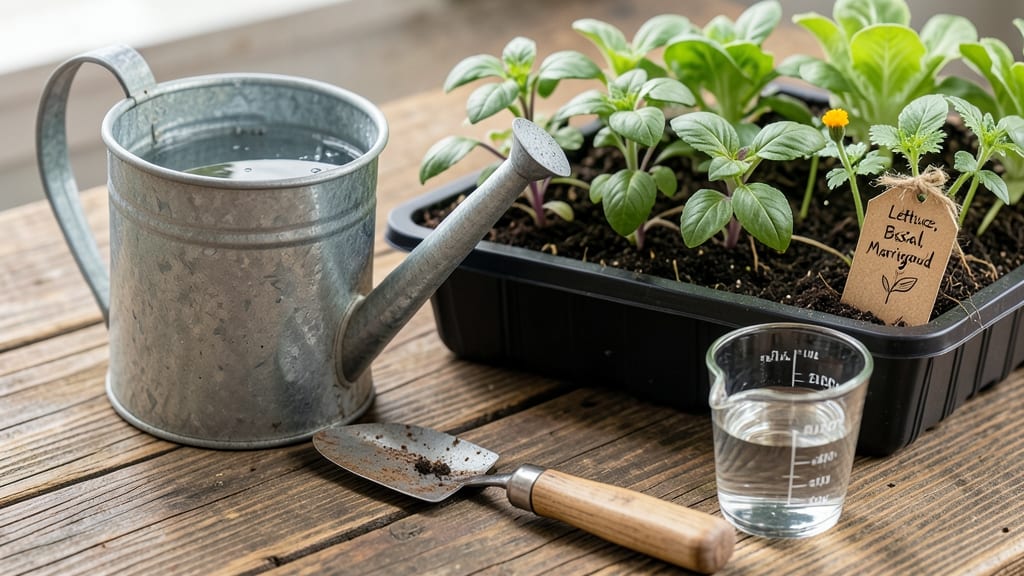
Watering after seeding should happen every 1-2 days — just enough to keep the soil damp, not soggy, so your seeds stay happy and sprout strong.
Here’s the catch: too much water drowns them, too little leaves them high and dry. I’ve watched freshly planted seeds turn into sad, crusty messes when the balance is off, and you can avoid that with the right routine.
This guide breaks down the perfect schedule for different soil types, seed sizes, and even your local climate. Whether you’re dealing with sandy soil that dries fast or clay that holds too much moisture, you’ll learn how to keep things just right.
You’ll also discover smart tools and tricks — like misting or using seed-starting trays — to make watering easier without overdoing it. Let’s get those seeds off to the best possible start!
The ideal watering frequency for different seed types and soil conditions
Watering seeds after planting is an art of balance—too much moisture can drown them, while too little will leave them parched. The ideal watering frequency depends on three key factors: seed size, soil type, and your local climate zone.
Understanding these variables ensures your seeds germinate strong and healthy, not weak or moldy. For example, tiny lettuce seeds need more frequent moisture than large tomato seeds, while sandy soil drains faster than clay soil.
Let’s break it down so you can tailor your watering routine like a pro.
Most gardeners struggle with the timing of watering after seeding because seeds require consistent moisture without becoming waterlogged. A general rule is to keep the soil evenly damp—not soggy, not dry.
For small seeds like herbs or flowers, you’ll want to water daily or every other day, while larger seeds like beans or squash can handle every 2-3 days. However, this changes dramatically based on whether your soil is sandy (dries quickly) or clay (holds moisture longer).
Let’s dive into the specifics so you can adjust your watering schedule with confidence.
| Seed Type | Soil Type | Climate Zone | Watering Frequency | Notes |
|---|---|---|---|---|
| Small seeds (herbs, lettuce, flowers) | Sandy | Hot/dry (Zones 8-10) | Daily (light misting) | Use humidity dome or tray |
| Small seeds (herbs, lettuce, flowers) | Clay | Temperate (Zones 4-7) | Every 2-3 days | Avoid puddles; drain excess |
| Medium seeds (tomatoes, peppers, beans) | Sandy | Hot/dry (Zones 8-10) | Every 2 days (deep water) | Water at soil level, not leaves |
| Medium seeds (tomatoes, peppers, beans) | Clay | Cool/moist (Zones 3-6) | Every 3-4 days | Check top inch of soil |
| Large seeds (squash, corn, sunflowers) | Sandy | Hot/dry (Zones 8-10) | Every 3 days (soak) | Use mulch to retain moisture |
| Large seeds (squash, corn, sunflowers) | Clay | Temperate (Zones 4-7) | Every 4-5 days | Loosen soil to prevent compaction |
If you’re in a hot, dry climate like USDA Zones 8-10, your soil—especially if it’s sandy—will dry out faster. In these conditions, small seeds like basil or marigolds need daily misting to stay moist, while larger seeds like squash can handle every 2-3 days with deeper watering.
The key is to water in the morning so excess moisture evaporates during the day, reducing the risk of fungal diseases. Use a fine mist spray bottle for delicate seeds to avoid displacing them.
For cooler, moister climates in Zones 3-6, your watering schedule can stretch to every 3-4 days for most seeds. Clay soil holds moisture well, so you’ll need to monitor the top inch of soil with your finger—if it’s dry, it’s time
Signs your seeds are getting too much or too little water
Your seeds are silently screaming for help when watering goes wrong. Overwatered seeds develop a crusty surface and may rot before sprouting, while underwatered seeds stay stubbornly dry, refusing to break through the soil. Both scenarios are heartbreaking after all your hard work.
I’ve learned the hard way that visual cues are your best early warning system. A quick daily check of your seed trays can save your entire batch. Let’s decode what your soil and seeds are really telling you about their moisture needs.
🌱
🚨 Warning Signs & Fixes
- Crusty soil surface: Too much water evaporating too fast → Reduce frequency to every 2-3 days
- Mold or fungus: Overwatering creates anaerobic conditions → Stop watering until soil dries 1 inch down
- Wilting seedlings: Soil too dry or water stress → Mist lightly and check soil moisture
- Seeds floating: Waterlogged soil suffocating seeds → Drain excess and replant if needed
💧 Pro Tip: Stick your finger 1 inch into soil—if dry, water; if damp, wait.
Let’s start with the overwatering red flags. If you notice white mold or fuzzy growth on your soil surface, that’s your seeds’ way of saying "we’re drowning!"
This usually happens when trays sit in standing water or get watered too heavily. The fix? Let the top inch of soil dry out completely before watering again.
On the opposite end, underwatered seeds show up as dry, cracked soil that pulls away from the tray edges. The seeds themselves may look shriveled or fail to sprout at all.
In this case, I recommend bottom-watering—placing your tray in a shallow dish of water for 10 minutes to let the soil absorb moisture evenly.
Don’t forget to consider your local climate. Humid environments need less frequent watering, while dry air can evaporate moisture faster. I always adjust my schedule based on whether my seeds are in a sunny window or under grow lights, as both can dry out soil differently.
Finally, pay attention to seedling behavior. Healthy seedlings stand upright with vibrant green leaves, while stressed ones look limp or yellowed. If you catch these signs early, you can often revive your seedlings with the right moisture adjustment.
☀️