
How To
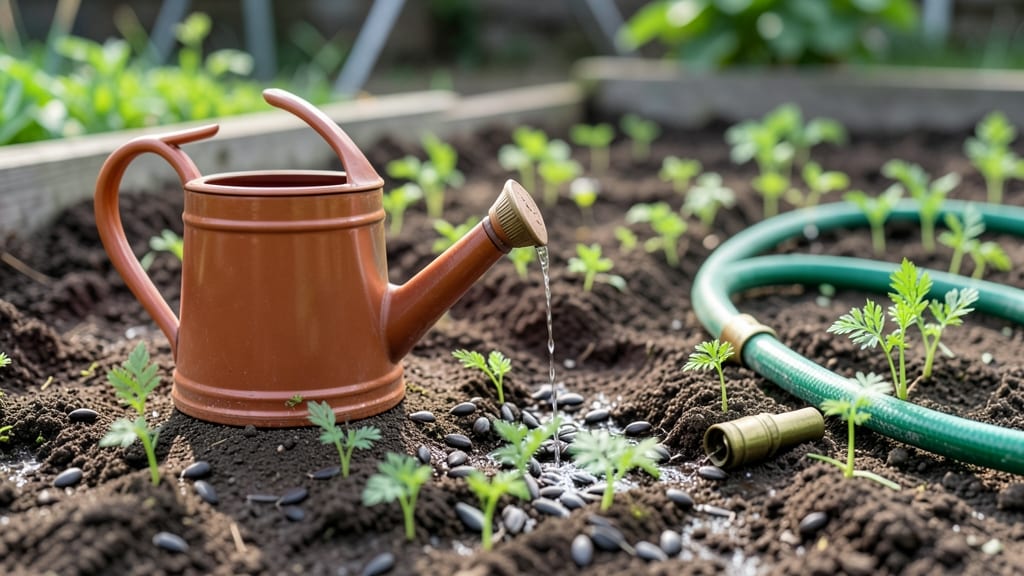
Watering carrot seeds too often or too little can mean the difference between a thriving crop and a wasted packet 🥕—and the key to success is keeping the soil consistently moist without drowning the seeds.
Struggling with carrot seeds that refuse to sprout? The secret isn’t just when you water—it’s how much and how consistently. Overwatering or underwatering can kill your seedlings before they even emerge, but mastering the 1/4-inch rule transforms your germination rate from hit-or-miss to near-perfect.
Carrot seeds need moisture to break dormancy, but they’re delicate—too much water suffocates them, while too little leaves them dry and lifeless. The trick is maintaining that 1/4-inch-deep dampness in the top layer of soil, which keeps them hydrated without inviting rot or crusting.
Below, I’ll walk you through the exact watering schedule, tools to check soil moisture, and how to adjust for your climate—so you can go from guessing to growing a flawless batch of carrots every time.
The 1/4-Inch watering rule: why timing and depth matter for carrot seed germination
Carrot seeds are tiny powerhouses, but they need the perfect moisture balance to break dormancy. The 1/4-inch watering rule isn’t just a guideline—it’s the science behind why your seeds either sprout or fail.
Too little moisture, and they dry out; too much, and they rot before emerging. The key? Keeping the top 1/4 inch of soil consistently damp, not soggy.
Think of carrot seeds like tiny sponges—they absorb water through their seed coat to kickstart germination. When soil dries out, the seed coat hardens, trapping moisture inside and suffocating the embryo. But when soil stays evenly moist, seeds swell and push through the surface in 7–21 days.
The trick? Watering lightly but frequently to maintain that 1/4-inch depth without creating puddles.
| Germination Stage | Watering Frequency | Soil Moisture Goal | Tools to Use |
|---|---|---|---|
| Seed Sowing | Daily (light misting) | Top 1/4" damp, not wet | Spray bottle or fine rose nozzle |
| First Sprouts (3–7 days) | Every 12–24 hours | Consistently moist 1/4" | Finger test or moisture meter |
| Seedling Stage (7–14 days) | Every 24–48 hours | Top 1/2" damp | Drip irrigation or watering can |
| Thinning Phase (14+ days) | Every 2–3 days | 1" deep moisture | Soaker hose or deep watering |
To measure that 1/4-inch depth, stick your finger into the soil—it should feel like a wrung-out sponge. If the top layer feels dry, it’s time to water.
If it’s sticky, you’ve overdone it. Carrot seeds hate fluctuating moisture, so aim for daily light watering in hot climates or every other day in cooler, humid conditions.
Here’s where most gardeners go wrong: they think "more water = better germination". But soggy soil cuts off oxygen, leading to fungal rot or seedling dampening off. Instead, use a spray bottle or fine mist to saturate the soil without disturbing seeds.
Think of it like watering a cake batter—just enough to keep it moist, not drowning it.
The 1/4-inch rule also explains why carrot seeds need well-draining soil. Sandy loam is ideal because it holds moisture near the surface while allowing excess water to drain.
If your soil is heavy clay, mix in compost or perlite to improve aeration. Poor drainage is the #1 reason seeds rot before sprouting.
Watch for soil crusting, another germination killer. When water evaporates too quickly, it leaves a hard crust that blocks seedlings from pushing through. To prevent this, mulch with straw after sowing or use a lightweight row cover to slow evaporation.
This keeps the soil soft and breathable for emerging sprouts.
Adjust your watering based on weather and season. In summer heat, you may need to water twice daily to maintain that 1/4-inch moisture. In spring or fall, once daily is usually enough.
Always water in the early morning to reduce fungal risks and let excess moisture evaporate before nightfall.
Once seedlings reach 2 inches tall, you can ease up slightly—watering every 2–3 days while keeping the soil 1 inch deep moist. But during germination? Consistency is everything. Skipping a day can mean the difference between a thriving carrot patch and a brown, empty row.
Remember: carrot seeds are tiny but tough. With the right moisture balance, they’ll reward you with vibrant greens and crisp roots. Master the 1/4-inch rule, and you’ll turn germination from a guessing game into a foolproof process. 🥕
Step-by-step guide: how to water carrot seeds without drowning them
Watering carrot seeds is more delicate than you might think. Too much water causes rot, while too little prevents germination. The key is maintaining a consistent 1/4-inch moisture level in the top layer of soil—just enough to keep seeds hydrated without suffocating them.
I’ve learned this the hard way after watching entire batches of seeds fail from uneven watering or overzealous sprinkling.
Carrot seeds need gentle, frequent moisture to break dormancy, but their tiny size makes them vulnerable. A light misting with a spray bottle works best, while a heavy stream can wash seeds away or create waterlogged pockets.
Even the time of day matters—watering in the morning gives soil time to dry slightly, reducing fungal risks. Let’s break down the exact steps to get this right every time.
💧 Step-by-Step Watering Checklist for Carrot Seeds
- 🌱 Day 1-3: Water daily with a spray bottle, keeping soil moist but not soggy. Aim for 1/4-inch depth of moisture.
- 📏 Check moisture: Stick your finger 1 inch deep—if dry, water lightly. If damp, wait 12-24 hours.
- ☀️ Hot/dry climates: Water twice daily (morning + evening) to prevent soil from drying out.
- 🌧️ Cool/humid climates: Water every other day—overwatering here causes rot.
- ✂️ After sprouting: Reduce to every 2-3 days, watering at the soil base to avoid wetting leaves.
For hot, dry climates, I recommend using a moisture meter or the finger test to avoid guesswork. If your soil feels dry beyond the top 1/4 inch, water immediately—carrot seeds can dry out in as little as 6 hours under direct sun.
In cool, humid conditions, let the soil dry slightly between waterings to prevent fungal diseases like damping-off.
Once seedlings emerge (usually in 7-14 days), shift to watering at the soil base rather than overhead. This encourages deep root growth and reduces disease risk. A drip irrigation system or soaker hose is ideal for maintaining even moisture without disturbing delicate sprouts.
Avoid letting water pool around seeds—poor drainage is a silent killer of young carrots.
Pro tip: Mulch with straw or shredded leaves after seeds sprout to lock in moisture and prevent soil crusting. This simple step cuts watering frequency by 30% while keeping roots cool. Monitor your seeds daily—consistency is the difference between a bountiful harvest and a failed batch. 🌱
Remember, carrot seeds are tiny and delicate, so patience pays off. Stick to the 1/4-inch rule, adjust for your climate, and soon you’ll see those first green shoots breaking through the soil. The effort is worth it for crisp, homegrown carrots! ✂️