
Watering
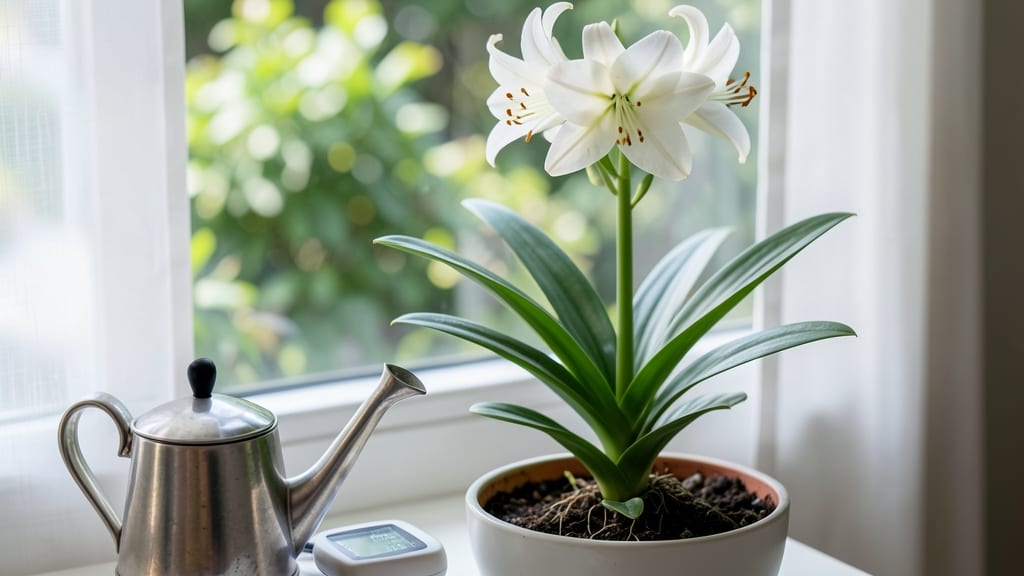
To water an Easter Lily 🌷 properly, aim for once a week when the top inch of soil feels dry to the touch — but that’s just the starting point.
Easter lilies are stunning additions to any garden—but overwatering or underwatering can kill them before they even bloom. The secret to keeping these showstopping flowers thriving lies in a simple soil test that prevents root rot while ensuring vibrant blooms.
Most gardeners guess how often to water, but Easter lilies actually tell you when they’re thirsty. Let the soil dry out slightly between waterings, and you’ll avoid the soggy roots that lead to yellowing leaves or the wilting that signals drought stress.
Below, I’ll break down the exact method for testing soil moisture, how to adjust for your climate, and the 3 signs your Easter Lily is getting just the right amount of water.
How often to water Easter lilies: the soil-dry test method
Easter lilies (Lilium longiflorum) thrive when you water them just enough to keep the soil evenly moist but never soggy. Unlike thirsty annuals, these bulbs store water and can suffer from root rot if overwatered.
The key? A simple soil-dry test that tells you exactly when to water—without guessing. I’ve perfected this method over years of growing show-stopping Easter lilies in both garden beds and containers.
Most gardeners water Easter lilies 1-2 times per week, but this changes with season, climate, and pot size. For example, my potted Easter lilies in summer need water every 5-7 days, while in-ground plants in Zone 6a might only need water every 10-14 days once established.
The soil test method eliminates the guesswork and keeps your lilies blooming beautifully.
Here’s how to perform the soil-dry test correctly—plus visual cues to watch for when your Easter lilies are thirsty or overwatered.
Step-by-Step Soil-Dry Test for Easter Lilies
- Step 1: Choose the right time – Test soil in the morning after the sun has dried the surface slightly. Avoid testing after a recent watering.
- Step 2: Insert your finger – Push your index finger 2-3 inches deep into the soil (about knuckle-deep). This is where the bulb’s roots actively absorb water.
- Step 3: Check moisture –
- Dry: Soil feels powdery or crumbly—water immediately.
- Moist: Soil feels slightly damp but not wet—wait 1-2 more days.
- Soggy: Soil feels cold and clingy—hold off on watering to prevent rot.
- Step 4: Adjust for pot vs. ground –
- Potted lilies: Soil dries faster—test daily if in full sun.
- In-ground lilies: Soil retains moisture longer—test every 3-4 days in summer.
- Step 5: Water deeply – When needed, water until water drains from the bottom (for pots) or until the soil is 2-3 inches deep moist (for garden beds).
Pro Tip: Use a moisture meter for accuracy if you’re unsure about soil texture.
Beyond the soil test, watch for visual cues that your Easter lilies are thirsty. Wilted leaves or buds that droop by midday are classic signs of underwatering.
Conversely, yellowing leaves or mushy stems signal overwatering. I once killed a prized Easter lily by ignoring these signs—now I check daily during peak bloom season (March-April).
Climate plays a huge role in watering frequency. In hot, dry summers (like in Zone 8+), I water my potted Easter lilies every 5 days, while in cooler, humid zones (like Zone 5), I stretch it to 10 days.
Always adjust based on your local weather—rainfall reduces your manual watering needs significantly.
For indoor Easter lilies, the rules shift slightly. These plants often sit in dry indoor air, so I water them every 7 days regardless of soil moisture.
Place pots on pebble trays to raise humidity and reduce evaporation. Avoid letting the soil dry out completely, as this stresses the plant and can prevent blooming.
One common mistake I see is watering on a schedule instead of checking the soil. Easter lilies in well-draining soil don’t need frequent watering—they prefer consistent moisture. If your soil drains poorly (like clay-heavy mixes), water less often but more deeply to avoid waterlogging.
Amend your soil with perlite or sand if drainage is an issue.
Seasonal adjustments are critical. During spring blooming (March-April), water weekly to support flower production. In summer dormancy (June-August), reduce watering to every 2 weeks—unless your plant is in a small pot, which dries out faster.
Always water in the early morning to prevent fungal diseases like botrytis, which thrives in wet foliage.
Remember, Easter lilies are bulb plants, and their roots are sensitive to waterlogged conditions. If you notice mold at the soil line or blackened stems, your watering routine needs urgent adjustment.
The soil-dry test method ensures you never overwater while keeping your lilies hydrated enough to bloom.
Common watering mistakes that kill Easter lilies (and how to fix them)
Easter lilies thrive on consistency, but even small watering mistakes can spell disaster. The most common culprits are overwatering and underwatering, both of which trigger stress signals your plant can't ignore. Yellowing leaves, drooping stems, and moldy soil are all red flags that your watering routine needs an overhaul.
I’ve seen root rot wipe out entire Easter lily patches because well-meaning gardeners assumed "more water = happier plant." The truth? These beauties prefer their soil to dry out slightly between waterings. The key is balance—enough moisture to keep roots happy, but never soggy enough to suffocate them.
🚨 callout-warning
⚠️ How Often to Water Easter Lilies?
Outdoor plants: 1-2 times per week (deep watering). Check soil 1 inch down—if dry, water thoroughly. Potted lilies need watering every 5-7 days due to faster drying soil.
Signs of overwatering: Yellow leaves, mushy stems, fungal mold on soil. Signs of underwatering: Crispy leaf edges, wilting despite moist soil, buds failing to open.
Let’s tackle the overwatering problem first. When Easter lilies sit in wet soil for too long, their roots suffocate and turn brown. This leads to yellowing leaves that start at the bottom and work upward. The fix?
Improve drainage by adding perlite or sand to heavy soil or repotting into containers with drainage holes. If mold appears on the soil surface, let the top inch dry out completely before watering again.
On the flip side, underwatering causes Easter lilies to show stress in different ways. Leaves may curl or develop brown, crispy edges, while buds refuse to open. The soil around the roots might pull away from the pot when dry.
To recover, give your plant a deep soak until water runs out the drainage holes, then wait until the top inch of soil feels dry before watering again. Mulching around the base helps retain moisture between waterings.
Pot size matters more than you think. Small containers dry out too quickly, leading to frequent shallow waterings that don’t reach the roots. Opt for pots that are at least 12 inches wide for mature plants, with drainage holes to prevent waterlogging.
If your Easter lily is in a decorative pot without drainage, lift it out regularly to check soil moisture—never guess.
When in doubt, use the finger test: Stick your index finger 1-2 inches into the soil. If it feels dry at that depth, it’s time to water.
For potted plants, lift them—they should feel light when dry and heavy when moist. This simple habit saves countless Easter lilies from preventable watering disasters every year.