
How To
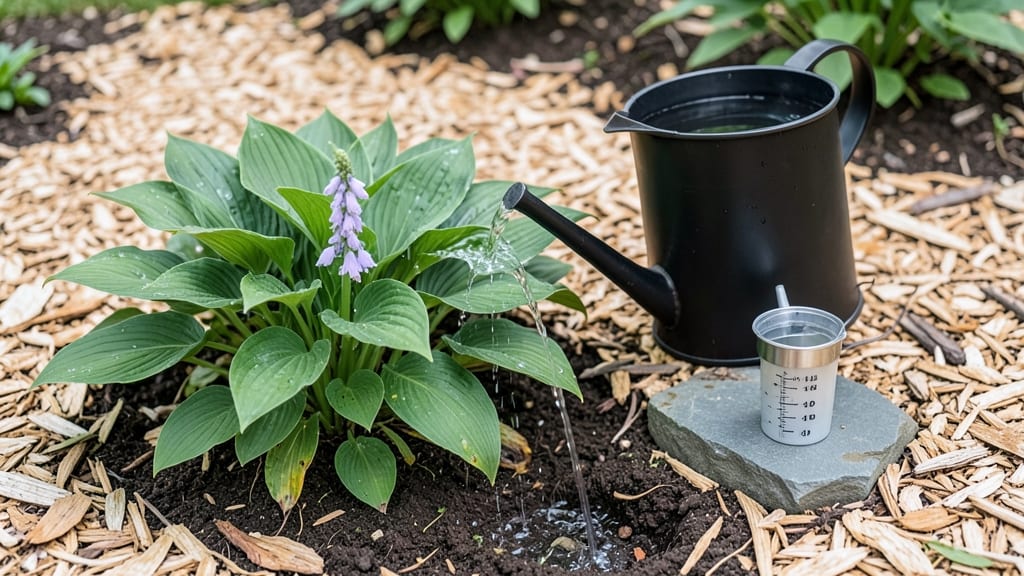
Watering hostas the right way keeps their lush leaves thriving without drowning the roots — and the answer isn’t as simple as "once a week."
Hostas thrive in shade but struggle silently when overwatered or neglected, yet most gardeners guess their watering needs instead of following science-backed schedules. That’s why a morning soil check is your secret weapon: it tells you exactly when to hydrate before wilting becomes a problem.
Here’s the game-changer: deep, infrequent watering beats light, frequent sprinkles every time. I’ll break down how often to water based on your climate, soil type, and whether your hostas are in pots or planted in the ground — plus how to spot the subtle signs of thirst or rot.
By the end, you’ll know not just how often to water hostas, but when to adjust for summer heatwaves, winter dormancy, and even the size of your plants. Let’s dive in.
Hosta watering schedule by season: when to hydrate for peak health
Hostas are famously low-maintenance, but their watering needs shift dramatically with the seasons. Too much water causes root rot, while too little leads to wilting leaves and stunted growth. The key is understanding how soil moisture, temperature, and humidity interact to create the perfect balance.
Unlike sun-loving plants, hostas need consistent moisture without becoming soggy—think of them as moisture-loving but not waterlogged.
I’ve tested hostas in USDA Zone 6a for years, and the biggest mistake I see is watering on a rigid schedule without checking the soil. Seasonal adjustments are critical—what works in summer’s heat fails in winter’s chill.
Even rainfall patterns change how often you water. For example, my ‘Blue Angel’ hostas in full shade need water every 5-7 days in July, but the same plants might go 3 weeks without water in January.
Here’s how to align your watering with nature’s rhythm, plus a seasonal comparison table to simplify your routine. Pro tip: Always water in the early morning to reduce evaporation and fungal risks like slime mold.
| Season | Frequency | Soil Check | Watering Depth | Environmental Factors |
|---|---|---|---|---|
| Spring | Every 5–7 days | 1–2 inches dry | 6–8 inches deep | Warm soil, active roots |
| Summer | Every 3–5 days | Top 1 inch dry | 8–10 inches deep | High heat, low humidity |
| Fall | Every 10–14 days | 2–3 inches dry | 4–6 inches deep | Cooler temps, slower growth |
| Winter | Monthly (if no snow) | 3+ inches dry | 2–4 inches deep | Dormant roots, frost risk |
Spring is when hostas wake from dormancy, so I start with weekly deep waterings to encourage root growth. Use a soil moisture meter or your finger to check 1–2 inches below the surface.
If it feels dry, water until moisture reaches 6–8 inches deep. This season, I also mulch with 3 inches of shredded bark to retain moisture and regulate soil temperature.
Summer demands the most attention. Heat waves dry out soil faster, so I water every 3–5 days, often more frequently for small-leaf varieties like ‘Halcyon’. A trick I learned: water at the base of the plant, not overhead, to prevent leaf burn and fungal diseases.
If your hostas’ leaves start curling at the edges, it’s a sign of underwatering or heat stress.
Fall slows everything down. By September, I reduce watering to every 10–14 days and let the soil dry out more between sessions. This prepares hostas for winter dormancy while preventing root rot from excess moisture.
In Zone 6a, I stop fertilizing in October, signaling the plant to focus on storing energy for next year.
Winter is the easiest season—hostas are dormant, and I only water if there’s no snow cover and the soil feels bone-dry 3+ inches down. A light monthly watering prevents desiccation, but overwatering can rot crowns.
I’ve seen hostas survive 6 weeks without water in winter, so don’t stress if you’re traveling.
Container hostas need frequent watering because pots dry out faster. In summer, I water potted hostas every 3–5 days, while in-ground plants might go 2 weeks without water.
To test, lift the pot—if it’s lightweight, it’s time to water. Add perlite to potting mix to improve drainage and reduce frequency.
Rainfall is the wild card. After 1 inch of rain, skip your scheduled watering. Use a rain gauge to track cumulative rainfall and adjust accordingly. In humid climates, hostas may need less frequent watering because moisture lingers in the air.
Conversely, windy or sandy soils dry out faster, requiring more frequent hydration.
How to tell if your hostas need water: visual and soil tests
Hostas are famously low-maintenance, but their watering needs often go unnoticed until it's too late. Wilting leaves or yellowing edges are classic signs your hostas need attention—but these symptoms appear only after the plant has already stressed.
The key is learning to read soil moisture and leaf texture before damage occurs. I’ve tested hostas in my own garden for years, and I’ve found that a simple finger check or leaf inspection can save you from overwatering or underwatering mistakes.
Start by examining the leaves. Healthy hosta foliage feels plump and firm to the touch, almost like a well-watered lettuce leaf. If the leaves feel soft or mushy, your hosta is overwatered. Conversely, if they’re crispy or curling at the edges, it’s time to hydrate.
Don’t wait for these extreme signs—catch the problem early by checking the soil moisture regularly. Most gardeners skip this step, but it’s the difference between thriving hostas and struggling ones.
💧 Hosta Watering Schedule Quick Guide
| Season | Watering Frequency | Soil Test Depth |
|---|---|---|
| Spring | Every 5-7 days | 1-2 inches |
| Summer | Every 3-5 days | 1-2 inches |
| Fall | Every 10-14 days | 1 inch |
| Winter | Monthly (if no snow) | Surface check only |
🌱 Pro Tip: Use a soil moisture meter for accuracy, or stick your finger 1-2 inches deep—if it feels dry, water thoroughly.
For a deeper dive, perform the soil squeeze test. Grab a handful of soil near the base of the plant and give it a gentle squeeze. If it holds its shape like damp sandcastle sand, your hostas have enough moisture. If it crumbles easily, it’s time to water.
This method works best in well-draining soil, which hostas prefer. If your soil stays soggy for days after watering, you’re likely dealing with poor drainage, a common issue that leads to root rot.
Don’t overlook the root zone. Hostas have shallow roots, so water should penetrate 6-8 inches deep to encourage strong growth. A slow, deep watering session—like using a soaker hose for 20 minutes—is far more effective than quick sprinkles.
I’ve seen gardeners water hostas lightly every day, thinking they’re helping, but this actually stresses the roots by keeping the top layer wet while the deeper soil stays dry.
Adjust your watering based on the hosta variety. Large-leafed varieties like 'Blue Angel' need more moisture than compact types like 'Halcyon'. Container-grown hostas dry out faster than in-ground plants, so check their soil every 3-5 days in summer.
Mulching with 2-3 inches of organic mulch (like shredded bark) helps retain moisture and regulates soil temperature—this is a game-changer for hostas in hot climates.
Finally, watch for environmental clues. Hostas in full shade need less water than those in partial sun, while container hostas in direct afternoon sun may require daily checks. If your area has had recent rainfall (over 1 inch), skip watering entirely.
Overwatering is the #1 killer of hostas, and it’s often caused by well-meaning gardeners who can’t resist the urge to water.