
How To
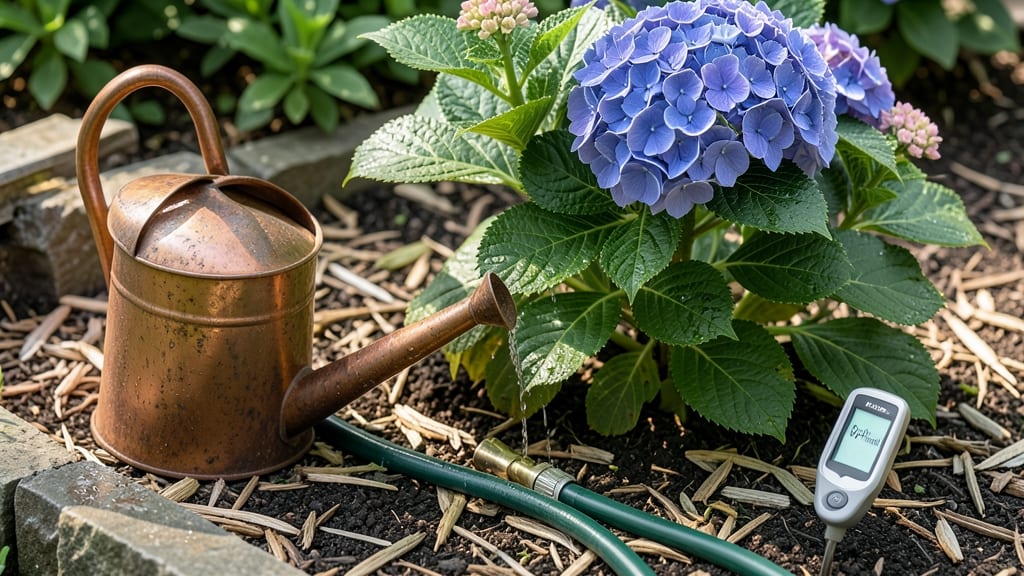
To keep your hydrangeas blooming vibrantly 🌸, water them deeply about once a week during their growing season—more in summer heat, less in winter chill.
Struggling to keep your hydrangeas blooming all season? Overwatering or underwatering can turn your lush plants into sad, wilted shrubs—here’s the exact watering schedule to prevent root rot while maximizing vibrant flowers.
Hydrangeas thrive on consistent moisture but hate soggy roots, so checking soil depth with your finger is the easiest way to avoid guesswork. A deep soak every 7–14 days (depending on heat and soil type) keeps them happy without drowning their roots.
In this guide, I’ll break down seasonal watering tips, how to spot over- or underwatering, and the best methods for potted vs. in-ground plants—so you can enjoy those showstopping blooms year after year.
Hydrangea watering schedule by season: when and how much to water for peak blooms
Mastering your hydrangea watering schedule is the secret to those show-stopping blooms you dream of. Too much water and you risk root rot—too little, and your plants wilt into sad, crispy shrubs.
The key? Seasonal adjustments based on your plant's needs, whether it's in the ground or a pot. Let's dive into the exact watering routine for each season to keep your hydrangeas thriving.
Hydrangeas love consistent moisture but hate soggy roots. In-ground plants have deeper root systems, while potted hydrangeas dry out faster. That's why their watering needs differ—we'll cover both. Start by checking soil moisture with your finger: if the top 1-2 inches feel dry, it's time to water.
For pots, lift them—they should feel light before watering.
| Season | In-Ground Hydrangeas | Potted Hydrangeas | Key Tips |
|---|---|---|---|
| Spring | Water 1-2 times per week (deep soak) | Water every 3-4 days (small pots dry faster) | Increase frequency if drought stress appears (wilting leaves) |
| Summer | Water every 5-7 days (morning watering preferred) | Water every 2-3 days (check soil daily in heatwaves) | Mulch heavily to retain moisture during heatwaves |
| Fall | Water every 10-14 days (reduce as temps drop) | Water every 5-7 days (pots cool faster) | Cut back watering as new growth slows |
| Winter | Water monthly or when soil is bone-dry | Water every 3-4 weeks (only if no frost) | Avoid watering if frost is forecasted (can damage roots) |
In spring, your hydrangeas are waking up from dormancy and need a steady water supply to fuel new growth. Aim for 1-2 deep waterings per week—this means soaking the soil until water drains out the bottom (for pots) or seeps 6 inches deep (for in-ground plants).
If your hydrangea is in a large container, you might need to water every 3-4 days, especially if it's in full sun.
Summer is when most watering mistakes happen. Heatwaves can dry out soil in just 2-3 days, so monitor your plants closely. Water in the early morning to prevent fungal diseases from evening moisture.
For potted hydrangeas, consider moving them to a shadier spot during peak heat—this reduces water evaporation by up to 30%. Mulch with 3-4 inches of organic mulch (like shredded bark) to lock in moisture.
As fall approaches, your hydrangeas start preparing for dormancy. Reduce watering gradually—aim for every 10-14 days for in-ground plants and every 5-7 days for pots. The goal is to keep the soil slightly moist but not soggy.
Watch for yellowing leaves, a sign of overwatering, and adjust accordingly. Potted hydrangeas may need more frequent watering since they cool faster in dropping temperatures.
Winter care is often overlooked, but it's crucial. Dormant hydrangeas need very little water—only enough to prevent the soil from becoming completely dry. Water monthly or less, depending on your climate. If you're in a cold, snowy region, you might not need to water at all.
For pots, move them to a sheltered spot if possible, or wrap the container in bubble wrap to insulate roots from freezing temperatures.
Environmental factors like humidity, wind exposure, and soil type can drastically change your watering needs. For example, sandy soil drains faster than clay, so you'll need to water more often.
Similarly, windy conditions dry out plants quicker—consider a windbreak if your hydrangeas are struggling. Always adjust your schedule based on what you observe, not just the calendar.
Pro tip: Use a moisture meter for accuracy, especially if you're unsure about your soil's moisture level. These $10 tools save time and prevent overwatering. For potted hydrangeas, weigh the pot before watering—if it feels light, it's time to hydrate.
If you're traveling, group pots together and water them thoroughly before you leave to extend moisture retention.
Remember, hydrangeas communicate their needs through their leaves. Drooping? Water more. Yellowing or crispy edges? You're overdoing it. With this seasonal watering guide, you'll have hydrangeas that burst with color all season long—no guesswork required. Happy gardening! 🌸
5 Signs your hydrangeas are overwatered or underwatered (and how to fix it)
Your hydrangeas are the stars of your garden—until they start sending distress signals. Yellowing leaves, drooping blooms, or crispy edges aren’t just bad hair days; they’re cries for help. The most common culprits? Overwatering or underwatering.
Both can turn your lush shrubs into sad, wilted shadows. The good news? Fixing these issues is easier than you think once you spot the signs.
First, let’s tackle the overwatered hydrangea. When roots sit in soggy soil for too long, they suffocate, leading to root rot. This causes leaves to turn yellow or brown and feel mushy to the touch.
You might also notice drooping stems or a foul smell around the base—your plant’s way of saying, “I can’t breathe!” On the flip side, underwatered hydrangeas show crispy leaf edges, wilted blooms, and soil that pulls away from the pot or ground.
Both extremes stress your plant, but the fixes are straightforward.
💧 How Often to Water Hydrangeas
- Spring: Water 1-2 times per week—soil should stay moist but not soggy. Test by sticking your finger 1-2 inches deep; if dry, water deeply.
- Summer: Increase to every 5-7 days (or daily in extreme heat). Morning watering prevents evaporation and fungal growth.
- Fall: Reduce to bi-weekly as growth slows. Focus on root hydration, not leaf moisture.
- Winter: Water monthly unless in USDA Zone 5 or colder. Let soil dry slightly between waterings.
- Potted hydrangeas: Water every 3-5 days—pots dry out faster. Check weight; if light, it’s time to water.
If your hydrangea is overwatered, the first step is to stop watering immediately and let the soil dry out. Dig around the base to loosen compacted soil and improve drainage.
If the roots smell rotten or look mushy, trim them with sterilized pruners and replant in fresh, well-draining soil. For underwatered plants, give them a deep soak—aim for 1-2 gallons per plant—and repeat every 5-7 days until the soil is consistently moist.
Mulch around the base with 2-3 inches of organic mulch (like shredded bark) to retain moisture and regulate soil temperature.
Another key trick? Test your soil’s drainage. Fill a container with water, pour it over the soil, and time how long it takes to drain. If water pools after 30 minutes, your soil is too dense. Amend it with compost or perlite to improve airflow.
For potted hydrangeas, ensure the pot has drainage holes and use a mix of potting soil and sand (50/50 ratio) to prevent waterlogging. Pro tip: Group pots together to create a microclimate that retains humidity.
Don’t forget to monitor your hydrangea’s leaves for color changes. Blue or purple blooms (like in mophead hydrangeas) thrive in acidic soil (pH 5.0-5.5), while pink blooms prefer neutral soil (pH 6.0-7.0).
If your blooms aren’t changing color as expected, it might be a watering + pH issue. Test your soil with a pH kit and adjust with lime (to raise pH) or sulfur (to lower pH) as needed.
Consistency is key—hydrangeas hate moisture swings, so aim for steady hydration rather than sporadic deep waterings.
Lastly, adjust your watering routine based on your local climate. In hot, dry summers, hydrangeas may need daily watering, while humid coastal areas might only require weekly checks. Pay attention to weather forecasts: before a heatwave, give your plants an extra drink to help them recover.
With these fixes, your hydrangeas will bounce back in no time, blooming brighter than ever. 🌸