
Watering
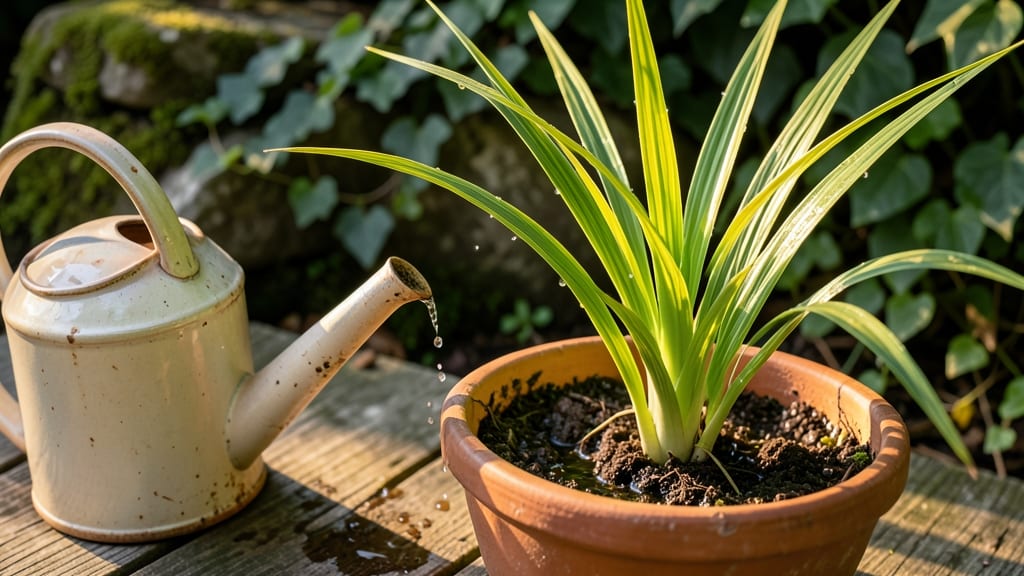
To water lemongrass just enough for perfect growth, check the soil every 2-3 days—dipping your finger an inch deep is the secret to avoiding soggy roots or crispy leaves.
Struggling to keep your lemongrass thriving? Overwatering or underwatering can turn your vibrant plant into a sad, brown mess—unless you master the finger-dip method for perfect moisture balance.
This tropical herb 🌿 thrives in consistently damp soil but despises standing water, making the difference between a lush harvest and a dying stalk just a matter of timing and technique.
Below, I’ll break down the exact watering schedule for your climate, how to tell if your soil is too dry or too wet, and the 3 simple fixes that save struggling plants every time.
Lemongrass watering schedule by climate zone: exact frequency guide
Mastering your lemongrass watering schedule depends entirely on your climate zone. Tropical areas demand frequent hydration, while temperate zones require more caution. The finger-dip test—checking soil moisture 1-3 inches deep—is your best tool to avoid both overwatering and underwatering.
Let's break down exact intervals for each zone so your lemongrass stays lush and productive.
Lemongrass thrives in consistently moist but never soggy soil. In tropical zones, high humidity and heat mean you'll water daily or every other day, while temperate zones may only need watering every 3-4 days.
The key is adapting to your local weather patterns and adjusting based on rainfall. For example, during monsoon seasons, you might reduce watering by 50% to prevent root rot.
Here’s how to use the finger-dip test for perfect moisture balance: Insert your finger into the soil up to your second knuckle. If it feels dry, water thoroughly. If it’s damp but not soggy, wait another day.
For potted lemongrass, check the top 1-2 inches of soil, as containers dry out faster. Always water in the morning to reduce evaporation and fungal risks.
🌱
In tropical climates, lemongrass grows aggressively, so monitor soil moisture twice daily if temperatures exceed 90°F (32°C). Look for wilting leaves or yellowing tips as signs of thirst.
In subtropical zones, morning watering is critical to prevent fungal diseases like leaf spot, which thrives in humid conditions. Always pair watering with well-draining soil to avoid waterlogging.
For temperate zones, focus on deep watering every 3-4 days rather than frequent shallow sessions. This encourages strong root development and reduces surface evaporation. If your lemongrass is in a container, switch to a terracotta pot—it wicks moisture away faster than plastic.
Mulch around the base with straw or wood chips to retain moisture and regulate soil temperature.
Seasonal shifts demand flexible adjustments. During summer heatwaves, increase watering by 20-30% and provide afternoon shade to prevent stress. In winter, reduce frequency to once a week unless you're in a frost-free zone.
Always check the soil before watering—dry soil pulls away from pot edges, while soggy soil smells musty.
Pro tip: Use a moisture meter for accuracy, especially in sandy soil, which drains quickly. If your lemongrass develops brown leaf tips, it’s often a sign of fluoride buildup from tap water.
Switch to rainwater or distilled water to revive your plant. With these zone-specific guidelines, your lemongrass will stay vigorous and aromatic all season long.
💧
The finger-dip method explained: step-by-step soil moisture check
Mastering the finger-dip method is the secret to keeping your lemongrass thriving without drowning its roots or letting it wither. This simple technique lets you check soil moisture at the right depth—1-2 inches for potted plants and 2-3 inches for in-ground—so you water only when needed.
No more guesswork, just science-backed moisture checks that save time and keep your plants happy.
Before sticking your finger in, loosen the soil slightly around the plant’s base with your finger or a small stick. This gives you an accurate reading of moisture levels deeper in the soil, where roots actively absorb water. Lemongrass roots thrive in consistently damp soil, but they’ll rot if soggy.
The finger-dip method helps you strike that perfect balance every time.
How Often to Water Lemongrass by Soil Test
- 🌱 Healthy Soil (Moist but Not Wet) – Water every 2-3 days (potted) or 3-4 days (in-ground). Soil should feel like a wrung-out sponge.
- 💧 Too Dry (Clumps When Touched) – Water immediately and deeply. For potted lemongrass, soak until water runs out the drainage holes.
- 🌧️ Overly Wet (Squishy or Muddy) – Hold off on watering. Let the top 1 inch dry out before checking again. Yellowing leaves signal root rot risk.
- ☀️ Summer Heat Adjustment – Check moisture daily in pots; in-ground plants may need water every 1-2 days if soil dries quickly.
- 🌬️ Humid Climates – Reduce watering by 20-30%. Soil stays moist longer, so dip your finger deeper (3 inches) to avoid overwatering.
For potted lemongrass, the finger-dip test is especially critical because containers dry out faster.
If your finger comes out clean at 1 inch deep, it’s time to water—even if the top layer feels damp. In-ground lemongrass, on the other hand, holds moisture longer, so wait until your finger feels dry at 2-3 inches before watering again.
Pay attention to the texture and smell of the soil. Healthy soil should have a slight earthy scent and hold together loosely when squeezed.
If it smells sour or falls apart like sand, your watering routine needs adjustment. Yellowing leaves or wilting stalks are clear signs you’ve missed the mark—either overwatering or underwatering.
Pro tip: Keep a small notebook by your plants to track your finger-dip results. Note the date, depth, and moisture level each time you check. Over a week or two, you’ll spot patterns and fine-tune your watering schedule for your specific climate and setup.
Consistency is key—lemongrass rewards reliable care with lush, fragrant growth.
Remember, the finger-dip method isn’t just about when to water—it’s about understanding your plant’s needs. With practice, you’ll develop an intuitive sense of what “just right” feels like, and your lemongrass will thrive year after year. Happy digging! 🌿