
How To
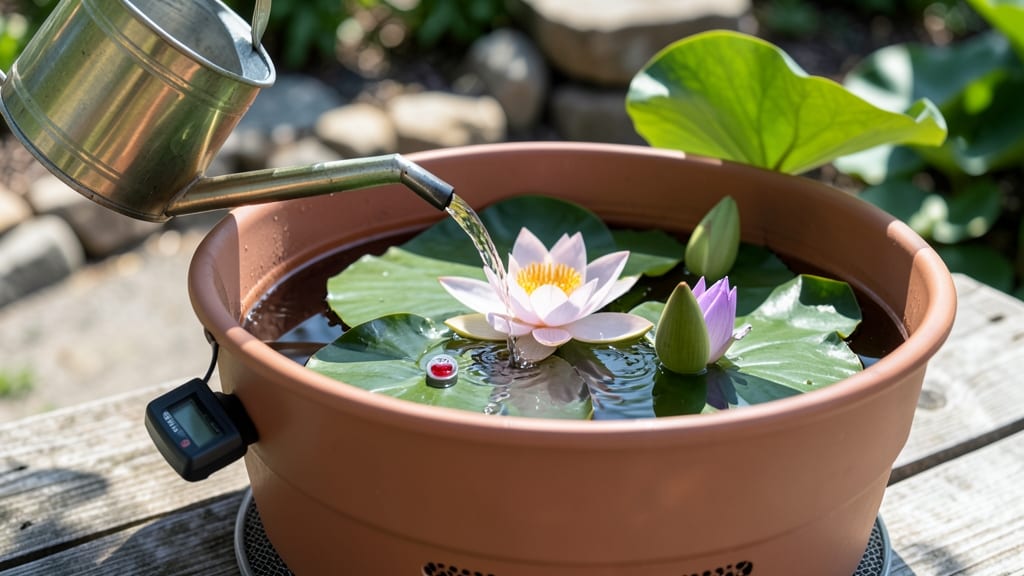
Watering potted lilies often enough keeps their roots happy and their leaves floating high—but guesswork is how most gardeners end up with sad, drooping 🌸 blooms.
Overwatering potted lilies is the #1 killer of these stunning aquatic plants—but guessing when to water leads to drooping leaves or root rot. The secret lies in a simple finger-dip test that reveals the exact moisture balance your lilies crave.
Unlike their pond-dwelling cousins, containerized water lilies need consistent moisture without sitting in stagnant water. Too little, and the rhizomes dry out; too much, and oxygen-starved roots suffocate. Climate, pot size, and even the season throw off your schedule faster than you can say "root rot."
Here’s how to nail the rhythm: the finger-dip test for real-time moisture checks, seasonal adjustments for dormancy, and the one trick to keep your potted lilies thriving without a single guess.
The finger-dip test: how to check potted lily moisture like a pro
Stunning potted lilies need precise moisture control—too much water drowns their roots, while too little causes wilting. The finger-dip test is my go-to method for checking soil moisture with 100% accuracy. Unlike rigid watering schedules, this hands-on approach adapts to your plant's real-time needs, preventing both root rot and dehydration.
I've used this technique for years with my tropical water lilies, and it's saved countless plants from overzealous watering.
Here's why the finger-dip test works better than schedules: potted lilies in 4-6 inch water depths (their ideal range) dry out at different rates based on pot size, sunlight exposure, and even the season.
A 10-inch pot might need water every 2 days, while a 16-inch container could go 3-4 days. The finger test accounts for all these variables instantly.
Step-by-Step Finger-Dip Test for Potted Lilies
- Step 1: Wait until morning after the sun rises. Morning (6-9 AM) is ideal because water evaporates less overnight, giving you an accurate reading.
- Step 2: Insert your finger 1-2 inches deep into the soil near the pot's edge. This depth checks the root zone where lilies absorb most moisture.
- Step 3: Assess the texture:
- Dry: Soil crumbles like sand. Water immediately.
- Moist: Feels like a damp sponge. Wait 1-2 days.
- Soggy: Water beads on your finger. Drain excess and wait 3+ days.
- Step 4: For larger pots (16"+ diameter), check 2-3 inches deep—the center may stay moist longer than edges.
- Step 5: After watering, always ensure the rhizome stays submerged but leaves remain above water to prevent rot.
Pro tip: If your lilies are in terracotta pots, they dry faster than plastic. Adjust your finger-test depth to 1.5 inches for these containers, as they wick moisture through their walls.
I learned this the hard way when my first batch of yellow day lilies developed brown tips from inconsistent moisture.
Timing matters too. In summer heat (80°F+), I test moisture daily at 7 AM because evaporation accelerates. During cool months (50-60°F), checking every 2-3 days suffices. This seasonal adjustment keeps my lilies thriving year-round without guesswork.
One common mistake I see is testing moisture after watering. Always wait 30-60 minutes to let water redistribute evenly. I once overwatered my pink water lilies because I checked immediately after filling the pot, leading to temporary root suffocation. Patience here prevents overcorrection.
For indoor potted lilies near windows, reduce testing frequency by 25%—indoor air stays more humid, slowing evaporation. Place a small hygrometer nearby to monitor humidity levels, which directly impacts how often you'll need to water.
My indoor lilies in 50% humidity need water every 3 days, while outdoor ones in 70% humidity go 4-5 days.
Watch for visual cues too: Yellowing leaves often signal overwatering, while crispy leaf edges mean underwatering. But the finger test catches these issues before they become visible. I've saved multiple plants by acting on the test's results 2-3 days earlier than symptoms appeared.
Remember: The finger-dip test isn't just about moisture—it's about rhizome health. Healthy rhizomes feel firm but slightly spongy. If they're mushy, your lily's drowning; if they're rock-hard, it's thirsty. This dual check ensures you're watering for both moisture and root vitality.
Start using this method today, and you'll never second-guess your watering again. Your potted lilies will reward you with vibrant blooms and lush foliage all season long. Happy testing! 🌸
Watering frequency for potted lilies: seasonal schedule by climate Zone
Potted lilies thrive on consistency, but their water needs shift dramatically with seasonal changes and USDA climate zones. In humid Zone 9, you might water every 3 days, while Zone 4 lilies need daily checks in summer.
The key? Adjusting for temperature swings, indoor vs. outdoor pots, and dormancy periods—not just following a rigid schedule.
Indoor pots dry out faster due to lower humidity and artificial lighting, often requiring water every 1-2 days year-round. Outdoor containers in Zone 7+ can handle longer stretches between waterings, especially with mulch retention. Always prioritize rhizome health—water until the base is submerged but never soggy.
🌸
| Climate Zone | Season | Indoor Pots | Outdoor Pots | Key Adjustments |
|---|---|---|---|---|
| Zones 3-5 | Spring/Summer | Every 1-2 days | Daily (morning) | High evaporation; check soil daily |
| Zones 3-5 | Fall/Winter | Every 5-7 days | Every 7-10 days | Reduce by 50%; let top inch dry |
| Zones 6-8 | Spring/Summer | Every 2 days | Every 2-3 days | Use mulch; avoid stagnant water |
| Zones 6-8 | Fall/Winter | Every 7-10 days | Every 10-14 days | Dormancy begins; reduce fertilizing |
| Zones 9-11 | Year-Round | Every 3-4 days | Every 3-5 days | High humidity; monitor leaf turgor |
For Zone 3-5 growers, summer is critical—water lilies daily in outdoor pots to combat rapid evaporation. Use a moisture meter for accuracy, as these zones often swing between scorching days and cool nights.
In Zone 9-11, focus on leaf health over schedules; wilting signals it's time to water, even if your last session was just 3 days ago.
Pro tip: Rainwater or distilled water prevents mineral buildup in pots. If using tap water, let it sit 24 hours to reduce chlorine. Always ensure pots have drainage holes—stagnant water in Zone 6+ summer heat can kill rhizomes in days.
💧
Adjust your schedule weekly by testing soil moisture at the rhizome level. If the top 1-2 inches feel dry, water thoroughly until it drains from the bottom.
In dormancy months (November-March for most zones), cut back to every 10-14 days and avoid fertilizing—your lilies are conserving energy for next season's blooms.