
How To
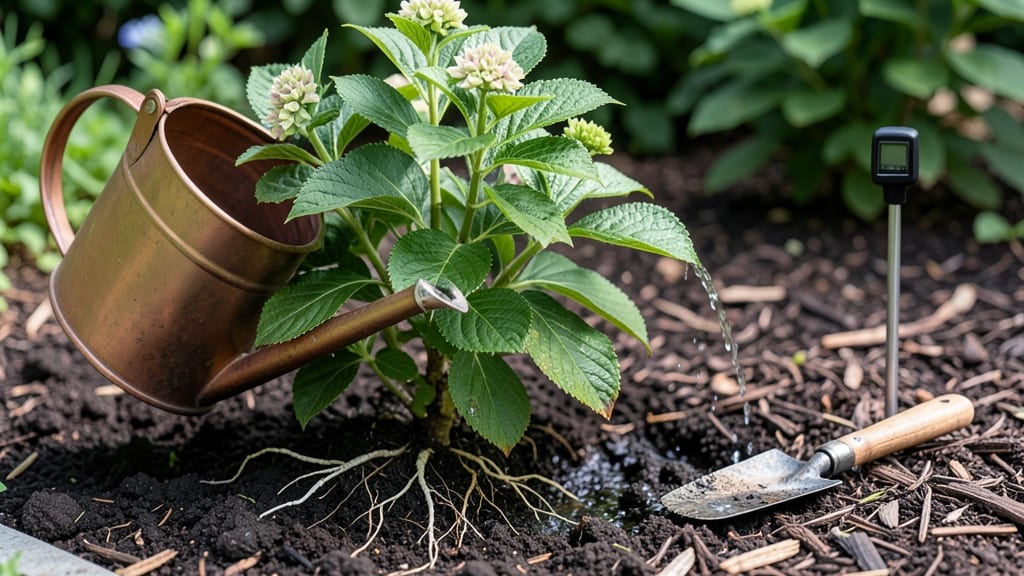
Watering new bushes the right way means keeping their roots moist but never soggy—too much or too little can stifle growth or invite disease.
You’ve just planted your 🌿 new bushes in Zone 6, and now the question looms: how often should you water them without guessing? The answer lies in your soil, not a calendar.
A quick finger test or a simple weight check can tell you exactly when to reach for the hose—or when to hold back.
Overwatering drowns roots, while underwatering stresses them into survival mode. Both mistakes show up in wilting leaves or yellowing foliage, but by then, it’s often too late. The key is learning to read your soil’s thirst cues before the plants scream for help.
In this guide, I’ll break down the science-backed soil checks that replace guesswork with confidence, plus how to adjust your watering schedule as your bushes grow from 1-foot seedlings to 5-foot shrubs. No more second-guessing—just healthy roots and happy growth.
The perfect watering schedule for new bushes by soil type
New bushes need consistent moisture to establish strong root systems, but overwatering can suffocate roots just as much as underwatering. The key? Understanding how your soil type affects water retention.
Sandy soil drains fast, while clay holds moisture for days—each requires a different approach to keep your shrubs thriving without drowning them.
Your soil texture determines how often you should water. For example, loamy soil—the gardener's gold—balances drainage and moisture retention perfectly, while peat soil stays damp longer, needing less frequent watering. Let’s break down the ideal watering schedule for each type, plus seasonal adjustments for spring planting and summer heat.
Pro Tip: Always water deeply—aim for 12-18 inches down—to encourage deep root growth. Shallow watering only wets the surface, forcing roots to stay near the top where they’re vulnerable to drought or rot.
| Soil Type | Watering Frequency (Spring) | Watering Frequency (Summer) | Key Signs of Overwatering | Key Signs of Underwatering |
|---|---|---|---|---|
| Sandy Soil | Every 2-3 days | Every 1-2 days | Yellowing leaves, mold | Dry, crispy leaves, wilting |
| Clay Soil | Every 5-7 days | Every 3-5 days | Puffy stems, root rot | Cracked soil, drooping |
| Loamy Soil | Every 3-5 days | Every 2-4 days | Mushy stems, fungus | Dull leaves, slow growth |
| Peat Soil | Every 7-10 days | Every 5-7 days | Stunted growth, slimy roots | Brittle stems, pale foliage |
For sandy soil, watering every 2-3 days in spring and daily in summer heat keeps roots hydrated without waterlogging. This soil drains so quickly that shallow watering is useless—always aim for deep soaks to encourage roots to grow downward.
If your bush has yellowing leaves or feels spongy at the base, you’re overdoing it.
In clay soil, water penetrates slowly, so wait until the top 2 inches feel dry before watering again. During summer, reduce frequency to every 3-5 days—clay can suffocate roots if overwatered. Look for cracked soil or wilting despite dampness as signs to cut back.
Loamy soil is the easiest to manage, but don’t assume it’s foolproof. Water when the top 1-2 inches are dry, adjusting for rain. In summer, mulch heavily (3-4 inches) to retain moisture and cool roots. If leaves turn dull or crispy, increase water slightly.
Peat soil holds moisture like a sponge, so water less often—every 7-10 days in spring and 5-7 days in summer. Overwatering here leads to root rot and stunted growth. Test moisture by squeezing a handful: if it stays clumped, wait before watering again.
Seasonal shifts matter too. In spring, focus on deep, infrequent watering to establish roots. By summer, increase frequency but reduce volume per watering to prevent runoff. Always water in the early morning to minimize evaporation and fungal risks.
One final trick: group bushes by soil type in your garden. This way, you can tailor your watering schedule to each section without confusion. For example, place sandy-loving bushes near drip irrigation and clay-tolerant varieties in raised beds for better drainage.
With these soil-specific schedules, your new bushes will thrive without the guesswork. Happy gardening!
5 Soil check tricks to water new bushes without guessing
New bushes need consistent moisture to establish strong roots, but guessing how often to water can lead to soggy soil or parched plants. Instead of relying on a calendar, I check the soil first—this method prevents both overwatering and underwatering.
The key is understanding what your bush roots truly need, not just following a generic schedule.
Every gardener has their go-to trick for testing soil moisture, but some methods are more reliable than others. For example, the finger test is simple but can be misleading in heavy clay soils, while a moisture meter gives precise readings.
I’ve tested them all, and the best approach combines a few techniques for accuracy. Start with these five tricks to dial in your watering routine.
- 1. Finger Test (1-2 inches deep)
- 2. Chopstick Check (3-4 inches deep)
- 3. Weight Test (Lift the pot)
- 4. Leaf Wilting Cues (Morning droop)
- 5. Moisture Meter (For precision)
The finger test is my first go-to because it’s free and works for most soil types. Stick your index finger 1-2 inches deep into the soil near the base of the bush.
If it feels dry, water deeply until moisture reaches those roots. For sandy soils, which dry out faster, you’ll need to check more often—sometimes every 2-3 days in summer heat.
A chopstick technique works well for deeper-rooted bushes or containers. Push a clean chopstick 3-4 inches into the soil and pull it out. If the soil clings to it, the roots are happy.
If it comes out clean, it’s time to water. This method is especially useful for clay soils, where moisture lingers near the surface but roots may still be thirsty deeper down.
For potted bushes, the weight test is a game-changer. Lift the pot—if it feels light, the soil is dry and needs water. A heavy pot usually means the roots are well-hydrated.
I use this trick for container-grown shrubs like hydrangeas or boxwoods, which dry out faster in small pots. Pair this with morning watering to avoid fungal issues from evening moisture.
Visual cues like leaf wilting can be tricky because afternoon heat causes temporary droop. Instead, check leaves in the morning. If they’re soft and limp, the bush needs water immediately.
However, if wilting happens in the late afternoon but leaves perk up by morning, your bush is likely fine. Always confirm with a soil check before watering.
While DIY methods work, a moisture meter adds precision for high-value bushes or drought-sensitive varieties. These tools measure moisture at the root level, eliminating guesswork. I recommend the Xiaomi Mi Flower Care meter for its accuracy and affordability.
For most gardeners, though, combining the finger test with leaf observations will keep your new bushes thriving without the extra cost.
Remember, the goal is deep, infrequent watering to encourage roots to grow downward. Overwatering smothers roots, while underwatering stresses them—neither helps your bush establish. Use these tricks to find your plant’s sweet spot, and soon you’ll be watering like a pro. 🌿