
Watering
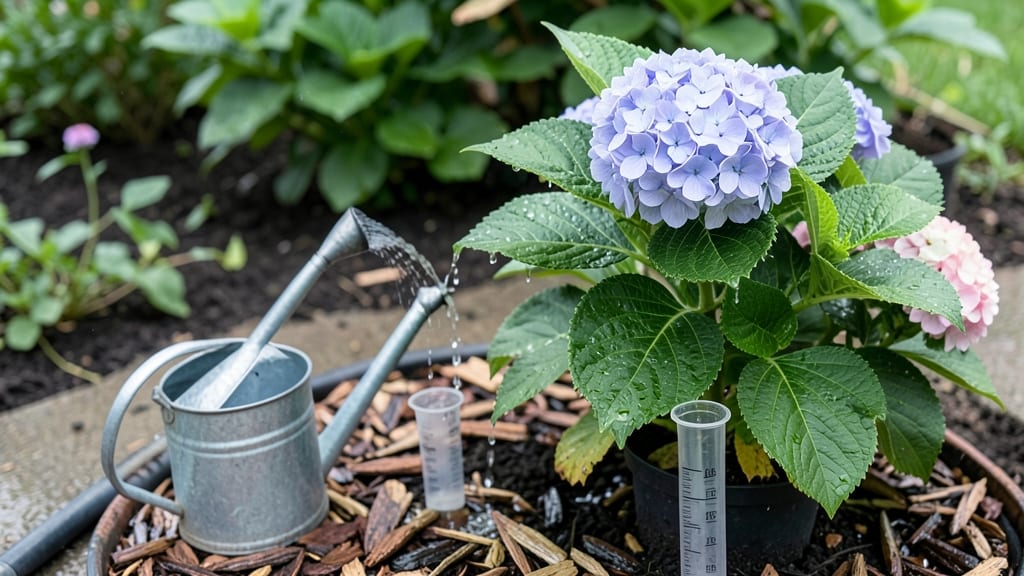
Watering new hydrangeas the right way—every 2 to 3 days—is the key to avoiding root rot or stunted blooms.
You’ve just planted your 🌸 hydrangea, and now the real work begins: keeping the soil moist but not soggy. Too much water, and you’ll smother the roots; too little, and those lush blooms won’t appear. The trick? A simple soil test that tells you exactly when to water—without guessing.
In spring and summer, your hydrangea will drink more, but the frequency shifts with your climate and soil type. Sandy soil dries fast, while clay holds moisture longer. I’ll show you how to adjust your watering schedule so your plant thrives—not just survives.
Skip the guesswork and learn how to check soil moisture, spot signs of over- or under-watering, and keep your hydrangea’s roots happy year-round. Your future blooms will thank you.
How often to water new hydrangeas based on soil dry test
New hydrangeas are delicate when first planted, and getting their watering schedule wrong can mean the difference between vibrant blooms and wilted leaves. Unlike mature plants, young hydrangeas need consistent moisture to establish strong roots—but too much water can suffocate them.
The key? A simple soil dry test that tells you exactly when to water, no guesswork required.
Most gardeners overwater new plants out of concern, but hydrangeas actually prefer their roots to dry out slightly between waterings. The trick is checking 1-2 inches deep in the soil—this is where the roots actively seek moisture.
By adjusting your watering based on seasonal needs, you’ll help your hydrangeas thrive without risking root rot or stunted growth.
Here’s how to test your soil moisture and create a watering schedule that works for spring, summer, and fall, with adjustments for your local climate.
Step-by-Step Soil Dry Test for Hydrangeas
-
Step 1: Choose the Right Time
Test soil in the morning (after sunrise) when moisture levels are most stable. Avoid testing after rain or watering. -
Step 2: Insert Your Finger
Push your index finger 1-2 inches deep into the soil near the plant’s base. This is where hydrangea roots actively absorb water. -
Step 3: Check Moisture Level
Dry: If soil feels bone-dry or crumbly, water immediately.
Moist: If soil feels slightly damp (like a wrung-out sponge), wait 1-2 days.
Wet: If soil is soggy or sticky, hold off on watering to prevent rot. -
Step 4: Adjust for Season
Spring: Water every 2-3 days (soil dries faster as temps rise).
Summer: Water daily or every other day (heat dries soil quickly).
Fall: Reduce to weekly as growth slows. -
Step 5: Water Deeply
When watering, soak the soil until water drains 6 inches deep. Use a drip irrigation system or water at the base (not leaves) to avoid fungal issues.
💧 Pro Tip: Use a moisture meter for accuracy, especially in sandy or clay soils.
Spring is the most critical time for new hydrangeas because their roots are still establishing. During April and May, I water mine every 2-3 days unless we’ve had recent rain. The goal is to keep the soil consistently moist but not soggy.
If your hydrangea was planted in well-draining soil, it may need water slightly less often, but clay soils will dry out slower.
Summer brings the biggest challenge: heat and evaporation can dry out soil in hours. I switch to watering daily or every other day, always checking the soil first. Mornings are best to avoid evening moisture that can attract pests.
If your hydrangea’s leaves start curling or wilting by noon, it’s a sign you need to water more frequently.
Fall slows everything down, so I reduce watering to once a week by September. The plant’s growth naturally slows, and its roots become more established. Overwatering in fall can lead to root rot, so always test the soil before adding more water.
Mulch around the base with 2-3 inches of organic mulch to retain moisture and regulate soil temperature.
Potted hydrangeas dry out 3x faster than in-ground plants, so I water mine every 2-3 days year-round, adjusting for rain. Containers lack the moisture-retaining benefits of garden soil, so I use self-watering pots or bury the pot partially in the ground to stabilize moisture levels.
If the soil feels dry at the top but still damp below, it’s time to water.
One common mistake is watering based on a schedule rather than soil conditions. I once had a hydrangea that wilted because I stuck to a weekly watering routine during a heatwave.
Always prioritize the soil dry test over assumptions. If you’re unsure, err on the side of under-watering—hydrangeas recover better from dry spells than from soggy roots.
Watch for yellowing leaves or drooping stems, which often signal overwatering. If the soil smells musty or feels cold and clumpy, your hydrangea is drowning. For underwatering, leaves may curl inward or feel crispy to the touch.
Adjust your watering immediately based on these signs, and your plant will bounce back in 1-2 weeks.
With this soil test method, your new hydrangeas will develop a strong root system and reward you with lush blooms next season. The key is consistency—check the soil regularly, adjust for weather, and always water deeply. Soon, you’ll have a thriving hydrangea that’s the envy of the neighborhood! 🌸
Signs your new hydrangeas need more or less water
Hydrangeas send clear signals when their thirst isn't being met—just learn how to read them. Yellowing leaves often mean overwatering, while crispy leaf edges scream dehydration. These visual cues help you adjust before damage sets in.
Pay attention to the soil too; clay soil stays soggy longer, while sandy soil dries out fast.
Environmental factors play a huge role too. During heatwaves above 90°F, hydrangeas may need daily watering, but after heavy rain, they might not need any for a week. Morning watering is best—it reduces evaporation and fungal risks.
If you're unsure, stick your finger 1-2 inches deep; dry soil means it's time to water.
Watering Your New Hydrangeas
| Sign | Cause | Quick Fix |
|---|---|---|
| Drooping leaves | Underwatering | Water deeply at base |
| Yellowing leaves | Overwatering | Let soil dry slightly |
| Brown leaf tips | Low humidity | Mulch around base |
| Mushy stems | Root rot | Improve drainage |
💧 Pro Tip: Always water at soil level, not leaves, to prevent fungal diseases.
If your hydrangea's leaves feel crispy to the touch, it’s thirsty—water immediately and check soil drainage. Soggy soil after rain means you should hold off until it dries.
New plants need 1-2 inches of water weekly, but adjust based on weather. A 3-inch mulch layer helps retain moisture and regulate temperature.
Watch for stunted growth or fewer blooms—these often mean underwatering during the growing season. Conversely, mushy stems or yellow leaves with brown spots signal overwatering. Always water in the early morning to give roots time to absorb moisture before the heat sets in.
For potted hydrangeas, check soil moisture daily—they dry out faster than in-ground plants. If the top 1 inch feels dry, it’s time to water. Container plants also benefit from a saucer to catch excess water, preventing root rot.
Adjust your routine based on the season: summer needs more, while fall requires less.
Don’t ignore leaf color changes—hydrangeas shift hues based on moisture levels. Blue-green leaves may indicate acid-loving soil needs, but pale yellow means underwatering. Use a soil moisture meter for accuracy, especially in hot, dry climates where evaporation speeds up.