
How To
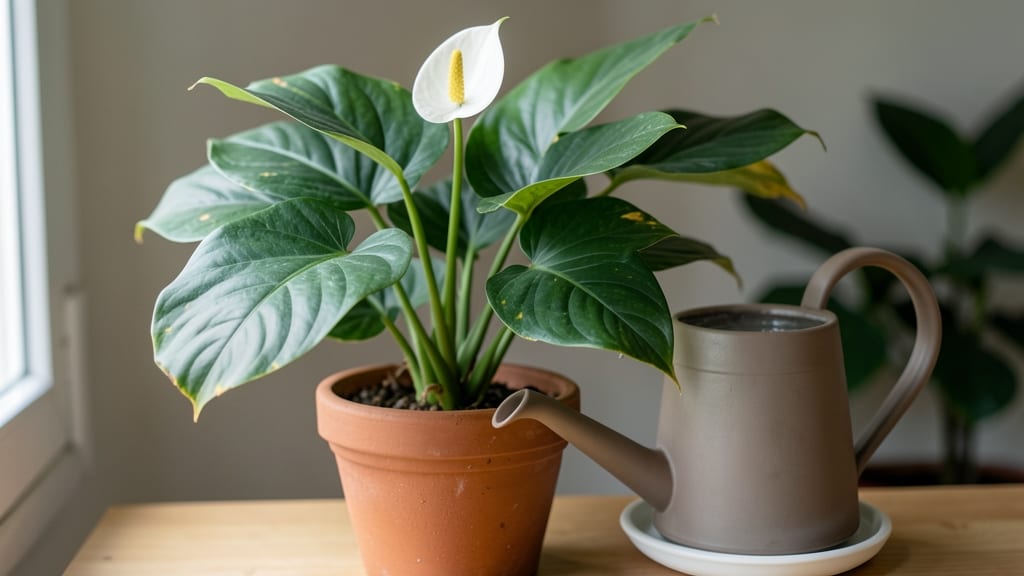
Watering your peace lily every 5 to 7 days keeps its glossy leaves thriving and prevents the dreaded droop that signals stress.
Struggling to keep your peace lily thriving? Overwatering or underwatering can cause those telltale droopy leaves—here’s the science-backed schedule to keep it lush year-round.
This tropical beauty 🌿 loves moisture but hates soggy roots, so the key is checking soil dampness before watering. In summer, you might need to hydrate more often, while winter slows its thirst down dramatically.
Below, I’ll break down the exact watering rhythm for each season, how to read your plant’s signals, and the one simple test that tells you whether it’s begging for water or drowning in it.
Peace lily watering schedule by season: when to hydrate for healthy growth
Peace lilies (Spathiphyllum) thrive on consistency—too much or too little water sends them into stress mode, often signaled by those classic droopy leaves. The key? Adjusting your watering routine with the seasons while paying attention to soil moisture and humidity levels. Indoor peace lilies, especially, need a delicate balance since their natural tropical habitat thrives on high moisture but well-draining soil.
Seasonal changes dramatically impact your watering frequency. In summer, heat and dry air mean more frequent watering, while winter slows growth, reducing the need for hydration.
Even indoor plants near drafty windows or HVAC vents will react differently. Let’s break down the science-backed schedule to keep your peace lily lush and blooming year-round.
🌿
In spring, your peace lily wakes up from dormancy, signaling it’s time to ramp up watering. Aim to water every 5-7 days, checking the top 1-2 inches of soil for dryness.
This season is perfect for increasing humidity with a pebble tray—fill a shallow tray with water and pebbles, then place your pot on top. The evaporating water creates a microclimate that mimics tropical conditions.
When summer arrives, your peace lily’s water needs double. Heat and dry air cause soil to dry out faster, so water every 3-5 days. Always water in the morning to prevent fungal growth from overnight moisture.
For indoor plants, misting leaves daily can make a huge difference, but avoid cold drafts from AC vents, which dry out foliage too quickly.
💧
As temperatures drop in fall, reduce watering to every 7-10 days. The plant’s growth slows, so it needs less frequent hydration. Cut back on misting but keep humidity moderate—grouping plants together helps retain moisture.
This is also the time to inspect your peace lily’s drainage holes; clogged holes trap excess water, leading to root rot.
Winter is the most critical season for underwatering. Your peace lily may look dormant, but its roots are still active. Water only when the top 3 inches of soil are completely dry, typically every 10-14 days.
Avoid placing it near heat sources like radiators, which dry out the air and soil. If your home is particularly dry, consider a small humidifier nearby or a humidity tray.
Pro tip: Always use room-temperature water to avoid shocking the roots. In winter, tap water can be too cold straight from the faucet, so let it sit for a few hours before watering. This small adjustment prevents stress and keeps your peace lily thriving through the colder months.
🌡️
Outdoor peace lilies need slightly different care. If your plant is outside in summer, monitor soil moisture more closely—potted plants dry out faster than in-ground ones. Mulch around the base to retain moisture and protect roots from temperature swings.
In winter, bring potted peace lilies indoors if temperatures drop below 45°F, as cold snaps can damage the plant.
Remember, the leaf droop test is your best friend. If leaves droop in the morning, it’s likely thirst. If they stay droopy all day, it might be overwatering. Adjust your schedule based on your plant’s response—every peace lily is unique, and your schedule may need tweaking over time.
The leaf droop test: how to tell if your peace lily needs water (or less)
Your peace lily's drooping leaves are its way of screaming for help—but is it thirsty or drowning? The key is the leaf droop test, a simple visual check that reveals whether your plant needs more water or a drying-out break.
Unlike succulents, peace lilies (Spathiphyllum) thrive on consistent moisture, but their roots rot quickly if overwatered. Let’s decode the signs so you can act fast.
Start by pressing your finger 1 inch deep into the soil. If it feels bone-dry, your plant is underwatered. But if it’s soggy or smells musty, you’ve overwatered it.
The droop alone isn’t enough—check the leaf color too. Yellowing leaves with mushy stems mean root rot, while crispy, brown edges signal dehydration. Here’s how to tell them apart:
💧 Peace Lily Watering Guide
- Water when top inch feels dry
- Use room-temperature water
- Ensure drainage holes in pots
- Water in morning (not evening)
- Check leaf firmness before watering
- Let soil stay soggy for days
- Use cold water from tap
- Ignore yellow leaves for weeks
- Water on a strict schedule (check soil first!)
- Repot without fresh, dry soil
Pro Tip: Peace lilies in low light need less water than those in bright indirect light.
To recover an overwatered peace lily, first remove it from its pot and inspect the roots. Healthy roots are white or light tan, while rotten ones are black and mushy. Snip off the bad roots with sterilized scissors, then repot in fresh, well-draining soil.
Water lightly only after 3-5 days to let wounds heal. For underwatered plants, soak the pot in room-temperature water for 10-15 minutes, then drain excess.
Prevent future stress by adjusting your watering routine based on your home’s humidity. In dry climates, mist leaves daily or place the pot on a pebble tray with water. In humid areas, reduce watering to every 10-14 days.
Always water until it drains from the bottom holes, then empty the saucer to avoid root suffocation. Consistency is key—peace lilies reward patience with glossy leaves and white blooms.
Pro Tip: Place your peace lily near a bathroom window or humidifier. The extra moisture mimics its tropical habitat and cuts watering needs by 30%. Just avoid drafts—cold air stresses roots, making them more prone to rot.
With this test, your peace lily will bounce back in 2-3 weeks and thrive for years.
Remember, peace lilies never like to be bone-dry, but they hate soggy soil even more. Stick your finger in the soil twice a week, and let the leaf droop test guide your next move. Your plant’s survival depends on this simple habit!