
Watering
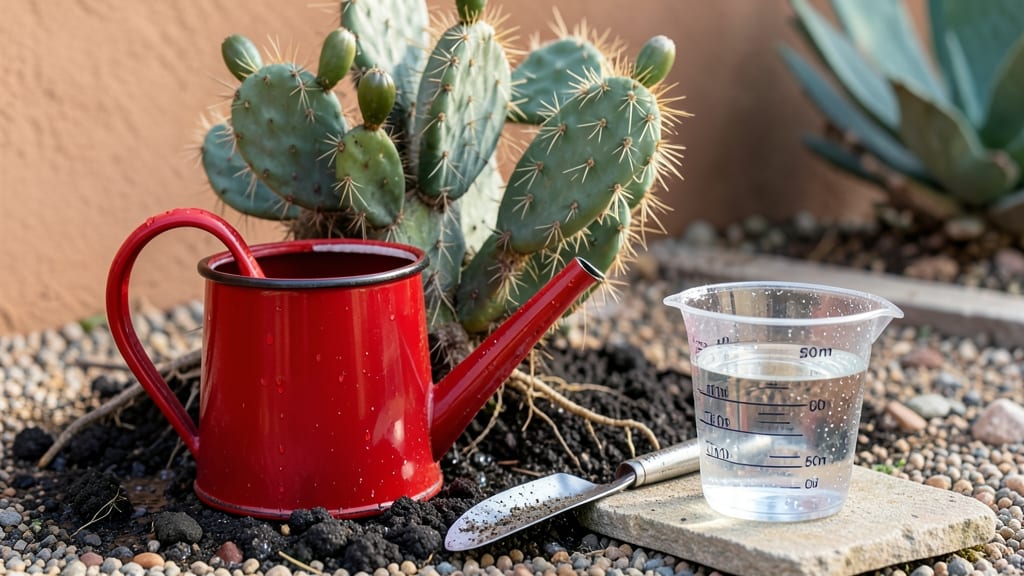
Watering a prickly pear cactus 🌵 too often or too little can turn your desert beauty into a sad, shriveled mess—so let’s get the schedule right.
If you’ve ever watched your pads pucker or rot from a misjudged watering, you know how critical timing is. These cacti thrive on neglect, not attention, and their survival depends on matching their water needs to the season and soil.
In this guide, I’ll break down the exact watering intervals for each season—from deep soaks in summer to barely anything in winter—plus how to tell if you’re overdoing or underdoing it.
You’ll learn how often to water based on your climate, soil type, and even whether your prickly pear is potted or planted in the ground. No guesswork, just a foolproof routine for happy, healthy pads year-round.
Prickly pear cactus watering schedule by season: desert survival guide
Mastering the prickly pear cactus watering schedule is the key to keeping your desert plant thriving. Unlike thirsty houseplants, these succulents store water in their pads (cladodes), making them incredibly drought-resistant. But even desert survivors need the right balance—too little water and they shrivel, too much and they rot.
Let’s break down the perfect seasonal watering routine tailored for both outdoor desert gardens and indoor pots.
Your prickly pear’s water needs shift dramatically with the seasons. In scorching summers, you might water once every 4-6 weeks, while cooler springs and falls call for more frequent but shallower drinks.
Winter? Nearly zero watering in frost-free zones. The trick is checking soil moisture before watering—stick your finger 2 inches deep into the soil. If it’s dry, it’s time; if damp, wait.
🌵 Pro Tip: Always water at the base of the plant, never on the pads. This prevents fungal infections and mimics natural desert rainfall. Use a soaker hose or drip irrigation for outdoor plants to deliver water directly to the roots without wetting the foliage.
For newly planted prickly pears, the first 4-6 weeks are critical. Water weekly to help roots establish, but reduce to every 2-3 weeks once they’re settled. Mature plants in well-draining desert soil often thrive with no supplemental watering during monsoon seasons, thanks to natural rainfall.
Watch for underwatering signs like wrinkled pads or sunken spots—these mean your plant is begging for hydration. Overwatering, however, shows up as yellowing pads, soft spots, or a foul odor from the soil.
If you spot these, stop watering immediately and let the soil dry out completely before trying again.
Container-grown prickly pears dry out faster than their outdoor counterparts. If your potted plant feels light when lifted (indicating dry soil), it’s time to water.
Use a terracotta pot for better drainage—these wick away excess moisture and prevent root rot. 💧 Bonus Tip: Add a layer of gravel or perlite to the bottom of the pot to improve airflow and drainage.
Adjust your schedule based on your local climate. Coastal areas with higher humidity may need slightly less water, while urban heat islands can dry out soil faster.
Always prioritize deep watering—a slow soak of 1-2 gallons once every few weeks beats frequent shallow drinks, which encourage weak root growth.
In Zone 8a or cooler, winter dormancy kicks in. Reduce watering to once a month or skip it entirely if temperatures stay above freezing. If frost is expected, move potted plants to a sheltered location or wrap them in burlap to protect them from cold snaps.
Remember, prickly pears are survivors. With the right watering schedule, your plant will reward you with vibrant green pads and delicious
Common watering mistakes that kill prickly pear cacti (and how to fix them)
Your prickly pear cactus might look tough, but it’s surprisingly sensitive to watering mistakes. Even desert plants need care—especially when it comes to moisture. I’ve seen root rot and sunburn turn vibrant pads into mushy or crispy messes, and I’m here to help you avoid those pitfalls.
Understanding these 5 deadly watering errors will keep your cactus thriving for years.
First, let’s tackle the biggest killer: overwatering. Most beginners drown their prickly pears thinking they need more hydration. But unlike tropical plants, these cacti store water in their pads and hate soggy soil.
Even a slight overwatering can trigger fungal infections or root rot, which spread fast and are nearly impossible to reverse. The fix? Let the soil dry out completely between waterings—stick your finger 2 inches deep into the soil. If it’s damp, wait.
⚠️ callout warning ⚠️
Established prickly pears need water every 2-4 weeks in warm months, but monthly or less in winter. Newly planted cacti require weekly watering for the first month to establish roots. Never water on a schedule—always check soil moisture first! Overwatering in winter (when growth slows) is the #1 cause of death.
🌵 Pro Tip: Use a moisture meter or the "finger test" to avoid guesswork.
Another silent killer is underwatering during extreme heat. While prickly pears love drought, they can still shrink or develop sunburn when stressed. If your cactus looks wrinkled or its pads feel soft and squishy, it’s begging for water—but not too much!
Give it a deep soak (1-2 gallons) and place it in partial shade for a few days to recover. This mistake is common in urban heat islands where temperatures spike unexpectedly.
Poor drainage is another hidden enemy. If your pot lacks drainage holes or you’re using heavy clay soil, water pools at the roots, causing root rot.
Fix this by repotting into a terracotta or ceramic pot with 3-4 drainage holes and mixing in perlite or pumice (20-30%) to improve airflow. Always use a cactus-specific soil mix—regular potting soil holds too much moisture.
Don’t ignore seasonal changes, either. In winter, many gardeners keep watering their prickly pears as usual, but this is a recipe for disaster. When temperatures drop below 50°F (10°C), reduce watering to once a month or even less in frost-free zones.
Your cactus enters dormancy, and excess water can rot its roots while it’s not actively growing. Observe your plant’s growth patterns—if new pads aren’t forming, it’s time to cut back.
Finally, overhead watering might seem harmless, but it’s a surefire way to invite pests and disease. Water always hits the pads, creating a damp environment where fungi and bacterial infections thrive.
Instead, water at the base of the plant using a slow drip or watering can with a narrow spout. This ensures moisture goes straight to the roots where it’s needed, not onto the sensitive pads.
After watering, let any excess drain out completely—never leave your cactus sitting in a saucer of water.