
How To
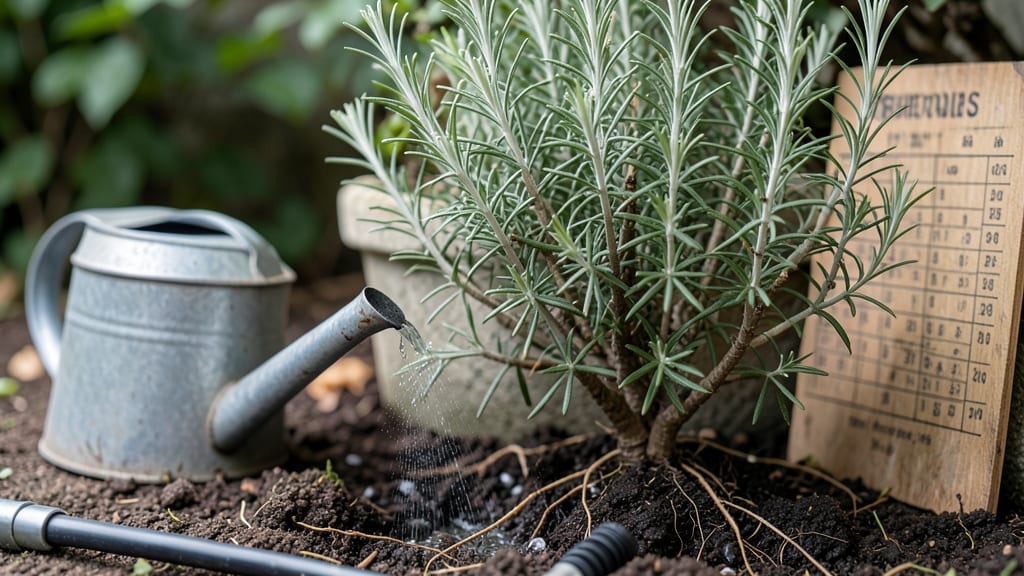
Watering rosemary often enough keeps it thriving—but too much water kills this drought-loving herb faster than a dry spell ever could.
Struggling to keep your rosemary plant alive? Overwatering or underwatering can both kill this drought-resistant herb—so timing is everything. Discover the foolproof method to water rosemary perfectly, every time.
Most gardeners water rosemary once every 1-2 weeks, but that’s just the starting point. Soil type, pot size, and even your local climate rewrite the rules. Sandy soil drains fast, while clay holds moisture too long—so how do you know when to water?
Below, I’ll break down the 1-2 inch dry-soil test, seasonal adjustments, and the telltale signs your rosemary is thirsty—or drowning. No more guesswork, just lush, fragrant stems.
The 1-2 inch dry-soil test: rosemary’s perfect watering schedule
Rosemary thrives on consistent moisture—but not soggy soil. The 1-2 inch dry-soil test is my go-to method to avoid both underwatering and overwatering. This Mediterranean herb stores water efficiently, so less frequent watering actually encourages deeper root growth.
Let’s master this simple test to keep your rosemary lush and healthy.
Start by sticking your finger 1-2 inches deep into the soil near your rosemary’s base. If the soil feels completely dry at this depth, it’s time to water.
If it’s still slightly damp, wait another day or two. This method prevents the root rot that kills many rosemary plants—especially in containers where drainage is critical.
Why this test works: Rosemary’s native habitat is dry, rocky Mediterranean soil. Mimicking these conditions means watering deeply but infrequently. The 1-2 inch rule ensures water penetrates the root zone without lingering at the surface, where it causes rot. For potted rosemary, this test is even more crucial since pots dry out faster.
🌱
| Season | Soil Condition | Watering Frequency | Notes |
|---|---|---|---|
| Spring | 1-2" dry | Every 5-7 days | Active growth phase; monitor soil closely |
| Summer | 1-2" dry | Every 7-14 days | Heat increases evaporation; water deeply |
| Fall | 1-2" dry | Every 10-14 days | Growth slows; reduce frequency |
| Winter | 2" dry | Every 3-4 weeks | Dormant phase; minimal water needed |
| Potted | Top 1" dry | Every 3-5 days | Containers dry faster; check daily in heat |
Seasonal adjustments are key to rosemary care. In spring, your plant will need more frequent watering as new growth demands moisture.
Aim for every 5-7 days when the top 1-2 inches feel dry. Summer heat means watering every 7-14 days, but always check soil first—midday wilting is a sign of thirst, not overwatering.
Fall signals a shift toward dormancy. Reduce watering to every 10-14 days as growth slows. By winter, most rosemary enters dormancy, needing water only every 3-4 weeks. The 2-inch dry test becomes your winter guide—wait until soil is thoroughly dry before watering again.
For potted rosemary, the rules change slightly. Containers dry out faster, so check the top 1 inch of soil daily in hot weather. Water every 3-5 days when dry, but always ensure pots have drainage holes.
Without them, root rot becomes a real risk. Pro tip: Use terracotta pots—they wick away moisture faster than plastic.
Morning watering is my top recommendation. Watering in the early morning (before 10 AM) gives roots time to absorb moisture before the daytime heat evaporates it. Avoid evening watering—wet foliage overnight invites fungal diseases like powdery mildew.
If you must water in the evening, do so at least 3 hours before sunset.
Watch for visual cues that confirm your watering routine. Healthy rosemary has upright, woody stems and deep green, fragrant leaves. If leaves turn yellow or brown at the tips, you’re likely overwatering. Wilting in the afternoon?
That’s underwatering. Adjust your schedule based on these signs—your rosemary will thank you with abundant growth and intense aroma.
💧
Signs you’re watering rosemary wrong (and how to fix it)
Rosemary is famously drought-resistant, but even this hardy herb can suffer when watering goes wrong. Yellowing leaves or mushy stems often signal trouble—but figuring out whether you're underwatering or overwatering can be tricky. The key lies in observing subtle differences in the plant's appearance and soil condition.
For example, crispy, brown leaf edges usually mean underwatering, while soft, yellow leaves with a soggy base point to overwatering. Both extremes stress rosemary, but the fixes couldn't be more different. Let's decode these symptoms so you can rescue your plant before it's too late.
⚠️ How Often to Water Rosemary?
Mature rosemary:
- 🌱 Every 1-2 weeks in well-draining soil
- 💧 Deep soak until water runs through drainage holes
- ☀️ Morning watering prevents fungal growth
Seedlings:
- 🌱 Every 5-7 days (keep soil consistently moist)
- 💧 Avoid soggy soil—root rot kills fast!
Winter care:
- 🌡️ Monthly watering (soil stays drier in cold months)
- 🌧️ Adjust for rain—check soil before watering
If your rosemary shows yellowing leaves but the soil feels dry, you're likely underwatering. Brown, crispy tips confirm this—rosemary reacts to thirst by shedding moisture from its edges. The fix?
Water deeply until 1-2 inches of soil are moist, then let it dry out again. Morning watering reduces evaporation and gives leaves time to dry before nightfall.
On the flip side, mushy stems or moldy soil scream overwatering. Rosemary roots suffocate when soggy, leading to root rot. Stop watering immediately and let the soil dry completely. Repot in fresh, gritty soil (mix in perlite or sand) to improve drainage.
If the plant looks sad but the soil is damp, it's a clear sign you've been overdoing it.
Another red flag? Wilting despite moist soil. This often means the roots can't absorb water due to compacted soil or poor drainage. Loosen the soil around the roots and ensure your pot has drainage holes. For ground-planted rosemary, amending the soil with compost improves aeration and water flow.
Don’t ignore white or black spots on leaves—these are signs of fungal issues from overwatering. Prune affected leaves immediately and space waterings further apart. Air circulation is your friend: trim back nearby plants to let rosemary breathe.
If you're growing rosemary in pots, make sure the container is at least 12 inches wide to prevent waterlogging.
Remember, rosemary thrives on consistency. Whether you're underwatering or overwatering, the solution starts with observation and adjustment. Stick to the 1-2 inch dry-soil rule, and your rosemary will reward you with fragrant, healthy growth all season long. 🌿