
Plants
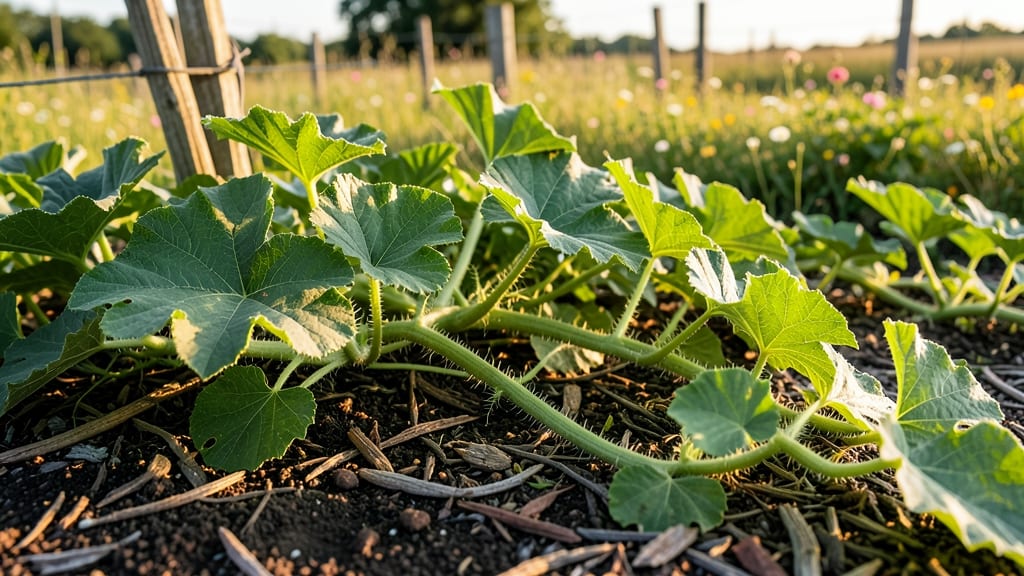
Watermelon plants grow between 1 and 2 feet tall but spread vines up to 20 feet long, making space planning the key to success for small gardens.
If you’ve ever dreamed of growing juicy watermelons but worry about space constraints, you’re not alone—watermelon vines can sprawl up to 20 feet long! But don’t let limited yard space stop you; the right variety and growing techniques can turn even a tiny balcony or patio into a melon-producing oasis.
Traditional watermelon varieties like 'Yellow Doll' stretch their vines 10 to 12 feet, while compact types such as 'Sugar Baby' stay under 3 feet in height and spread only 3 to 5 feet. This makes them perfect for containers or small garden plots.
Below, I’ll break down the best space-saving varieties, how to train vines vertically, and tips to maximize yield without sacrificing your garden’s layout. Ready to grow melons without the sprawl?


Watermelon plant height and vine length: standard vs. compact varieties
Watermelon vines are famous for their sprawling growth habits, but not all varieties behave the same way. Standard watermelon plants can send out vines that stretch 10 to 20 feet long, while their plant height stays modest at just 1 to 2 feet tall.
This sprawling nature makes them ideal for large gardens but challenging for smaller spaces. The key difference lies in the vine length, which directly impacts how much space you’ll need to dedicate to your watermelon patch.
If you’re working with limited space, compact or dwarf watermelon varieties are your best bet. These varieties typically grow 3 to 6 feet in vine length and maintain a similar height of 1 to 3 feet.
While they may produce smaller fruits, they’re perfect for containers, raised beds, or even small backyard gardens. Choosing the right variety can mean the difference between a sprawling jungle and a neatly contained harvest.
Here’s a quick comparison to help you visualize the differences between standard and compact watermelon varieties:
| Variety Type | Vine Length | Plant Height | Fruit Size | Best For |
|---|---|---|---|---|
| Standard Varieties | 10–20 ft | 1–2 ft | Large (10–30 lbs) | Large gardens, farms |
| Semi-Dwarf Varieties | 5–8 ft | 2–4 ft | Medium (5–15 lbs) | Raised beds, small yards |
| Dwarf/Compact Varieties | 3–6 ft | 1–3 ft | Small (1–5 lbs) | Containers, patios, balconies |
For example, popular standard watermelon varieties like 'Crimson Sweet' or 'Charleston Gray' thrive in open spaces but require ample room to sprawl. In contrast, compact varieties like 'Sugar Baby' or 'Tiny Tim' are designed to stay contained, making them perfect for container gardening or small urban plots.
Even in tight spaces, these varieties can produce delicious, bite-sized melons with minimal fuss.
Vine length also affects how you plan your garden layout. Standard varieties need at least 10 feet of space per plant to spread out comfortably, while compact varieties can thrive in just 3 to 5 feet of space.
This makes them ideal for interplanting with other crops like beans or lettuce, which can grow well in the shade of the watermelon vines. Just be sure to leave enough room for airflow to prevent diseases like powdery mildew.
Another factor to consider is how vine length impacts fruit production.
Longer vines often support larger fruits, but they also require more nutrients and water to sustain their growth. Compact varieties, while producing smaller melons, may yield more consistently in limited spaces because they’re less stressed by competition for resources.
If you’re growing watermelons in containers, opt for dwarf varieties—they’ll be easier to manage and still deliver a satisfying harvest.
If you’re unsure which type to choose, start with a mix of both. Plant a few standard varieties in your garden beds for larger melons and add compact varieties in containers or along fences for convenience.
This way, you get the best of both worlds: big melons and easy access. Just remember to give each plant the space it needs to thrive, and don’t be afraid to experiment with different varieties to see what works best in your garden.
One common misconception is that shorter vines mean smaller yields, but that’s not always true. With proper care—including consistent watering, balanced fertilization, and adequate sunlight—even compact varieties can produce a surprising number of melons.
The key is to choose the right variety for your space and give it the attention it deserves. Whether you’re a seasoned gardener or a beginner, watermelons are a rewarding crop to grow, no matter how much space you have.
For those with vertical gardening space, training watermelon vines upward can also help manage their sprawl. Using trellises or cages, you can guide the vines to grow vertically, saving space while still allowing them to produce fruit.
This technique works best with semi-dwarf or compact varieties, but even standard varieties can benefit from a little upward encouragement. Just be gentle with the vines to avoid damaging them, and always provide support as they grow.
In summary, the height and vine length of your watermelon plants will dictate how you plan your garden. Standard varieties need room to roam, while compact varieties are perfect for small spaces.
By understanding these differences, you can create a watermelon-growing strategy that works for your unique situation—whether that’s a sprawling backyard or a cozy balcony. Happy gardening! 🍉
Best space-saving watermelon varieties for small gardens and containers
Growing watermelons in small spaces is absolutely possible when you choose the right compact varieties. Most traditional watermelons sprawl 10-20 feet, but these space-saving options stay under 3-6 feet while still producing delicious fruit.
My favorite for containers is 'Sugar Baby', which matures in just 70 days and fits perfectly in a 5-gallon bucket.
If you're working with a raised bed, try 'Tiny Tim'—it grows only 2-3 feet tall with vines reaching 3-4 feet. Even better, it produces 4-8 pound melons perfect for one or two people.
For a slightly larger harvest, 'Black Diamond' is another excellent choice, staying under 5 feet while yielding 8-10 pound fruits.
| Variety | Mature Height | Vine Length | Fruit Size | Days to Maturity | Best For |
|---|---|---|---|---|---|
| Sugar Baby | 1-2 ft | 3-5 ft | 4-8 lbs | 70-75 days | Containers, Balconies |
| Tiny Tim | 2-3 ft | 3-4 ft | 4-8 lbs | 70-75 days | Raised Beds, Small Gardens |
| Black Diamond | 2-3 ft | 4-5 ft | 8-10 lbs | 75-80 days | Balconies, Trellises |
| Crimson Sweet | 1-2 ft | 5-6 ft | 10-15 lbs | 80-85 days | Vertical Training |
| Yellow Doll | 1-2 ft | 3-4 ft | 3-5 lbs | 65-70 days | Containers, Small Spaces |
For container gardening, prioritize varieties with the shortest vine lengths like 'Yellow Doll' or 'Sugar Baby'. Use containers with at least 5 gallons of soil and ensure they have drainage holes.
Place them in a location with full sun exposure—at least 6-8 hours daily—to maximize fruit production.
If you're growing in a raised bed, you can fit 2-3 plants in a 4x8-foot bed by spacing them 3-4 feet apart. For vertical gardening, train vines up a trellis or A-frame structure to save even more space.
Just remember that pruning side shoots will help direct energy to fruit production rather than excessive vine growth.
All these compact varieties thrive in warm climates (USDA zones 4-10) and need well-draining soil with plenty of organic matter. I’ve found that adding compost or aged manure at planting time gives my small watermelons a great start.
Water consistently—about 1-2 inches per week—and avoid wetting the leaves to prevent disease.
With the right variety and a little creativity, you can enjoy homegrown watermelons even in the smallest of spaces! Start with 'Sugar Baby' or 'Tiny Tim' for foolproof results, and don’t forget to save seeds from your best melons for next year’s harvest. 🍉