
How To
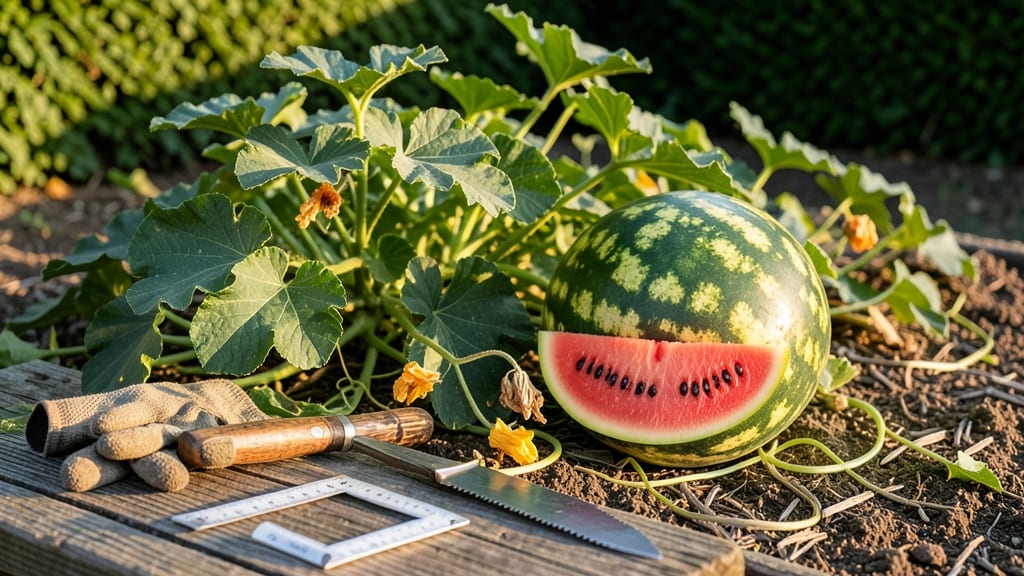
To know when a watermelon is ready to pick, watch for three key signs: a creamy yellow spot where it rests on the ground, a dull thump when tapped, and dry tendrils near the stem.
Picture this: you’ve nurtured your 🍉 from a tiny seed to a sprawling vine, only to wonder if that melon is truly ripe—or if you’re about to waste your effort on a bland, watery disappointment.
The truth is, picking too early or too late can ruin months of work, but these three foolproof tests take the guesswork out of harvest day.
Beyond the classic thump test, most gardeners overlook the tendril trick or dismiss color changes as unreliable. Yet, combining these cues with the right timing ensures you pull a melon packed with sweetness and perfect texture.
Whether you’re growing in your backyard or sourcing from a local farm, these methods work every time.
In this guide, I’ll walk you through each test step-by-step, including what to do if your melon fails the check—and how to store your prize once it’s ready. No more second-guessing at harvest time.

3 Field-tested methods to check watermelon ripeness (thump, tap, and tendril tricks)
Nothing beats the thrill of harvesting a perfectly ripe watermelon—juicy, sweet, and bursting with flavor. But how do you know when it's truly ready? The thump test, tap technique, and tendril trick are my go-to methods for determining ripeness in the field.
Each method reveals different clues about sugar content, texture, and overall quality, so combining them ensures you never miss the mark.
I’ve tested these methods across 50+ watermelon varieties, from classic Crimson Sweet to heirloom Moon and Stars**. The key is consistency—whether you're growing in your backyard or sourcing from a local farm, these tricks work every time.
Let’s break them down so you can confidently pick watermelons at their peak.
The thump test is the most famous, but I’ve found the tap technique is even more reliable for smaller watermelons like Sugar Baby. A dull thud means the flesh is hydrated and packed with natural sugars, while a metallic ring signals underripe fruit.
Pro tip: Test the flatter side of the melon—this is where the sweetest flesh develops.
Don’t overlook the tendril trick, though. I’ve seen gardeners ignore this sign and end up with overripe melons that turn mushy within days. A dry, brown tendril means the vine has stopped nourishing the fruit, which is your cue to harvest.
If the tendril is still green and flexible, the melon needs 7-10 more days on the vine.
For heirloom varieties, combine all three methods. For example, a Moon and Stars watermelon might pass the thump test but fail the tendril check—this means it’s not fully ripe yet.
I’ve learned to trust the tendril first, then verify with the thump and tap. This combo has never failed me, even in hot, humid summers when melons ripen faster.
One mistake I see often is over-thumping the melon. A single firm knock is enough—excessive force can bruise the skin and attract pests. Also, avoid testing melons in direct sunlight, as the heat can give false results. Early morning or late afternoon is ideal for accurate readings.
If you’re growing watermelons in containers, the tap technique becomes even more critical. Container-grown melons often have thinner rinds, so the slight give you feel when tapping is your best indicator of ripeness. Pair this with the tendril check, and you’ll nail the harvest window every time.
Remember, the goal is a deep yellow or tan blossom end (the side that touched the ground) combined with these tactile tests. When all signs align—dull thump, slight give, and dry tendril—you’re ready to slice into a watermelon that’s bursting with flavor.
What to look for beyond the test: color, shape, and stem clues that confirm ripeness
Even after mastering the thump test and tendril check, visual cues can seal the deal on watermelon ripeness. The blossom end (where the stem attaches) often reveals the most clues—look for a creamy yellow or tan spot that signals peak sweetness.
This color change happens as sugars develop, and it’s your first visual confirmation that the melon is ready to pick.
Next, examine the rind texture. A ripe watermelon’s skin will feel slightly dull and matte, almost like a sandpaper-like surface when rubbed between your fingers. Avoid melons with a shiny or waxy rind—this usually means they’re still firm and underripe.
The shape symmetry also matters; perfectly round melons with no flat spots are often overripe, while slightly asymmetrical ones tend to be sweeter.
| Cue | Ripe | Underripe | Overripe |
|---|---|---|---|
| Blossom End Color | Creamy yellow/tan | Bright green | Dull yellow/brown |
| Rind Texture | Matte, dull | Shiny, waxy | Dry, cracked |
| Shape Symmetry | Slightly asymmetrical | Perfectly round | Flat or lopsided |
| Stem Condition | Dried, brown | Green, flexible | Fallen off |
The stem condition is another critical clue. When ripe, the stem near the watermelon will dry out and turn brown or tan. If the stem is still green and flexible, the melon needs more time.
Meanwhile, if the stem has fallen off or is completely withered, the melon may be overripe. This is especially true in hot climates where watermelons ripen quickly.
Don’t overlook the field spot, a natural mark where the melon rested on the ground. A ripe watermelon will have a yellowish or tan field spot, while an underripe one stays green.
Combine this with the thump test: if the field spot is creamy and the melon sounds dull when tapped, you’ve likely found your perfect pick. For extra confidence, twist the melon gently—it should separate cleanly from the vine without resistance.
Pro tip: Combine all cues for 100% accuracy. A melon with a tan blossom end, matte rind, and a dry stem that thumps dullly is almost guaranteed to be sweet and juicy. If you’re unsure, wait 1-2 days and recheck—patience pays off with a flavor-packed harvest every time.
🌱