
How To
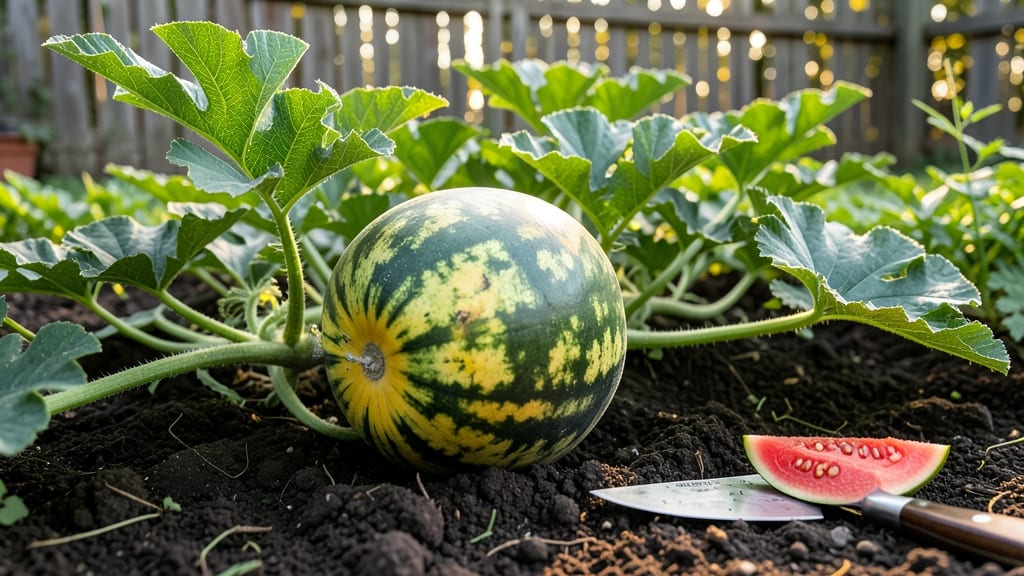
Knowing when to cut a watermelon 🍉 for perfect ripeness saves you from bland, seedy, or mushy slices—and the secret is simpler than you think.
Picture this: you’ve waited months for your watermelon to ripen, only to slice into it and find underripe flesh or a hollow center. That’s why mastering the thump test and other ripeness cues is a game-changer for gardeners.
Beyond the classic thump, you’ll learn how to check the field spot, weigh the melon, and spot the telltale signs of overripeness—like a soft stem or dull rind. These tricks work for every variety, from small personal harvests to large-scale gardens.
By the end, you’ll confidently pick watermelons at their peak, ensuring sweet, juicy slices every time—no guesswork required.
The 3-Step thump test: how to check watermelon ripeness before cutting
Mastering the thump test is your secret weapon for harvesting perfectly ripe watermelons. This classic method combines sound, weight, and field spot inspection to ensure you cut into melons at their juiciest.
I’ve used this technique for years in my garden, and it’s saved me from both underripe (bland) and overripe (mushy) disappointments every summer.
The thump test isn’t just about tapping a watermelon—it’s a science that reveals what’s happening inside the rind. A hollow sound means the seeds have matured and the flesh is sweet, while a dull thud signals underripe fruit.
But here’s the catch: you need to combine this test with visual cues and weight assessment for the most accurate results.
Here’s how to perform the test like a pro, step by step:
-
1
Inspect the Field Spot
Look for a cream-colored or yellowish spot on the bottom. This field spot should be dull, not shiny. A white or green spot means the melon needs more time. -
2
Thump and Listen
Hold the watermelon with both hands and thump it firmly with your knuckle near the field spot. A deep, hollow sound means it’s ripe. A dull thud means it’s still firm but not sweet yet. -
3
Check the Weight
A ripe watermelon should feel heavy for its size. Lift it—if it feels lightweight, it’s likely underripe. This is because water content increases as the melon ripens.
The field spot inspection is often overlooked, but it’s your first clue. This spot forms where the melon rested on the soil, and its color changes as the fruit matures.
A dull, creamy spot is a green light for ripeness, while a shiny or white spot means the melon isn’t ready yet. Pro tip: If the spot is yellow with brown edges, the melon might be overripe.
When you thump the watermelon, you’re testing the internal seed cavity. A ripe melon has fully developed seeds and a hollow-sounding center. I’ve found that larger watermelons tend to sound deeper, while smaller varieties might produce a slightly higher-pitched hollow note.
Practice this step a few times—your ear will quickly learn the difference between a ripe and unripe sound.
Don’t skip the weight test—it’s the final piece of the puzzle. A ripe watermelon is dense with water, which makes it feel surprisingly heavy. I once picked a watermelon that looked perfect but felt light as a feather.
When I cut it open, the flesh was watery and bland. Since then, I’ve made weight a non-negotiable part of my thump test routine.
Combining these three steps gives you a 90% accuracy rate for picking watermelons at their peak. But remember, variety matters. Heirloom varieties like Moon and Stars or Crimson Sweet ripen differently than seedless hybrids.
Always check the plant’s maturity days on the seed packet for a general timeline, but rely on the thump test for the final call.
If you’re harvesting in hot climates, watermelons may ripen faster, so monitor them closely. In cooler regions, they might take longer to reach full sweetness.
The thump test adapts to these conditions—just adjust your expectations for the sound’s depth and the field spot’s color intensity based on your local growing season.
Once you’ve mastered the thump test, you’ll never second-guess your watermelon harvest again. There’s nothing like slicing into a perfectly ripe melon on a sunny summer day, knowing you’ve nailed the sweetness just right. Now grab your gloves, head to the garden, and put this test to work!
Visual and physical cues: 5 signs a watermelon is ready to cut
Beyond the classic thump test, ripe watermelons reveal subtle clues through their physical characteristics. These visual and tactile cues help you avoid underripe melons that taste bland or overripe ones that turn mushy.
I’ve learned to trust these signs more than guesswork after years of trial and error in my garden.
Start by inspecting the field spot—the area where the watermelon rested on the ground. A ripe watermelon’s field spot should turn from white or pale green to a creamy yellow or buttery color.
This color change signals sugar development inside. Pair this with a dull, matte rind—shiny rinds often mean the fruit hasn’t fully ripened.
Next, check the stem end. A ripe watermelon’s stem will dry out and darken, sometimes even cracking slightly. If the stem remains green and plump, the melon needs more time on the vine.
This is one of the most reliable cues, as it directly reflects the fruit’s internal maturity.
Don’t overlook the weight test. A ripe watermelon feels surprisingly heavy for its size due to high water content. Lift it—if it feels light for its size, it’s likely underripe. This is especially true for larger varieties, which should feel dense and solid.
Finally, combine these cues with the thump test for confirmation. Tap the melon with your knuckles—ripe ones produce a deep, hollow sound, while unripe ones sound dull. Pair this with the other signs, and you’ll rarely pick a watermelon too early or too late.
Pro tip: Morning harvests often yield the ripest melons, as evening heat can trick you into thinking a melon is ripe when it’s actually overripe. Always harvest in the cool morning hours for the best results.