
How To
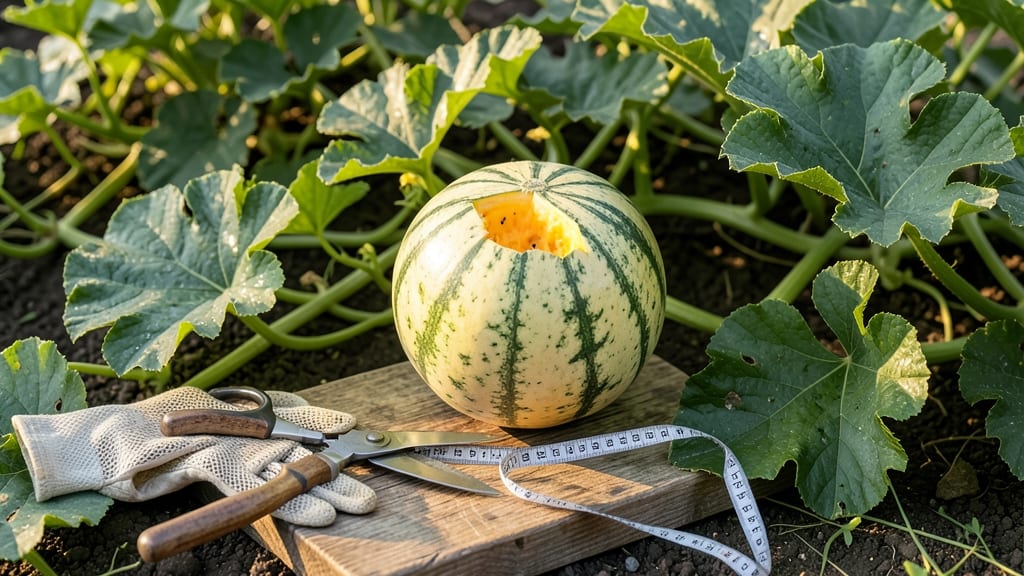
To pick a yellow watermelon at its peak ripeness, focus on the cream-colored spot where it rests on the ground—this is your best clue for sweetness 🍉.
Yellow watermelons are a sweet, exotic twist on the classic fruit—but picking the perfect one at the market or farm stand requires more finesse than their green-skinned cousins. One wrong choice and you’ll end up with a bland, underripe melon, or worse, a mealy disappointment.
Unlike traditional watermelons, yellow varieties don’t rely on rind color alone. Instead, you’ll need to check for a firm, heavy feel, a deep thump when tapped, and a stem that’s dried to a crisp. These tricks ensure you bring home a melon packed with flavor, not regret.
Below, I’ll walk you through the three field-tested tricks to spot a ripe yellow watermelon every time—plus how to avoid the common mistakes that leave gardeners with less-than-sweet results.

3 Field-tested tricks to identify ripe yellow watermelon
Yellow watermelons hide their ripeness better than their green-skinned relatives because their pale rinds lack the classic color contrast. Without the familiar green-to-white transition, you’ll need to rely on tactile and visual cues that most gardeners overlook.
The good news? These three science-backed tricks will help you pick a sweet, juicy yellow watermelon every time—no guesswork required.
First, forget everything you know about green watermelons. The cream-colored ground spot (where the melon rests on the soil) is your best clue for yellow varieties. This spot should be bright yellow or tan, not green or white.
For yellow-fleshed melons, this color shift signals full sugar development and peak ripeness. If you’re shopping at a market, flip the melon over to check this spot—it’s often hidden from view.
How to Pick Yellow Watermelon: 3 Pro Tips
-
1. Check the Ground Spot
Look for a cream or yellow patch where the melon touches the ground. This spot should be bright and uniform, not dull or patchy. -
2. Master the Thump Test (Yellow Edition)
Tap the melon with your knuckles—ripe yellow watermelons produce a deep, hollow "thud". A dull or high-pitched sound means it’s underripe. Pro tip: Press your thumb into the rind—it should yield slightly but not dent deeply. -
3. Inspect the Stem
The stem near the fruit should be dry, brown, and slightly shriveled. If it’s still green or moist, the melon isn’t ready. For market-bought melons, check the stem attachment point—it should look weathered, not fresh.
💡 Bonus: Lift the melon—ripe ones feel heavy for their size due to high water and sugar content.
Next, move beyond the basic thump test. Yellow watermelons often produce a softer thud than green varieties, so listen for a low, resonant tone rather than a sharp echo. Press your thumb into the rind—it should give slightly (like pressing a ripe avocado) but not feel mushy.
Overripe melons will dent easily, while underripe ones feel rock-hard. This tactile check is especially critical for yellow varieties, which can fool you with their deceptive firmness.
The stem is another secret weapon for spotting ripe yellow watermelons. Unlike green varieties, where the stem might still look alive, yellow watermelons show ripeness through a dry, papery stem near the fruit.
If you’re at a farm stand, ask the vendor to cut the stem—it should snap easily and reveal a dull, brown interior. In stores, look for a stem that’s shriveled and cracked, which indicates the melon has been on the vine long enough to sweeten.
Don’t ignore the overall color of the rind, either. While yellow watermelons lack the bold stripes of green types, their rinds should be uniform and deep in hue. Avoid melons with green patches or uneven coloring, as these often signal underripeness.
Instead, seek out fruits with a matte, consistent yellow or pale tan color—this suggests even sugar distribution and peak flavor.
For an extra layer of confidence, use the "lift test". Pick up the melon and compare its weight to its size. A ripe yellow watermelon should feel surprisingly heavy for its dimensions, thanks to its high water and sugar content.
If it feels light, it’s likely underripe. This trick works especially well for smaller yellow varieties, like 'Yellow Doll,' which can be deceivingly light when unripe.
One common mistake is assuming all yellow watermelons ripen the same way. Yellow Crimson and Moon and Stars varieties, for example, develop a cream-colored ground spot but may retain some green streaks on the rind.
Focus on the ground spot’s intensity rather than the overall color. If the spot is pale and dull, the melon needs more time on the vine.
Finally, trust your nose. A ripe yellow watermelon should emit a sweet, floral aroma near the stem. Sniff the blossom end (the side with the stem)—if it smells faintly sweet or musky, it’s a good sign.
A lack of scent usually means the melon is underripe. This sensory check is your last line of defense before making the purchase.
With these three tricks—ground spot inspection, thump test mastery, and stem analysis—you’ll never second-guess a yellow watermelon again.
The next time you’re at the market, grab one that checks all the boxes, and prepare for a burst of sweet, golden perfection that’ll make traditional green watermelons feel like a distant memory. Happy harvesting! 🌱
Why traditional watermelon picking tips fail for yellow varieties
When I first tried picking yellow watermelons, I made the classic mistake of relying on the same tricks I used for green-fleshed varieties. The thump test and rind color cues just didn’t apply—and I ended up with a few disappointingly bland melons.
The problem? Yellow varieties lack the dark green rind that signals ripeness in traditional watermelons.
Most gardeners learn to look for a cream-colored spot on the ground side of a watermelon, but this trick fails when the rind itself is pale yellow or tan.
Without that contrast, the ground spot blends in, making it nearly invisible. Even the thump test becomes unreliable because yellow-fleshed watermelons often have softer rinds at maturity.
Common Mistakes That Waste Your Time
- Ignoring ground spots: Yellow rinds hide the cream-colored ripeness indicator—look for a slightly paler patch instead.
- Misinterpreting thump sounds: Yellow varieties often sound dull even when ripe—focus on weight and firmness.
- Relying on rind hardness: Overripe yellow watermelons get soft and mushy, not just firm.
Here’s the real issue: yellow watermelons mature differently. Their rind stays pale even when ripe, and their interior flesh develops a golden hue that’s harder to predict from the outside.
I’ve seen gardeners assume a dull thump means the melon is underripe, when it’s actually a sign of optimal sugar development.
Another pitfall is stem color. With green watermelons, a dry brown stem signals ripeness, but yellow varieties often have green stems that stay alive longer. Instead, check for wrinkled stem tissue near the fruit—this is your best clue that the sugar conversion is complete.
To avoid these mistakes, I now focus on three key adjustments:
- Examine the ground side for a slightly paler patch (not always cream-colored).
- Lift the melon—ripe yellow watermelons feel heavy for their size.
- Press gently—the rind should yield slightly under pressure, not feel rock-hard.
Yellow watermelons reward patience, but skipping these adjustments means you’ll miss out on their sweet, honey-like flavor. Next time you’re at the farmers' market, try these tricks—and save yourself from another mealy disappointment. 🌱