
How To
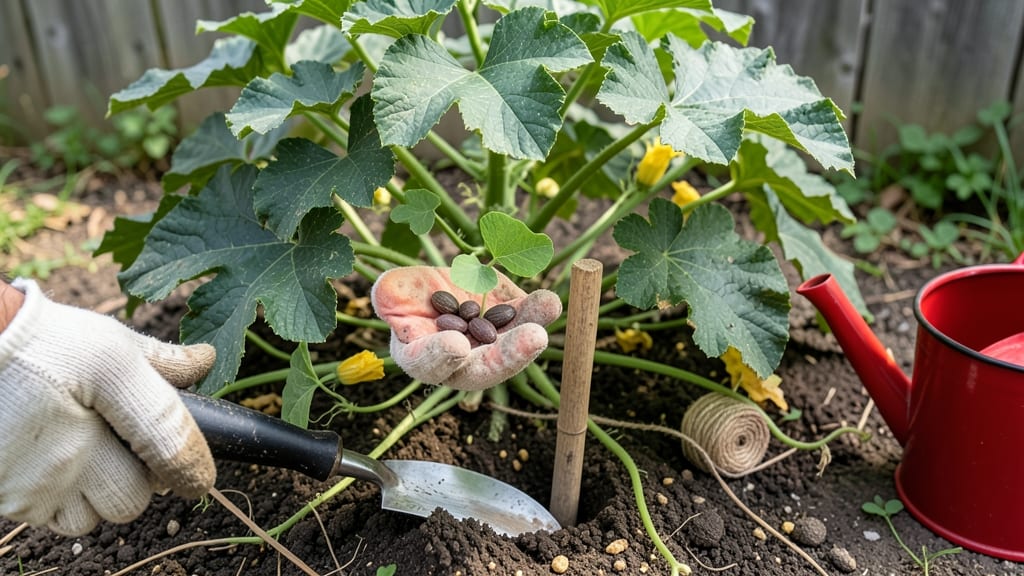
To plant watermelon seeds successfully, start by waiting until the soil reaches at least 70°F—that warmth is what triggers fast germination.
Struggling to get your watermelon seeds to sprout? The secret isn’t just patience—it’s understanding how soil warmth triggers germination, which can cut your waiting time in half. In Zone 6, that means waiting until late spring after your last frost, typically around April 15.
Watermelons are warm-season plants, and planting too early in cool soil leads to slow or failed sprouts. Once the ground is ready, dig small holes about 1 inch deep and place one or two seeds per spot, spacing them 6 feet apart for vines to spread.
Below, I’ll walk you through the exact steps—from soil prep to watering tips—to ensure your 🍉 seeds germinate quickly and grow into thriving plants. Ready to skip the guesswork and get those seeds sprouting?
Optimal soil temperature and depth for watermelon seed germination
Watermelon seeds need warm soil to germinate quickly, and getting this right can mean the difference between fast, healthy sprouts and weeks of waiting. The ideal soil temperature range for watermelon germination is between 65°F and 90°F, with 75°F (24°C) being the sweet spot for most varieties.
If your soil is too cold, seeds may rot or simply refuse to sprout, while temperatures above 90°F can stress seedlings before they even emerge.
Most gardeners in USDA Zone 6 or warmer can plant watermelon seeds directly outdoors once daytime soil temperatures consistently reach 70°F or higher. For cooler climates, starting seeds indoors with a seedling heat mat (set to 80-85°F) can give you a head start.
I’ve found that using a simple soil thermometer is the easiest way to monitor temperatures—just insert it 2 inches deep where you plan to plant.
Here’s how to test your soil temperature before planting:
| Requirement | Specification | Action |
|---|---|---|
| Soil Temperature | 65°F–90°F (ideal: 75°F) | Use a soil thermometer 2" deep |
| Planting Depth | ½–1 inch deep | Press seeds lightly into soil |
| Germination Time | 5–10 days (warmer = faster) | Keep soil moist but not soggy |
| Soil Moisture | Consistently damp | Water gently after planting |
| Sunlight | Full sun (6+ hours/day) | Choose a warm, sunny spot |
The depth of planting is just as critical as temperature. Watermelon seeds should be planted ½ to 1 inch deep—any deeper, and they may struggle to push through the soil.
I’ve noticed that larger seeds (like heirloom varieties) often need the full 1-inch depth, while smaller hybrid seeds can sometimes sprout faster if planted just ½ inch deep. After planting, gently press the soil around the seeds to ensure good contact, but avoid compacting it too tightly.
If you’re planting in cooler spring conditions, consider using black plastic mulch or clear plastic tunnels to warm the soil faster. I’ve had great success with row covers in early May, which can raise soil temperatures by 5–10°F within days.
For container growers, use black pots or place containers on dark-colored surfaces (like black plastic) to absorb and retain heat. This trick is especially useful if you’re starting seeds in Zone 5 or colder.
One common mistake I see is assuming that air temperature equals soil temperature. A 70°F afternoon might feel warm, but if the soil hasn’t absorbed that heat, your seeds could still be in the 50s°F range.
To speed up warming, water the soil with lukewarm water (not hot) a day before planting. This helps raise the soil temperature by a few degrees and keeps it moist for germination. Just avoid overwatering, as soggy soil can lead to rot or fungal issues.
Once your seeds sprout, keep the soil temperature between 70°F and 85°F for the first 2–3 weeks to encourage strong seedling growth. If nighttime temperatures drop below 60°F, use a cloche or row cover to protect young plants.
I’ve found that transplanting seedlings when they have 2–3 true leaves (and soil is at least 65°F) gives them the best chance to thrive. Hardening off seedlings for 5–7 days before transplanting also helps them adjust to outdoor conditions.
For those in hotter climates (Zones 8–10), planting too early can stress seedlings with heat shock. Wait until daytime highs are consistently 85°F or lower before sowing seeds directly.
In these regions, shade cloth (30–50% coverage) can help protect seedlings during the hottest part of the day while still allowing plenty of light for growth.
Always monitor soil moisture closely in heat—watermelons need 1–2 inches of water per week, but drip irrigation is best to avoid wetting the leaves.
Remember, patience and preparation are key. If your soil isn’t warm enough, don’t rush—wait for the right conditions. I’ve learned the hard way that cold soil + impatient planting = failed germination.
With the right temperature, depth, and moisture, your watermelon seeds should sprout within 5–10 days, setting you up for a bountiful harvest. Happy planting!
Step-by-step guide to planting watermelon seeds indoors vs. outdoors
Watermelon seeds need warmth to sprout, so timing and method matter. Planting indoors gives you a head start, while outdoor sowing works best after soil warms. I’ll walk you through both methods, including when to start and how to ensure strong germination.
For indoor starts, begin 4-6 weeks before your last frost date. This gives seedlings time to grow before transplanting outdoors. Meanwhile, direct outdoor sowing should wait until soil reaches 70°F (21°C)—cold soil delays or prevents germination entirely.
How to Plant Watermelon Seeds
- Indoor Method:
- Fill biodegradable pots with seed-starting mix (moist but not soggy).
- Plant 1 seed per pot, 1 inch deep—deeper seeds may rot.
- Cover pots with plastic wrap to retain warmth and humidity.
- Place in a warm spot (75-85°F), like near a heat mat or sunny window.
- Germination takes 5-10 days—keep soil moist but not waterlogged.
- Outdoor Method:
- Choose a sunny, well-draining spot with 6+ hours of sunlight.
- Plant 2-3 seeds per hill, 1 inch deep, spacing hills 3-6 feet apart.
- Thin seedlings to 1-2 strongest plants per hill once they’re 3 inches tall.
- Use black plastic mulch to warm soil faster and retain moisture.
- Germination takes 7-14 days—soil warmth is critical for speed.
If you’re using containers, ensure they’re at least 5 gallons per plant—watermelons need room to sprawl. For direct sowing, avoid transplant shock by hardening off indoor seedlings for 7-10 days before moving them outside.
Pro tip: Use a soil thermometer to monitor warmth. Watermelon seeds won’t sprout below 65°F (18°C), and ideal temps are 75-85°F (24-29°C). If your soil is too cool, wait or use row covers to trap heat.
Once sprouted, keep seedlings consistently moist and fertilize lightly with balanced 10-10-10 once true leaves appear. Thin weak seedlings to avoid competition—stronger plants yield better fruit.
Remember, patience and warmth are key. Whether you start indoors or outdoors, timing your planting to match soil temps will give your watermelons the best chance to thrive. Happy growing! 🌱🍉