
How To
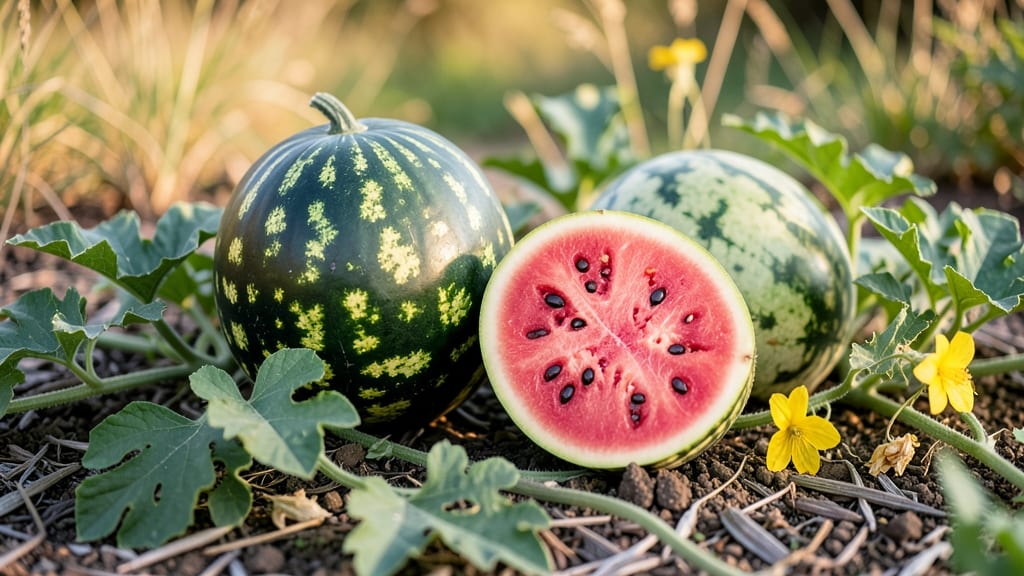
To tell a sweet watermelon, start by checking for a creamy yellow spot where it rested on the ground 🍉 — the key to unlocking that juicy, ripe flavor.
Picking a ripe, sweet watermelon at the store or farm stand can feel like a guessing game—until you know these simple tricks. Avoid the bitter, watery disappointment and learn how to select the juiciest, most flavorful watermelon every time.
Most of us have cut into a watermelon only to find it bland or underripe, wasting time and money. The good news? With just a few quick checks, you can predict sweetness without even slicing it open.
In this guide, I’ll show you the three foolproof methods—the field spot test, the thump trick, and the stem check—to guarantee a watermelon that’s packed with flavor every time.
The 3 essential tricks to identify a sweet watermelon before buying
Nothing beats the satisfaction of biting into a perfectly ripe, juicy watermelon with explosive sweetness. But how do you pick one that delivers on flavor without cutting it open? These science-backed tricks will help you identify sweetness like a pro, whether you're at the grocery store or a farm stand.
The secret lies in three key areas: the field spot, the thump test, and the stem check. Let's dive into each method to ensure you never bring home a bland or underripe melon again.
First, let's talk about the field spot. This is the area where the watermelon rested on the ground while growing. A ripe watermelon will have a creamy yellow or tan spot in this area, indicating it's been exposed to sunlight and fully ripened.
This spot is often overlooked by beginners, but it's one of the most reliable indicators of sweetness. If the spot is still green or pale, the watermelon likely needs more time on the vine.
🌱
Check the Field Spot
Look for a creamy yellow or tan spot where the watermelon touched the ground. This indicates ripeness and sweetness. Avoid melons with green or pale spots.
Perform the Thump Test
Tap the watermelon with your knuckles. A ripe melon produces a dull thud, while an underripe one sounds hollow. This test checks for proper water content and sugar development.
Inspect the Stem
A dried and brown stem near the fruit means it's fully mature. If the stem is still green or moist, the watermelon isn't ready to be picked yet.
The thump test is another foolproof way to gauge ripeness without cutting into the melon. Give the watermelon a firm tap with your knuckles—your fingernail works too. A ripe watermelon will produce a dull, hollow-sounding thud, while an underripe one will sound more like a drum.
This test works because the internal structure of a ripe watermelon has developed enough to create that specific sound. If you hear a high-pitched or metallic tone, the melon is likely still too hard and not sweet enough.
Next, pay close attention to the stem. When a watermelon is fully ripe, the stem near the fruit will have dried out and turned brown. This is a clear sign that the melon has reached its peak sweetness.
If the stem is still green or moist, the watermelon isn't ready to be harvested. This trick is particularly useful when shopping at a farm stand, where you can often see the stem still attached to the vine.
Don't overlook the weight and symmetry of the watermelon, either. A ripe watermelon should feel heavy for its size, indicating it's filled with juice and sweet flesh. Symmetry also matters—a perfectly round or evenly shaped melon is more likely to be ripe all the way through.
While these aren't foolproof methods on their own, they add another layer of confidence to your selection process.
Finally, trust your sense of smell. A ripe watermelon will have a sweet, floral aroma near the stem end. If it smells dull or musty, it's a sign the melon isn't ripe or may even be overripe.
This sensory check is quick and can give you an extra layer of assurance before making your purchase.
By combining these three essential tricks—the field spot inspection, the thump test, and the stem check—you'll be well on your way to selecting the sweetest, most flavorful watermelons every time. Practice these methods, and you'll soon be the go-to person for watermelon advice at your local market.
Pro tip: If you're still unsure, ask the vendor about their harvest date. Watermelons typically ripen about 75 days after planting, so knowing when they were picked can give you additional context about their sweetness potential.
Now you're ready to confidently pick out the perfect watermelon, every single time. Happy harvesting! 🍉
How to cut and taste-test a watermelon for maximum sweetness
Once you’ve picked your watermelon, the real test begins: cutting it open to confirm that sweet, juicy perfection you expected. Skipping this step can lead to disappointment—like finding a melon with pale, watery flesh or oversized, bitter seeds.
I’ve learned the hard way that visual tricks alone don’t always guarantee flavor, so here’s how to physically evaluate your watermelon for peak sweetness before taking that first bite.
Start by slicing the watermelon horizontally (not vertically) about an inch from the top. This reveals the seed chamber and flesh color, two critical clues. A ripe watermelon should have deep red, orange, or yellow flesh (depending on the variety) that looks vibrant, not dull or white.
If the flesh is pale or streaky, it’s likely underripe or overripe.
| Checkpoint | Sweetness Indicator | Action |
|---|---|---|
| Flesh Color | Deep red/orange/yellow | Look for vibrant, uniform color |
| Seed Size | Small to medium | Large seeds = older melon, less sweet |
| Juice Quality | Thick, syrupy | Run a finger through flesh—juice should coat smoothly |
| Texture | Firm but tender | Squeeze gently—should yield slightly |
Next, examine the seed chamber. Sweet watermelons have small to medium-sized seeds that are evenly distributed. If the seeds are large or clustered, the melon is likely older and less sweet.
Pro tip: Run your finger through the flesh near the seeds—if it leaves a thick, syrupy residue, you’ve got a winner. Watery residue means it’s not ripe enough.
For the ultimate taste test, cut a small wedge and take a bite. A perfectly ripe watermelon should be bursting with natural sweetness, not overly tart or bland. The texture should be tender yet firm, with a balance of juiciness and chew.
If it tastes bland, store it in a cool, dry place for 1-2 days—sometimes sweetness develops further after harvest.
To preserve that sweetness, store your watermelon at room temperature until fully ripe, then refrigerate for up to a week. Avoid cutting it too soon—exposed flesh oxidizes quickly and loses flavor.
If you’re not ready to eat it all at once, wrap the cut sides in plastic wrap and refrigerate for up to 3 days.
Now you’re equipped to go from guessing to knowing which watermelon is the sweetest. No more bitter surprises—just pure, juicy satisfaction every time you slice into one. Happy tasting! 🍉