
How To
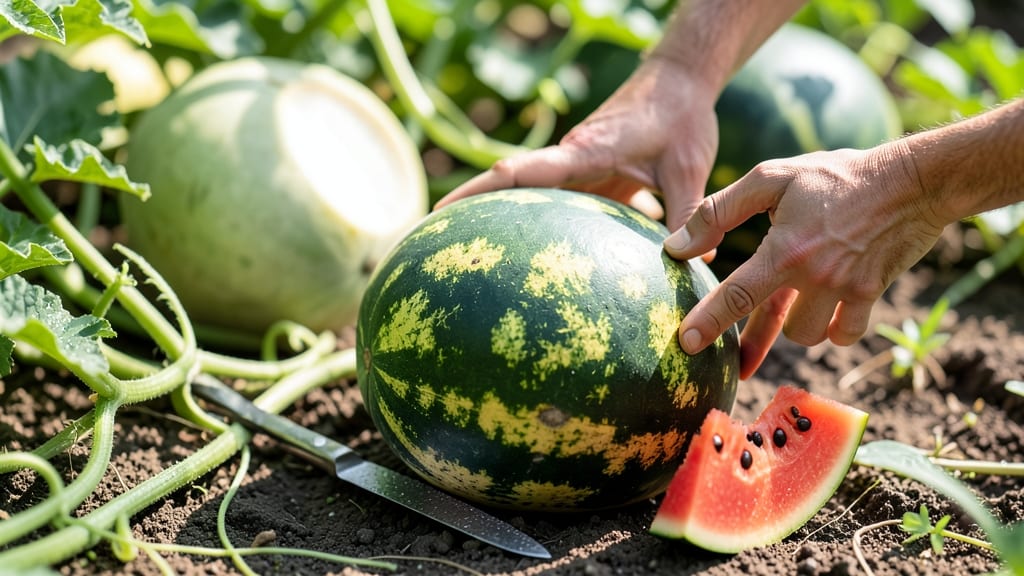
To tell if a watermelon is ripe and sweet, you don’t need a guess—just a few simple tricks that reveal the perfect 🍉 every time.
Picture this: You’re at the farmers’ market, staring at a pile of watermelons, wondering which one will deliver that sweet, juicy payoff. The secret isn’t luck—it’s knowing what to look (and listen) for, from the field spot’s color to the telltale thump.
Overripe? Underripe? Bland? These 3 foolproof methods cut through the confusion, so you can walk away with a melon that’s sweet, tender, and ready to slice. No more cutting into disappointment—just perfect fruit, every time.
Below, I’ll walk you through the visual cues, the thump test, and the sneaky scent trick that even grocery store pros use. Ready to become a watermelon detective?

Visual and physical signs of a ripe and sweet watermelon
Mastering the art of selecting a ripe, sweet watermelon starts with understanding its external cues. These visual and physical signs reveal the fruit's internal sweetness without needing to cut it open.
From the field spot to the stem condition, each detail tells a story about the melon's readiness to eat.
First, focus on the field spot, the area where the watermelon rested on the ground. A ripe watermelon will have a creamy yellow or orange spot here, indicating full sun exposure and sugar development.
This spot is often overlooked but is one of the most reliable indicators of ripeness and sweetness.
Color consistency is another key factor. Look for a deep, uniform hue across the melon's surface. While colors vary by variety (e.g., dark green for traditional types, striped patterns for others), avoid melons with pale or patchy areas, which suggest underripeness or uneven growth.
The skin texture also provides clues. A ripe watermelon has a dull, matte finish rather than a shiny, waxy appearance. Gently press your thumbnail into the rind—if it doesn't leave a deep indent, the melon is likely ripe.
A shiny skin often means the fruit was harvested too early or treated with wax to appear fresh.
Don't overlook the stem end. When ripe, the stem will have turned brown or yellow and dried out. A green stem end is a red flag—the melon wasn't given enough time to ripen on the vine.
This is especially critical for store-bought melons, as they often ripen off the vine and may never reach peak sweetness.
Weight and size matter too. A ripe watermelon feels heavy for its size, signaling high water content and juiciness. Lift it—if it feels light, it’s likely underripe. Additionally, compare the melon's size to its variety. Smaller-than-expected melons may not have fully matured, while oversized ones might be overripe or waterlogged.
Here’s a quick reference to summarize these key indicators:
| Indicator | Ripe and Sweet Signs | What to Avoid |
|---|---|---|
| Field Spot | Creamy yellow or orange | Green or white |
| Color | Deep and uniform | Pale or patchy |
| Skin Texture | Dull and matte | Shiny or waxy |
| Stem End | Brown or yellow, dried out | Green and fresh |
| Weight | Heavy for size | Lightweight |
| Sound | Deep hollow thump | Dull or flat sound |
Pro tip: Combine these visual checks with the thump test for extra confidence. Tap the melon near the stem end—if it sounds deep and hollow, it’s ripe. A dull thud suggests underripeness or overripeness. This method works best when paired with the other indicators above.
Finally, trust your sense of smell. A ripe watermelon emits a sweet, musky aroma near the stem. If you can’t detect any scent, the melon likely needs more time to ripen.
This is especially useful for varieties like Sugar Baby or Crimson Sweet, which are prized for their intense sweetness.
By mastering these visual and physical cues, you’ll never settle for a bland watermelon again. Next time you’re at the market, grab one that checks all these boxes—and enjoy the sweetest, juiciest bite every time! 🍉
The ultimate thump test guide: how to thump like a pro
The thump test is the classic method gardeners and market shoppers use to judge watermelon ripeness—but many people do it wrong. A proper thump reveals whether the seeds are mature and the flesh is sweet, or if you're about to walk away with a bland, underripe melon.
The key lies in where and how you tap, plus interpreting the sound correctly.
Start by holding the watermelon with both hands near its blossom end (the smaller, flatter side where the stem was attached). This is the sweetest part of the melon, and the thump test here gives the most accurate results.
Avoid tapping the field spot (the cream-colored patch on the bottom)—that’s for visual checks, not thumping.
- Hold the watermelon firmly with both hands near the blossom end.
- Use your knuckles (not fingertips) to tap lightly once near the center.
- Listen for a deep, hollow sound—this means ripe seeds and sweet flesh.
- A high-pitched ping or dull thud signals underripe or overripe fruit.
- Compare to a known ripe melon if unsure—your ears will learn the difference!
Mistakes like tapping too hard or using fingertips can crack the skin or give false results. Always tap lightly—think of it as a gentle knock, not a hammer strike. Also, avoid testing melons that are too small or too large for their variety; size matters for accurate thumping.
Pro tip: Combine the thump test with the field spot check. A ripe watermelon should have a creamy yellow spot on the bottom where it rested on the ground, paired with that deep hollow sound. This double-check ensures you’re picking a winner every time.
If you’re still unsure, try the stem check: A dried, brown stem near the blossom end is another sign of ripeness. But remember, the thump test is your best bet for internal sweetness without cutting the melon open.
Mastering the thump test takes practice, but once you’ve nailed it, you’ll never buy a watery, bland watermelon again. Grab a melon, give it a tap, and let your ears do the talking—your taste buds will thank you! 🍉