
Orchid Care
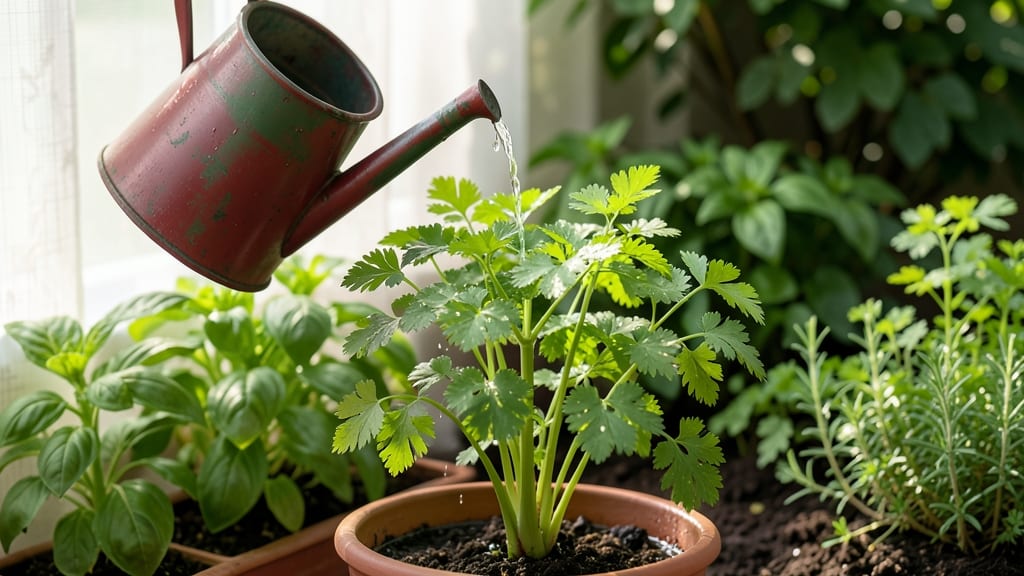
To water cilantro properly, focus on morning drip irrigation—keeping the soil consistently moist without soggy roots is the key to vibrant, flavorful leaves 🌿.
Cilantro lovers know the struggle—wilting leaves, bitter flavors, and patchy growth can turn your favorite herb into a gardening disaster. The secret? A precise watering routine that keeps cilantro thriving without drowning its roots.
Too much water leads to root rot, while too little causes bolting or stunted growth. Even experienced gardeners often overlook the timing of watering, which can make all the difference between a thriving plant and a sad, limp one.
In this guide, I’ll walk you through the exact morning drip method, how often to water based on your climate, and the telltale signs that your cilantro is getting just the right amount of hydration.
The morning drip method: why timing and technique matter for cilantro
Cilantro thrives on consistent moisture, but getting the timing right makes all the difference. The morning drip method isn’t just a habit—it’s rooted in science.
When you water cilantro in the morning, you allow its roots to absorb moisture before the heat of the day evaporates it, preventing stress that leads to bitter flavors. Plus, morning watering reduces fungal risks by letting leaves dry quickly.
I’ve learned the hard way that overwatering or inconsistent schedules turn cilantro’s bright green leaves into sad, yellowing messes. The key? A 1-2 inch deep watering every 2-3 days (adjust for containers or extreme heat).
Too little water, and the plant bolts; too much, and roots suffocate. Let’s break down the perfect routine so your cilantro stays fresh and flavorful.
| Care Step | Frequency | Key Details |
|---|---|---|
| Morning Watering | Daily (spring/summer) | Before 10 AM; 1-2 cups per plant |
| Soil Check | Every 2-3 days | Top 1-2 inches should feel moist |
| Drip Irrigation | Weekly (supplemental) | Slow release at base; avoid wetting leaves |
| Adjust for Containers | Every 1-2 days | Pots dry faster; check daily in heat |
The morning drip method starts with a simple test: stick your finger 1 inch into the soil. If it feels dry, it’s time to water. For in-ground cilantro, aim for 1-2 cups of water per plant, delivered slowly at the base to encourage deep root growth.
Avoid overhead watering—wet leaves attract pests and fungi. I use a watering can with a narrow spout to direct the flow precisely where it’s needed.
Why morning? Because cilantro’s roots are most active in the cool hours. Watering at night can lead to fungal diseases like damping-off, where the soil stays too damp overnight. Plus, morning watering mimics natural dew cycles, reducing stress on the plant.
Pro tip: If your cilantro starts looking wilting by midday, it’s a sign you’re not watering deeply enough—adjust your schedule or increase volume.
Seasonal shifts change the game. In spring and summer, cilantro needs water every 2-3 days due to higher evaporation rates. But in fall, you can stretch it to every 3-4 days as temperatures drop.
I always check the weather forecast: after a heavy rain, skip watering entirely. Overwatering is just as damaging as underwatering—it leaches nutrients and suffocates roots.
Containers dry out faster than garden beds, so potted cilantro demands daily checks in hot weather. I’ve seen cilantro bolt in under 48 hours when stressed by dry soil. To prevent this, use well-draining pots with a moisture-retentive mix (like 60% potting soil and 40% perlite).
Place pots in shaded areas during peak sun to slow moisture loss. A mulch layer around the base also helps retain humidity.
Watch your cilantro’s leaves for visual cues: bright green and slightly crispy edges mean it’s happy. Yellowing leaves signal overwatering, while dull, gray-green leaves mean it’s thirsty. If you see white mold on the soil surface, you’re watering too much—let the top layer dry out before the next session.
Consistency is key: cilantro hates moisture swings, so stick to your schedule like clockwork.
For extra flavor, pair your morning watering with a light fertilizer (like 5-10-10) every 4-6 weeks. But skip fertilizing in summer heat—cilantro bolts faster when stressed. Instead, focus on cool-season growth (spring and fall) for the sweetest leaves.
With the right timing and technique, your cilantro will stay lush, vibrant, and ready for harvest in just 45 days!
Remember: cilantro’s flavor peaks when it’s well-watered but not soggy. Master the morning drip method, and you’ll never waste another herb again. Happy growing! 🌱💧
Common watering mistakes that turn cilantro bitter (and how to fix them)
Even the most experienced gardeners can accidentally turn cilantro bitter when watering goes wrong. The good news? These mistakes are easy to spot and fix. Let’s tackle the top three culprits that ruin your herb’s flavor and health.
First, overwatering is the silent killer of cilantro. Too much moisture suffocates roots, leading to yellowing leaves and that dreaded bitter taste. I’ve seen this happen when gardeners assume "more water = better growth." The truth? Cilantro hates soggy soil.
Second, uneven moisture creates patchy growth. If one side of your plant gets more water than the other, you’ll end up with lopsided leaves and uneven flavor. This often happens when using a sprinkler or watering from just one direction.
Third, nighttime watering sets cilantro up for failure. Wet leaves overnight invite fungal diseases like powdery mildew, which can turn your plant into a mushy mess. I’ve had to pull out entire cilantro patches because of this mistake.
⚠️ Warning: The 3 Watering Mistakes That Ruin Cilantro
- Overwatering: Soil stays soggy for >24 hours → roots rot → bitter flavor
- Uneven moisture: Dry spots in soil → stunted growth → patchy taste
- Nighttime watering: Wet leaves stay damp overnight → fungal risk → wilting
Fix: Water morning-only, 1-2 inches deep, and keep soil evenly moist (not soggy).
To fix overwatering, let the top inch of soil dry out between waterings. Stick your finger in—if it’s damp, wait another day. For uneven moisture, use a gentle watering can or drip irrigation to deliver water evenly.
And for nighttime watering, switch to morning sessions when the sun can dry leaves quickly.
Here’s a quick before-and-after: Overwatered cilantro looks yellow and limp, while properly hydrated cilantro stays bright green and perky. The flavor difference is night and day—literally! With these fixes, your cilantro will taste fresh and vibrant again.
Remember, cilantro thrives on consistency. Stick to a routine, and you’ll avoid the bitter disappointment that comes from watering gone wrong.