
Aphids
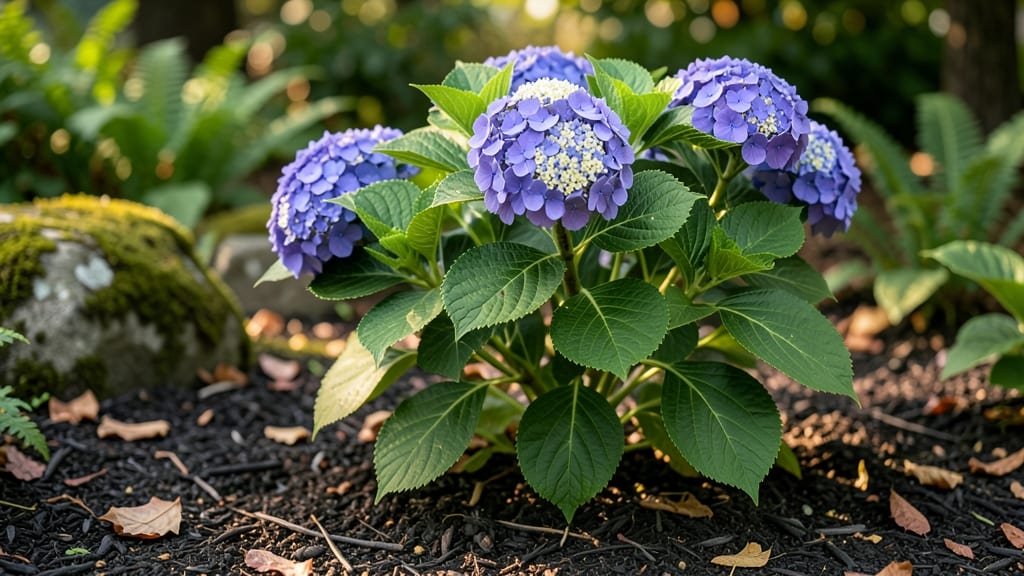
Hydrangeas are indeed perennials in most climates, meaning they regrow each spring from their root systems after their above-ground stems die back in winter. Hardy varieties like oakleaf and smooth hydrangeas can withstand freezing temperatures, while tropical types often require seasonal adjustments for survival.
This perennial behavior is what makes hydrangeas so resilient—they store energy in their roots during the growing season, allowing them to push out fresh foliage as soon as soil temperatures rise in spring. 🌱 The key difference between species lies in their cold tolerance: while northern climates can handle oakleaf hydrangeas with minimal protection, southern growers might need to shield tropical varieties from unexpected freezes.
Understanding your zone and the specific type you're growing determines how much winter care they'll actually need.
What many gardeners overlook is that the "dead" stems you see in winter aren't the whole plant—the roots remain active underground, quietly preparing for next year's blooms. This dormant period is actually crucial for their long-term health, as it helps them build up reserves for another season of vibrant flowers.
💡 In This Article
- How Hydrangea Perennial Growth Works
- Climate-Specific Hydrangea Care for Year-Round Survival
How hydrangea perennial growth works
The hydrangea's perennial nature relies on a clever underground survival strategy. During winter, the plant's aboveground stems die back completely, but the roots remain alive and active below the frost line. These roots contain specialized cells called parenchyma that store starches and sugars produced during the growing season.
When temperatures drop below 20°F (-6°C), the plant triggers dormancy by converting these stored nutrients into protective compounds that prevent cellular damage from freezing.
Regrowth begins when soil temperatures reach 50-55°F (10-13°C) in spring, typically 2-4 weeks before the last frost. This timing varies by species—oakleaf hydrangeas often emerge first because their roots are more cold-resistant, while panicle hydrangeas may lag slightly due to their slightly less hardy root systems.
The new shoots emerge from buds located at the base of the plant, not from the old stems, which is why pruning dead stems in late winter won't harm the plant.
What makes hydrangeas particularly resilient is their ability to adjust their growth cycle based on photoperiod (day length). In short-day conditions (fall/winter), the plant focuses energy on root development rather than foliage or flowers.
This adaptation explains why hydrangeas can survive multiple freeze-thaw cycles—they've essentially paused growth until conditions are optimal.
For example, a smooth hydrangea planted in zone 5 can withstand -20°F (-29°C) temperatures because its roots have developed a natural antifreeze-like substance called glycerol that lowers the freezing point of its cell fluids.
However, not all hydrangeas handle winter equally. Tropical varieties like bigleaf hydrangeas (Hydrangea macrophylla) only survive in zones 6-9 without protection, as their roots lack the same cold tolerance.
The key difference lies in their native habitats—northern species evolved in regions with harsh winters, while tropical types come from areas with mild winters and high humidity. This biological adaptation explains why you might see bigleaf hydrangeas sold as annuals in northern nurseries.
Here's what's actually happening in the roots during dormancy:
- Energy storage: Roots convert sunlight-captured glucose into fructans (complex sugars) that act like natural antifreeze
- Cellular protection: Proteins called LEA proteins (Late Embryogenesis Abundant) shield cell membranes from ice crystal damage
- Water regulation: Roots reduce water content by up to 30% to prevent cell rupture when frozen
The result is a plant that can lie dormant for months yet spring back to life with minimal stress. This biological marvel is why hydrangeas often outlive their gardeners—some specimens in historic gardens have been blooming for over 100 years! 🌿