
Watering
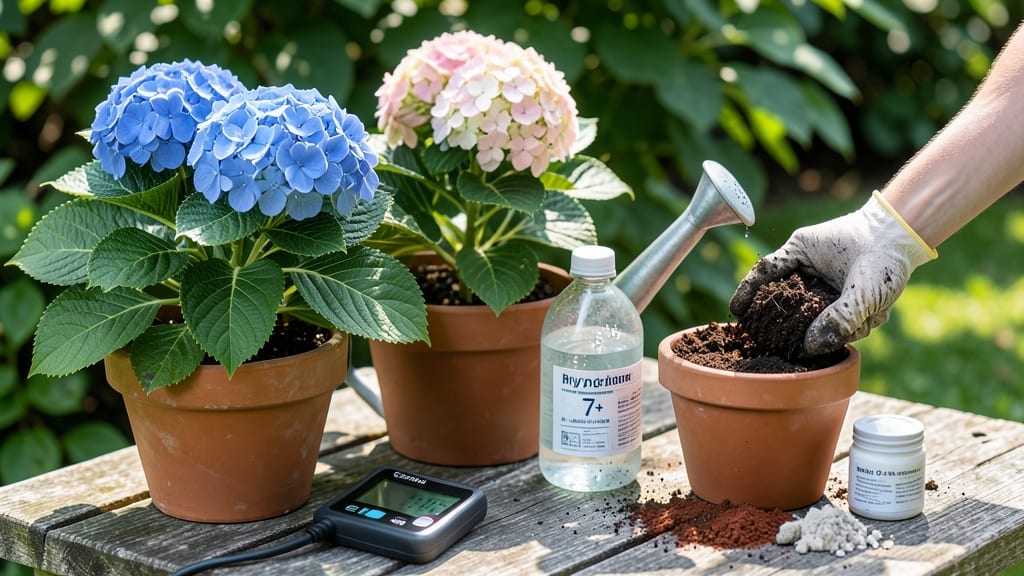
Alkaline water is generally not good for most plants because its high pH levels interfere with nutrient absorption and soil microbial activity, though some hardy species like succulents may tolerate diluted alkaline solutions. For best results, use water with a neutral pH (6.0–7.0) unless soil tests indicate your plants specifically need higher alkalinity.
Most plants thrive when their roots can access nutrients efficiently, and alkaline water throws a wrench in that process. 🌱 The high pH alters how minerals like iron and phosphorus dissolve in soil, making them unavailable to plants—this is why you might see yellowing leaves even when you're watering regularly.
Even "alkaline-tolerant" plants like cacti need careful monitoring, as concentrated alkaline water can still stress their root systems over time.
The key is testing your soil first: if your plants crave slightly alkaline conditions (like some desert species), a small amount of diluted alkaline water might help, but it's rarely the best long-term solution.
For most gardeners, the simplest fix is to use rainwater or tap water with a neutral pH. If you're dealing with acid-loving plants like hydrangeas or blueberries, adding organic matter like compost or pine needles to the soil is a more reliable way to adjust pH than experimenting with water chemistry.
Remember, plants can't tell you what they need—they just show you the symptoms when something's off. That's why I always recommend starting with a basic soil test before making any big changes to your watering routine.
💡 In This Article
- How Alkaline Water Affects Plant Root Systems and Nutrient Absorption
- Safe Ways to Use Alkaline Water for Acid-Loving Plants
How alkaline water affects plant root systems and nutrient absorption
Alkaline water disrupts plant nutrition at the cellular level by altering how roots absorb essential minerals. At a pH above 7.0, iron and phosphorus—critical for chlorophyll production and energy transfer—become chemically locked in the soil, forming insoluble compounds that roots can't access.
This creates a deficiency that often manifests as interveinal chlorosis (yellowing between leaf veins), even when plants receive adequate water. For example, blueberries, which thrive in acidic soil (pH 4.5-5.5), will develop stunted growth and pale leaves within weeks of alkaline water exposure.
The problem extends beyond mineral availability to soil microbiology. Beneficial bacteria and fungi that help break down organic matter and fix nitrogen prefer neutral pH conditions.
Alkaline water creates an inhospitable environment for these microbes, reducing their populations by up to 40% in some cases. 🌱 This microbial decline slows nutrient cycling, leaving plants starved even when minerals are present in the soil.
Lavender, however, demonstrates remarkable tolerance—its deep root systems can access nutrients from deeper, less alkaline layers, making it one of the few plants that can handle occasional alkaline irrigation.
Root damage compounds the issue. Prolonged exposure to alkaline water causes root tips to harden and stop growing, reducing the plant's ability to explore soil for water and nutrients.
In severe cases, roots may even release toxic compounds as a stress response, creating a vicious cycle where the plant poisons itself. The visual symptoms—crispy leaf edges and stunted growth—often appear 2-4 weeks after watering begins, giving gardeners a false sense of security during the initial stages.
Not all plants react the same way. While most vegetables and flowering plants show clear signs of distress, some desert-adapted species like agave or certain cacti have evolved to handle alkaline conditions. These plants store water and nutrients efficiently, allowing them to survive brief exposures to alkaline water.
However, even these hardy species will struggle if the pH exceeds 8.0 consistently, as the soil chemistry becomes too harsh for their specialized root structures.
Understanding these mechanisms helps explain why gardeners often see mixed results with alkaline water. What works for one plant might harm another, making soil testing essential before making any adjustments.
A simple DIY pH test kit (costing under $10) can reveal whether your soil naturally trends alkaline—if it does, addressing the soil chemistry with amendments like elemental sulfur is far more effective than changing your water source.