
Flowers
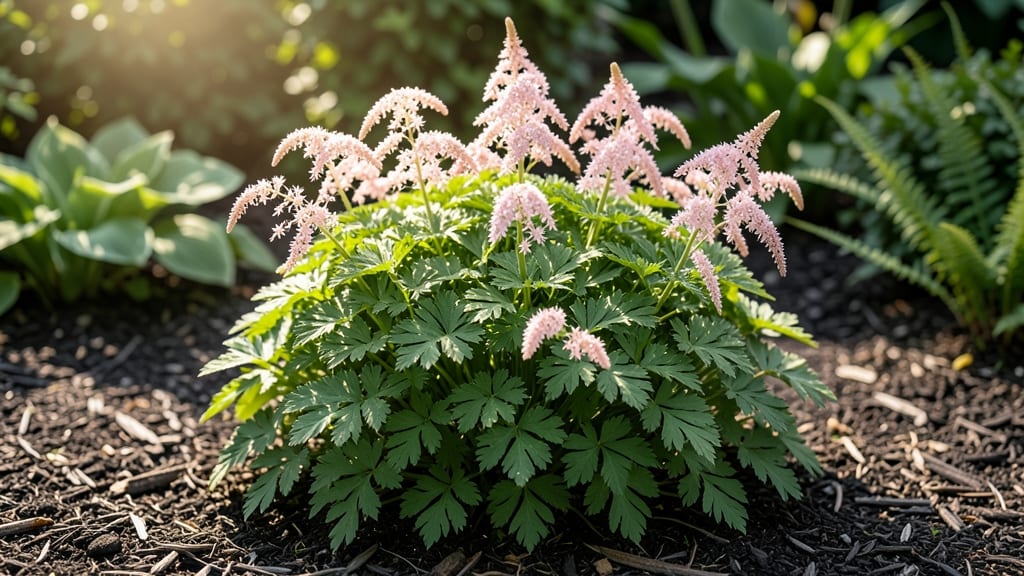
Yes, astilbe is a perennial that thrives in shaded gardens, returning yearly with feathery plumes, though some varieties may die back to the ground in winter before regrowing in spring. Its hardiness varies by species and climate zone.
This shade-loving plant earns its perennial status through its robust underground rhizomes, which store energy to fuel new growth each spring. 🌿 Unlike annuals that complete their lifecycle in one season, astilbe's roots persist through winter—even if the foliage browns and falls back.
The key difference from woody perennials like shrubs is that astilbe's stems die annually, but its root system remains active beneath the soil, ready to burst forth with color when temperatures rise.
What sets astilbe apart is its adaptability across USDA zones 3-9, though northern gardeners should focus on hardier varieties like Astilbe chinensis or Astilbe simplicifolia. These cold-tolerant types can handle -30°F winters with proper mulching, while tenderer cultivars may need winter protection in zone 5 and below.
💡 In This Article
- Astilbe Perennial Lifespan: Growth Cycles and Seasonal Behavior
- Cold-Hardy Astilbe Varieties for Harsh Climates
Astilbe perennial lifespan: growth cycles and seasonal behavior
Astilbe behaves as a herbaceous perennial, meaning its above-ground stems die back each winter, but its root system remains alive underground. The plant stores energy in thick, fibrous rhizomes that can survive multiple freeze-thaw cycles down to -20°F for hardier varieties.
This root structure is similar to hostas but more delicate than woody perennials like shrubs, which retain their stems year-round.
The growth cycle begins in early spring when soil temperatures reach 50-55°F, triggering new shoots to emerge from the rhizomes. By late spring, the feathery plumes develop, reaching heights of 1-4 feet depending on the cultivar.
What's fascinating is how astilbe's foliage acts as a secondary food source—its broad, fern-like leaves photosynthesize throughout the growing season, replenishing the rhizomes for next year's growth.
Unlike annuals that complete their lifecycle in one season, astilbe's roots persist through winter, even if the foliage browns and falls back. This dormancy period is crucial for survival, as the rhizomes enter a state of reduced metabolic activity when temperatures drop below 40°F.
The plant's ability to regrow from the same root system year after year is what classifies it as a perennial, though its herbaceous nature means it lacks the woody stems of shrubs or trees.
One key difference from other perennials like daylilies is astilbe's sensitivity to heat and drought. While daylilies can handle full sun in many climates, astilbe thrives best in partial to full shade, with consistent moisture.
Its roots need to stay cool and hydrated to prevent stress, which is why mulching in summer is just as important as winter protection. The plant's natural habitat in moist, shaded woodlands explains this preference.
What most gardeners don't realize is how astilbe's growth pattern affects its flowering time. The energy stored in the rhizomes determines both the vigor of new growth and the timing of bloom.
A well-established plant with healthy roots will produce more plumes earlier in the season, while stressed plants may flower later or less abundantly. This makes proper care in the first two years critical for establishing a robust root system.
Consider this lifecycle comparison: While hostas also die back annually, their rhizomes are more aggressive spreaders, while astilbe's growth is more controlled. Daylilies, meanwhile, have thicker, more drought-tolerant roots. Astilbe's unique balance makes it ideal for shaded gardens where other perennials might struggle. 🌿