
Aphids
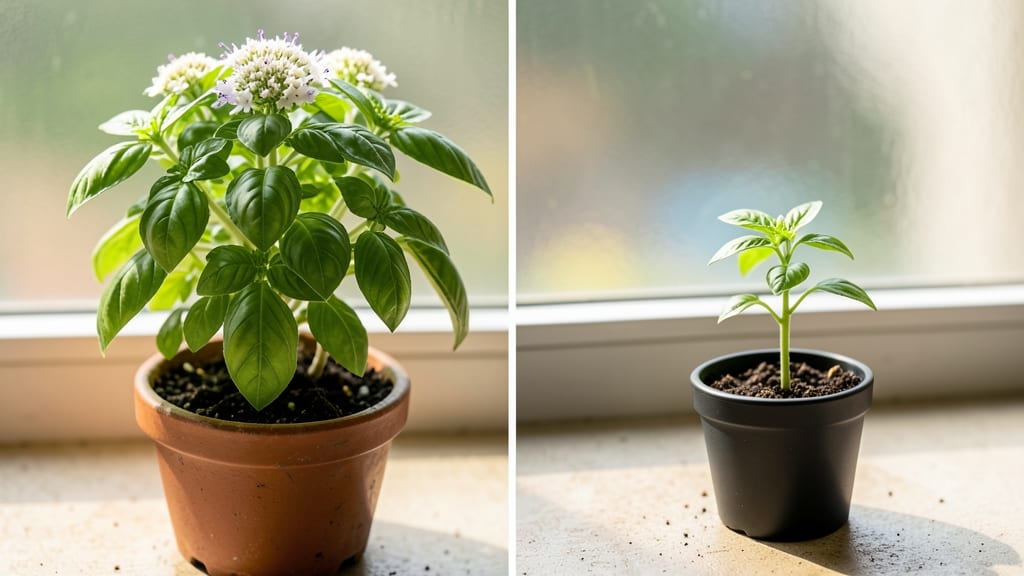
Basil is not a perennial in most climates, thriving as an annual in temperate zones but capable of surviving multiple seasons in warm, frost-free regions with proper care. Its sensitivity to cold temperatures ultimately defines its lifespan in gardens.
Basil's classification as an annual in many regions comes down to its delicate nature when temperatures drop. 🌱 While it can live for years in tropical climates where frost never touches the soil, even a light freeze will kill basil plants in most parts of the U.S. The key difference lies in how quickly it bolts and dies when exposed to cold—something gardeners in colder zones must plan around.
In warmer areas, you can often coax basil to regrow from the same roots year after year if you protect it during cooler months.
What makes this even more interesting is how basil's growth cycle mirrors its native Mediterranean environment. 🌿 There, it naturally grows as a tender perennial, but when transplanted to colder regions, it behaves like an annual because it can't withstand winter temperatures.
This is why many gardeners in Zone 5 and below treat it like a seasonal plant, starting fresh each spring rather than trying to overwinter it.
💡 In This Article
- Why Basil Dies in Cold Climates: Science of Its Lifespan
- How to Grow Basil Longer Than One Season
Why basil dies in cold climates: science of its lifespan
Basil's annual classification stems from its tropical origins, where it evolved in regions with consistent warmth and humidity. The plant's cellular structure lacks the protective mechanisms found in true perennials, like deep root systems or insulating bark.
When temperatures drop below 32°F, basil's thin stems and leaves freeze almost instantly, causing irreversible damage to cell membranes. This is why even a light frost (below 35°F) will kill basil plants in most gardens, turning their vibrant green leaves to a mushy, brown mess within hours.
The science behind this sensitivity lies in basil's C3 photosynthesis pathway, which is highly efficient in warm conditions but shuts down when temperatures fall below 50°F. Unlike hardy perennials, basil cannot enter dormancy or produce protective sugars to withstand cold.
Its native Mediterranean climate rarely dips below 40°F for extended periods, so the plant never developed cold tolerance. In contrast, true perennials like rosemary or thyme can survive -10°F to -20°F by producing antifreeze proteins in their cells.
USDA hardiness zones play a critical role in determining basil's lifespan. In zones 9-11, where winter temperatures rarely drop below 20°F, basil can persist as a semi-perennial, regrowing from the same roots year after year.
However, in zones 3-8, gardeners typically treat it as an annual because even a single cold snap will terminate growth. The transition point occurs around zone 8, where basil might survive mild winters if protected, but the risk of damage remains high.
What's fascinating is how basil's growth cycle accelerates when exposed to cold. Even before frost arrives, dropping temperatures trigger bolting—a rapid flowering response that diverts energy from leaf production to seed development. This is why basil planted in late summer often flowers prematurely, losing its prized culinary leaves.
The plant essentially "gives up" on vegetative growth when it senses winter approaching, a survival strategy that works in its native habitat but becomes a liability in colder climates.
For gardeners in marginal zones (like 8a/8b), the difference between annual and perennial behavior comes down to timing. A sudden freeze in November might kill the plant, but if you harvest and overwinter cuttings indoors, you can restart growth in spring.
This creates a hybrid approach where basil behaves like a perennial in your care, despite its botanical classification. The key is understanding that basil's perennial potential exists only in controlled environments where cold never becomes a factor.
Consider this comparison: In Florida's zone 10, basil plants I've grown have lived for 3-4 years with minimal care, producing new growth each spring from the same root system. In contrast, my zone 6 garden requires replanting every year because even a 28°F night will kill established plants.
The difference isn't just about temperature—it's about consistency. Basil needs consistent warmth to maintain its perennial-like behavior, making it a fascinating case study in how climate shapes plant classification.