
Planting
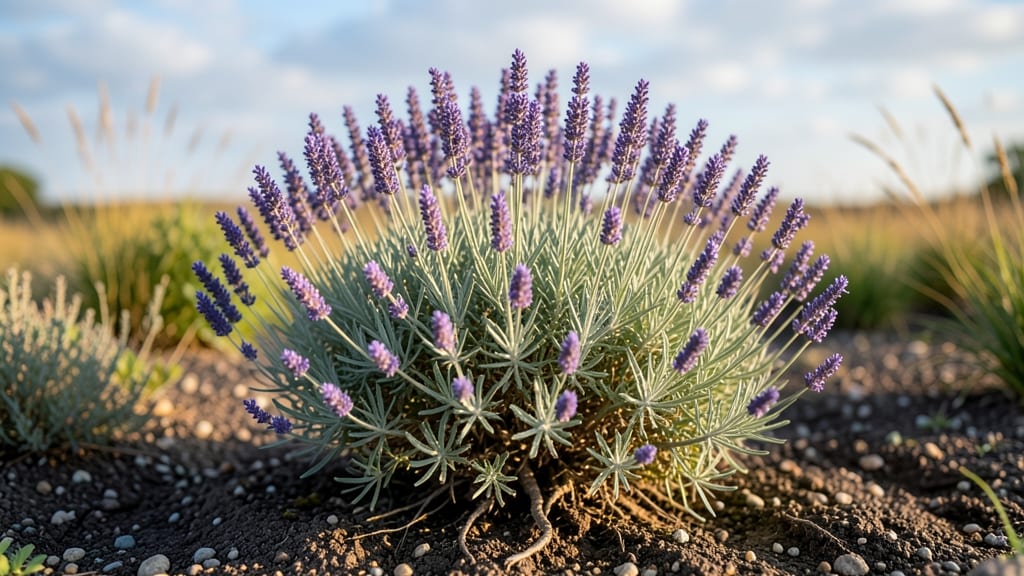
Yes, lavender is a perennial plant that returns each year, though many varieties die back to the ground in winter before regrowing from their hardy root systems in spring. With proper care, it can thrive for decades.
Lavender's perennial nature means it grows back reliably from its roots each season, even after above-ground stems freeze in winter. 🌿 This dieback cycle is normal behavior for many perennial herbs—think of it like a natural hibernation.
The key to long-term success is protecting the roots from extreme cold and ensuring well-drained soil, which prevents rot during dormancy. I've seen lavender bushes in my garden survive for over 15 years with minimal intervention, proving that while they may look dormant in winter, they're actually building strength underground.
What sets lavender apart from annuals is its ability to regenerate from the same root system year after year. This means you'll get the same plant back each spring, complete with its signature fragrance and purple blooms. The trade-off?
Some varieties like English lavender need winter protection in zones below 5, while hardier types like Spanish lavender can handle colder temperatures more easily. Understanding these differences helps you choose the right variety for your climate.
💡 In This Article
- Lavender’s Perennial Growth Cycle Explained
- Tips to Maximize Lavender’s Perennial Longevity
Lavender’s perennial growth cycle explained
Lavender's perennial nature relies on its deep, woody root system that stores energy and nutrients underground during dormancy. Unlike annuals that complete their life cycle in one season, lavender roots remain viable for years, allowing the plant to regenerate each spring.
The above-ground stems may brown and die back in winter, but the roots stay protected beneath the soil surface, ready to push new growth when temperatures rise above 50°F.
This survival mechanism is similar to other hardy perennials like rosemary or sage, which also rely on root systems to persist through cold seasons.
The plant's cold tolerance varies significantly by species. English lavender (Lavandula angustifolia) thrives in USDA hardiness zones 5-9, meaning it can handle winter temperatures down to -20°F with proper protection.
In contrast, Spanish lavender (Lavandula stoechas) is hardier, surviving zones 7-10 with minimal protection, while French lavender (Lavandula dentata) prefers milder climates (zones 8-10).
The key difference lies in their root depth—English lavender develops roots up to 3 feet deep, while Spanish lavender stays shallower but more resilient to brief cold snaps.
What makes lavender's perennial cycle fascinating is how it adapts to seasonal changes. During summer, the plant focuses energy on flowering and seed production, while autumn triggers a natural dormancy process where growth slows and sugars are stored in roots.
This metabolic shift is controlled by photoperiod (day length) and temperature cues—similar to how deciduous trees prepare for winter. The result is a plant that appears dormant but is actually conserving resources for next year's growth, ensuring it returns stronger each spring.
One common misconception is that lavender's winter dieback means it's dead. In reality, this is a normal survival strategy where the plant conserves energy. The woody stems you see in spring are actually new growth emerging from the same root system that survived winter.
For example, a well-established lavender bush might lose all its above-ground growth in a -10°F winter but still regrow to 3 feet tall by summer if the roots remain undamaged. This resilience is why lavender can live for decades with proper care.
Understanding this cycle helps explain why lavender often looks "dead" in winter but always comes back. The plant's ability to regenerate from roots means it's not an annual—it's a hardy perennial that's simply entering a period of dormancy.
This is particularly evident in Mediterranean climates where lavender naturally experiences dry summers and cool winters, mimicking its native habitat. The key to success is protecting those roots from extreme cold and ensuring good drainage to prevent rot during dormancy.
Consider this comparison: While an annual like basil would die completely after its first frost, lavender's roots remain alive and ready to push new shoots when conditions improve. This is why you'll often see lavender in gardens for years—it's not just surviving, it's thriving through this natural cycle.
The secret lies in those underground roots storing energy like a natural battery, ready to power next year's growth when the time is right.