
Lawn
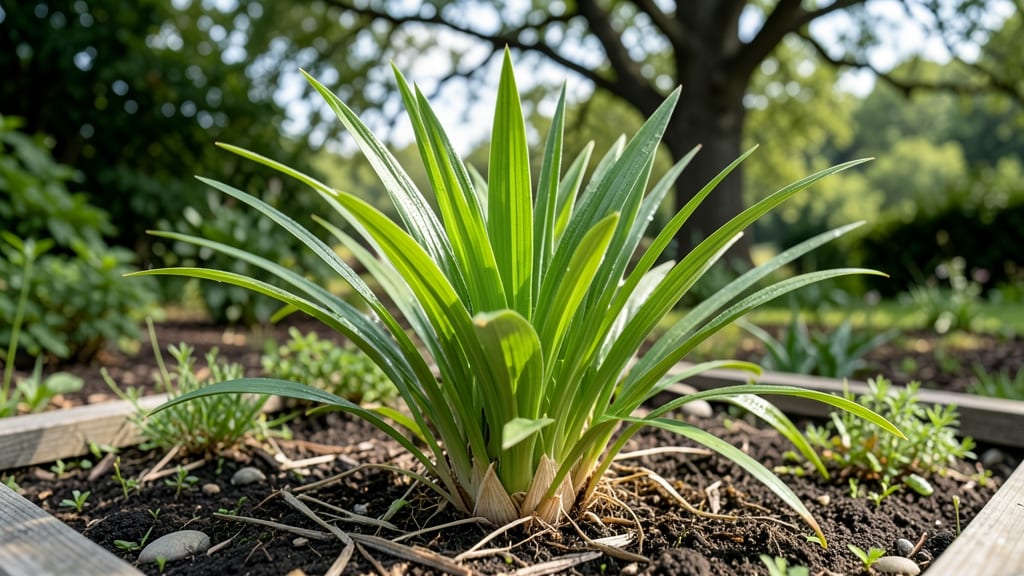
Lemon grass behaves as a perennial in warm climates, growing continuously with proper care, but its above-ground stems will freeze and die back when temperatures drop below 28°F. While the roots may survive light frosts, cold-hardy varieties or replanting are often necessary in colder regions outside USDA zones 9-11.
Lemon grass thrives as a perennial because it establishes deep, fibrous roots that store energy for regrowth—just like other tropical perennials such as ginger or turmeric. 🌱 The key difference is its sensitivity to frost: while the roots might endure brief cold snaps, the stalks will blacken and collapse when exposed to prolonged freezing.
In my experience, gardeners in zones 8 and below often treat it as an annual, harvesting the stalks before the first frost hits or bringing potted plants indoors. The plant's ability to regenerate from root cuttings makes it surprisingly resilient, even in less-than-ideal conditions.
What's fascinating is how lemon grass adapts its growth cycle. In warm climates, it grows aggressively year-round, sending up new shoots from the same root system. But in cooler regions, it essentially goes dormant until spring, when new growth emerges from the surviving roots.
This dual behavior explains why some gardeners swear by it as a perennial in mild winters, while others treat it like an herbaceous plant that needs annual replanting.
💡 In This Article
- Lemon Grass Growth Cycle and Temperature Tolerance
- How to Overwinter Lemon Grass in Cold Climates
Lemon grass growth cycle and temperature tolerance
Lemon grass thrives as a perennial because its deep, rhizomatous root system stores carbohydrates—like starches and sugars—that fuel regrowth after harvest or dormancy.
This underground network can extend up to 3 feet deep, allowing the plant to access moisture and nutrients even during dry spells. 🌱 In tropical climates (USDA zones 9-11), these roots remain active year-round, producing new shoots continuously.
The plant's growth habit mirrors other tropical perennials like ginger or galangal, where the above-ground stems are the edible parts, while the roots serve as the regenerative engine.
The plant's sensitivity to frost stems from its tropical origins—temperatures below 28°F cause cellular damage to the above-ground stems, turning them black and mushy within hours. However, the roots often survive light frosts because they're insulated by soil and contain antifreeze-like compounds (like proline amino acids) that protect cellular structures.
This explains why you might see lemon grass "recover" in spring after a cold snap: new shoots emerge from the surviving roots. The difference between zones 9-11 and colder regions comes down to how many freeze-thaw cycles the roots can endure—typically 3-5 for hardier varieties.
What most gardeners don't realize is that lemon grass exhibits a form of "pseudo-dormancy" in cooler climates.
Unlike true perennials that go fully dormant, lemon grass maintains some metabolic activity in its roots, which is why it can regrow so vigorously when conditions improve. 💫 This makes it behave like a "short-lived perennial" in marginal climates—capable of surviving multiple growing seasons if protected from prolonged freezing.
The plant's ability to regenerate from even small root fragments (as little as 1 inch) further enhances its adaptability, though this regeneration takes 4-6 weeks in optimal conditions.
Here's how the growth cycle breaks down by climate:
- Tropical (Zones 9-11): Continuous growth, harvestable year-round with 3-4 month intervals between cuttings
- Subtropical (Zones 8-9): Slower growth in winter, may go dormant but roots survive; regrowth in spring
- Temperate (Zones 7 and below): Treated as annual; roots may survive light frosts but above-ground dieback is inevitable
The plant's cold sensitivity isn't just about temperature—humidity plays a critical role. Lemon grass originates from swampy regions where high humidity protects its tender stems. In dry climates, even mild freezes (32°F) can cause irreversible damage because the plant loses moisture faster than it can be replaced. This is why gardeners in arid zones 9-11 often need to provide afternoon shade during summer to prevent heat stress, which makes the plant more vulnerable to subsequent cold snaps.
For those curious about the science, lemon grass's frost sensitivity involves two key mechanisms: ice crystal formation in the stems and oxidative stress in the leaves. When temperatures drop below 30°F, water in the plant's cells begins crystallizing, rupturing cell walls and blocking nutrient transport.
Meanwhile, the plant's photosynthesis slows dramatically, leading to energy deficits that accelerate tissue death. The roots fare better because their deeper location and higher starch reserves provide temporary protection against these processes.
The takeaway? Lemon grass is a perennial in the truest sense only in frost-free climates. In colder regions, its perennial nature becomes more about the root system's resilience than continuous above-ground growth.
This dual nature explains why some gardeners successfully overwinter it while others treat it as an annual—it all comes down to how well you can protect those critical underground storage organs. 🌿