
Flowers
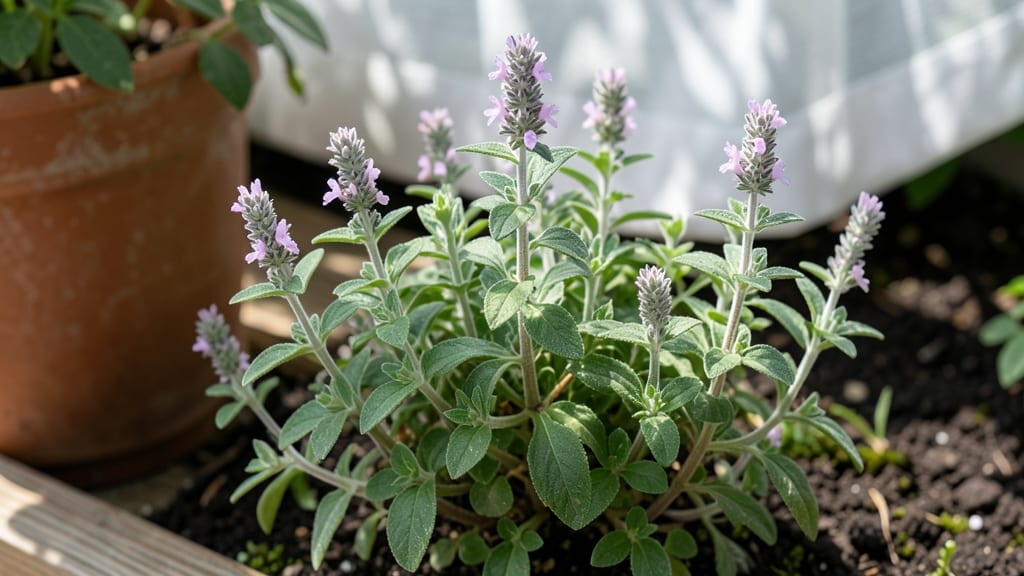
Yes, oregano is a perennial herb that thrives in USDA hardiness zones 5-9, returning year after year with proper care, though some varieties may die back in colder winters before regrowing in spring.
Oregano earns its perennial status thanks to its deep root system and semi-woody stems, which allow it to survive winter dormancy in zones 5-9. 🌱 Unlike annuals that complete their life cycle in one season, oregano plants regrow from the same roots each spring, often sending up new growth within weeks of frost melting.
In colder climates, the above-ground foliage may brown and die back, but the roots remain alive underground, ready to sprout fresh leaves when temperatures rise.
This hardy herb thrives when planted at the right depth—about 1/4 inch below soil level—and benefits from a thick layer of mulch to insulate roots during winter. Pruning in early spring encourages bushier growth, while avoiding heavy winter pruning prevents stress on the plant's dormant energy reserves.
With these simple care steps, your oregano patch can provide fresh herbs for cooking year after year.
💡 In This Article
- Oregano’s Perennial Growth Cycle and Cold Hardiness
- Best Practices for Year-Round Oregano Cultivation
Oregano’s perennial growth cycle and cold hardiness
The secret to oregano's perennial nature lies in its semi-woody stems and extensive taproot system, which can extend 12-24 inches deep.
Unlike annual herbs that rely on seeds for regeneration, oregano stores energy in its roots during winter, allowing it to push new growth from the same rootstock each spring.
This deep root system also helps it access moisture during dry summer months, giving it a survival advantage in both hot and cold climates.
In colder zones (5-7), oregano enters dormancy when temperatures drop below 20°F, with the above-ground foliage turning brown and crispy. However, the roots remain alive and protected by the soil's insulating properties.
What's fascinating is how quickly it rebounds—within 2-4 weeks of spring thaw, you'll often see fresh green shoots emerging from the same spot where last year's plant grew. This resilience is why oregano is classified as a hardy perennial rather than a tender one.
The key difference between oregano's growth in warm zones (8-9) versus cooler zones is the intensity of dormancy. In milder climates, oregano may continue growing year-round with only minor slowdowns in winter, while in colder regions, it completely shuts down above ground.
This seasonal adaptation explains why some gardeners in zone 5 report their oregano "dying back" each winter—it's not actually dying, just entering survival mode.
What most gardeners don't realize is that oregano's cold hardiness varies slightly by variety. Greek oregano tends to be more cold-tolerant than Mexican oregano, which may struggle in zone 6 winters. The hardiest varieties develop a woody base at the crown that can withstand -10°F temperatures when properly mulched.
This woody growth is what distinguishes true perennials from biennials—they develop persistent woody structures that survive multiple growing seasons.
Here's what happens biologically during dormancy: The plant's cells produce antifreeze proteins that prevent ice crystals from forming in its tissues, similar to how some cold-hardy vegetables survive winter. Meanwhile, stored carbohydrates in the roots provide energy for early spring regrowth.
This natural survival mechanism is why oregano can bounce back so vigorously after winter—it's not just regrowing from seeds, but from the same genetic material that's been lying dormant underground.
The most critical factor for perennial success is proper winter preparation. Without adequate mulch (at least 3-4 inches of straw or leaves), the soil can freeze solid, damaging the roots.
In contrast, well-mulched oregano plants often emerge 2-3 weeks earlier in spring than those without protection, giving them a competitive advantage in the growing season.
Understanding this growth cycle explains why oregano can thrive for decades in the right conditions—some heritage plants in Mediterranean gardens have been producing for over 50 years! The key is mimicking its natural environment: well-draining soil, full sun exposure, and protection from extreme cold.