
Flowers
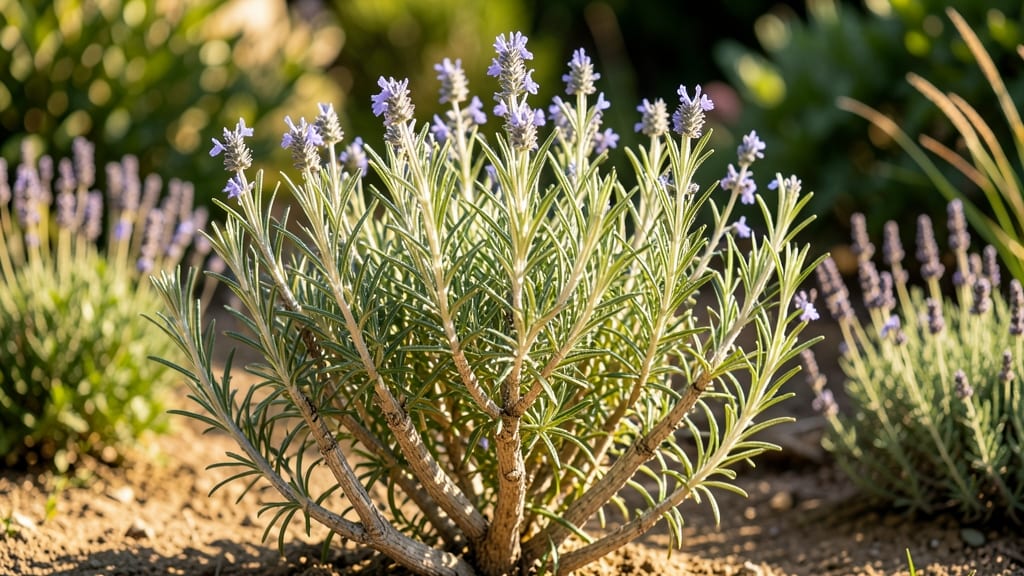
Yes, rosemary is a perennial herb that thrives in warm climates, returning each year with proper care, though it may die back in frost-prone zones. Pruning and mulching help protect it through winter for regrowth in spring.
Rosemary's perennial nature means it can live for years if given the right conditions—especially in frost-free zones where it grows as a hardy, woody shrub. 🌿 In colder climates, though, it often appears dormant after winter freezes but regrows from its root system once temperatures warm.
This dieback cycle is why many gardeners treat it like a perennial even in colder areas, as long as they protect it properly during frost.
What sets rosemary apart from true annuals is its woody stem structure, which stores nutrients and helps it recover after seasonal stress. Unlike delicate annuals that die completely after one growing season, rosemary's deep roots and persistent stems give it a fighting chance to bounce back—even after harsh winters.
This resilience makes it a favorite for both culinary and ornamental gardens.
💡 In This Article
- Rosemary’s Perennial Growth Cycle Explained
- How to Overwinter Rosemary in Cold Climates
Rosemary’s perennial growth cycle explained
Rosemary's perennial status stems from its unique woody stem structure, which acts like a built-in survival system. Unlike tender annual herbs that die back completely each year, rosemary develops thick, lignified stems that store nutrients and moisture.
This woody growth allows it to endure seasonal stress, including drought and cold snaps, by tapping into these internal reserves. In frost-free zones (USDA hardiness zones 8-10), rosemary grows as an evergreen shrub, maintaining its needle-like leaves year-round with minimal care.
The key difference between rosemary's behavior in warm climates versus cold regions lies in its response to temperature. In mild winters, rosemary continues photosynthesizing slowly, maintaining a green appearance.
However, when temperatures drop below 20°F, the plant enters a state of dormancy—its leaves may turn brown and crisp, but the root system and woody stems remain alive beneath the soil.
This is why gardeners often see rosemary "die back" in winter: the above-ground growth is sacrificed to protect the plant's core survival structures.
What makes rosemary's perennial cycle fascinating is its ability to regenerate from just a few inches of stem or even root fragments. The plant's deep taproot system (reaching 3-5 feet deep) anchors it firmly and draws up water from lower soil layers, while its lateral roots spread widely for stability.
When spring arrives, new growth emerges from these protected areas, often within 2-4 weeks of consistent above-freezing temperatures. This regenerative capacity is what truly defines rosemary as a perennial, even in challenging climates.
Hardiness zones play a crucial role in determining rosemary's perennial behavior. In zones 7 and below, rosemary typically survives winter only if protected, while in zones 8-10, it thrives as a true perennial with minimal intervention.
The plant's natural range in the Mediterranean explains this adaptability—rosemary evolved in regions with hot, dry summers and mild winters, where it developed mechanisms to conserve water and energy during stressful periods. This evolutionary history gives us clues about how to care for it in different climates.
One common misconception is that rosemary must be replanted annually, but this only applies to gardeners who don't provide proper winter protection. The plant's ability to regrow from old wood demonstrates its true perennial nature.
Even severely pruned stems can produce new shoots in spring, as long as some living tissue remains. This resilience makes rosemary an excellent choice for gardeners who want long-term results with relatively low maintenance.
For those in colder climates, understanding this growth cycle is essential. The plant's dormancy isn't true death—it's a survival strategy that allows rosemary to "wait out" harsh conditions before rebounding with vigor.
This is why proper winter care (like mulching or container protection) can make all the difference between losing your rosemary and enjoying it for years to come. 🌱