
Flowers
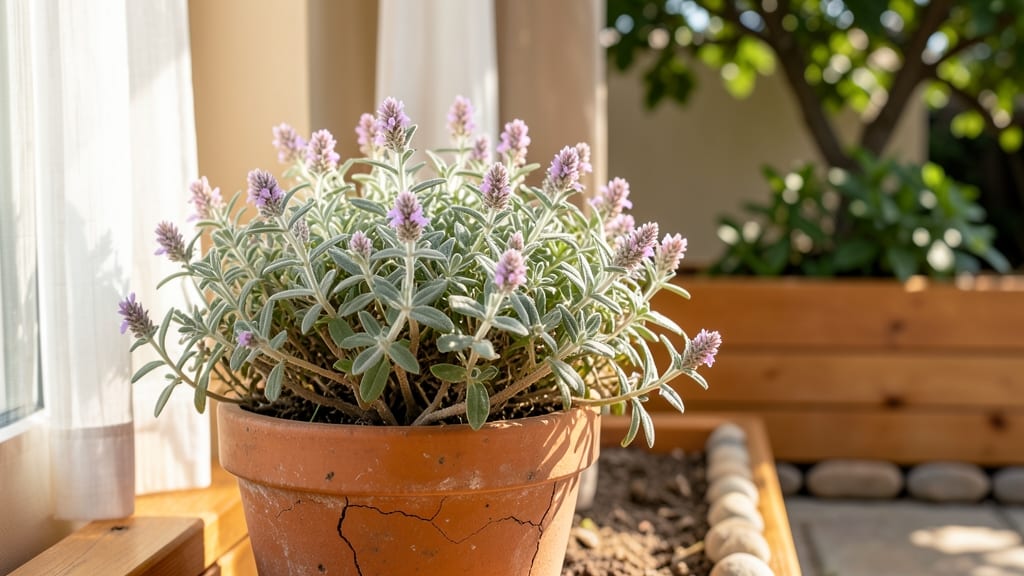
Yes, thyme is a perennial herb that thrives for multiple years with proper care, surviving winters in USDA zones 5–9 when protected or in mild climates, though some varieties may die back in colder regions before regrowing in spring.
Thyme earns its perennial status because it naturally returns each growing season, though its resilience depends heavily on your climate zone and care practices. 🌿 Unlike annual herbs that complete their life cycle in one season, thyme establishes deep root systems that allow it to persist for years—sometimes even decades—with minimal intervention.
The key difference between hardy varieties like common thyme and more delicate types such as lemon thyme lies in their cold tolerance, which determines whether they'll survive winter exposure or need protective measures like mulch or containers.
For gardeners in colder regions (zones 4 and below), overwintering becomes a critical skill. Cutting back foliage before frost and applying a thick layer of straw or pine needles can shield thyme plants from freezing temperatures.
Container-grown thyme offers extra flexibility—simply move pots to a sheltered location or indoors near a sunny window during harsh winters. The trade-off? Some varieties may appear dormant or browned in winter, only to bounce back with fresh growth once temperatures rise again.
💡 In This Article
- Thyme’s Perennial Nature and Cold Hardiness Explained
- Overwintering Thyme in Different Climates
Thyme’s perennial nature and cold hardiness explained
Thyme belongs to the Lamiaceae family and is classified as a perennial because its root system remains alive underground year-round, even when above-ground growth dies back. This is different from annual herbs like basil, which complete their entire life cycle in a single growing season.
Thyme's deep, woody roots can extend up to 12 inches below the soil surface, allowing it to access moisture and nutrients that sustain it through harsh conditions.
The plant's natural oil content—particularly in varieties like common thyme (Thymus vulgaris)—also contributes to its resilience by acting as a natural antifreeze, protecting cell structures during cold snaps.
The cold hardiness of thyme varies dramatically between species. Common thyme, for example, thrives in USDA zones 5-9 and can withstand temperatures as low as -20°F when properly mulched.
In contrast, more delicate varieties like lemon thyme (Thymus citriodorus) struggle in zones colder than 7, often requiring container culture or winter protection.
The key difference lies in their native habitats: hardy thymes originate from Mediterranean climates with hot, dry summers and cold winters, while tender varieties hail from milder coastal regions where frost is rare. 🌡️ This explains why thyme leaves may turn brown and crispy in winter—the plant is entering a dormant state to conserve energy until spring.
What makes thyme's perennial nature so fascinating is its ability to regenerate from just a small piece of root or stem. Even if the entire plant appears dead after a harsh winter, the root crown often remains viable.
This is why gardeners can simply wait for new growth in spring rather than replanting annually. The regrowth typically begins when soil temperatures reach 50°F, signaling the plant that conditions are safe for new shoots.
For gardeners in marginal zones (like zone 5), this means timing is everything—applying a 4-inch layer of mulch in late fall can mean the difference between winter survival and total loss.
Another critical factor is thyme's growth habit. Unlike many perennials that send up new shoots from the base, thyme grows in a low, spreading manner with multiple stems emerging from the root crown.
This woody, semi-evergreen structure allows it to shed snow and ice more effectively than taller plants, reducing the risk of winter damage.
However, heavy snow accumulation can still cause stems to break, so pruning back one-third of the plant in early spring helps maintain its compact, bushy form while encouraging vigorous new growth. 🌱
For those growing thyme in containers, the story changes slightly. Potted thyme is more vulnerable to temperature fluctuations because container soil freezes faster than in-ground soil.
In zones 4 or colder, moving pots to an unheated garage or against a south-facing wall can extend their lifespan by 5-10 years.
The secret lies in maintaining consistent moisture levels—thyme roots can rot if left soggy during winter, so ensure containers have drainage holes and use a well-draining soil mix with added perlite or sand.
One common misconception is that all thyme varieties are equally hardy. While common thyme and caraway thyme are among the toughest, varieties like silver thyme (Thymus serpyllum) and woolly thyme (Thymus pseudolanuginosus) have more specialized needs.
Silver thyme, for instance, thrives in zones 4-8 but prefers well-drained soil to prevent root rot, while woolly thyme's fuzzy leaves make it more susceptible to fungal issues in humid climates. Understanding these nuances helps gardeners select the right variety for their specific growing conditions.
Here's what most people don't realize: thyme's perennial nature isn't just about surviving winter—it's about building resilience over time. A well-established thyme plant can live for 10-15 years or more, with each passing season making it tougher.
The older the plant, the deeper and more extensive its root system becomes, creating a self-sustaining ecosystem that requires less water and care. This is why thyme is often called the "low-maintenance" herb—once established, it's virtually indestructible with minimal intervention. 💪