
How To
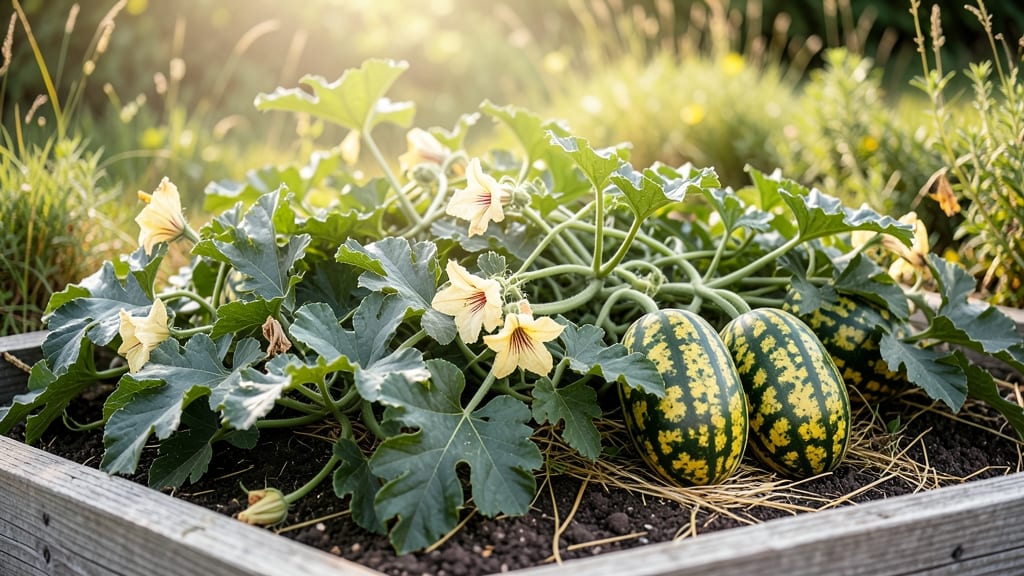
A Jubilee watermelon 🍉 typically reaches maturity in 75 to 90 days from transplanting, but those numbers can shift dramatically depending on where you live and how you care for it.
If you're dreaming of juicy, sweet Jubilee watermelons but unsure when to plant for maximum harvest success, timing is everything—especially since days to maturity can vary dramatically by growing zone.
In cooler climates like Zone 6, where frost lingers into May, you might need to start seeds indoors or wait until soil warms to 70°F before planting outdoors. Meanwhile, gardeners in warmer Zones 8-11 can direct-sow as early as March, but heat waves can speed up—or slow down—growth unpredictably.
Below, I’ll break down the exact planting schedule by zone, how to adjust for early/late seasons, and three proven techniques to extend your harvest window—so you’re not left with half-ripe melons when summer ends.
Jubilee watermelon days to maturity: exact growth timeline by USDA Zone
The Jubilee watermelon is a beloved variety known for its sweet, crisp flesh and compact vines, but its 75-85 day maturity window can shift dramatically depending on your USDA growing zone. Understanding these variations ensures you time your planting for a successful harvest before the first frost.
In warmer zones like Zone 10, you might enjoy ripe melons in as few as 70 days, while cooler Zone 5 gardeners may need to stretch the season to 90 days or more.
Temperature plays a critical role in maturity timing. Jubilee watermelons thrive in soil temperatures above 70°F (21°C), which accelerates growth. Cooler zones with shorter growing seasons require earlier starts—either by indoor seed starting or choosing early-maturing varieties if available.
Meanwhile, gardeners in Zones 8-11 can often direct-sow seeds later in the spring and still reap rewards by summer's end.
Frost dates are your biggest constraint. Jubilee watermelons cannot tolerate frost at any stage, so your planting window must align with your last expected frost date. For example, in Zone 4, you’ll need to start seeds indoors by early April to transplant after frost and still finish before the first fall frost. In contrast, Zone 9 gardeners have more flexibility, with a longer frost-free period.
| USDA Zone | Frost-Free Days | Maturity Window | Planting Strategy | Harvest Window |
|---|---|---|---|---|
| Zone 3-4 | 90-120 days | 85-95 days | Start indoors March 1-April 15; transplant after last frost | Late July-September |
| Zone 5-6 | 120-150 days | 75-85 days | Direct sow April 15-May 1 or start indoors March 1 | June-August |
| Zone 7-8 | 180-210 days | 70-80 days | Direct sow April 15-June 1 | July-September |
| Zone 9-11 | 240-365 days | 65-75 days | Direct sow March 1-June 1; can plant in fall for winter harvest | May-October |
In Zones 3-4, where frost-free days are limited, focus on early planting and use row covers to extend the season. Jubilee watermelons in these zones may take 10-15 extra days to mature due to cooler soil temperatures.
Plant seeds indoors by early March, then transplant seedlings after your last frost date—typically mid-April to early May—to ensure a harvest before the first frost in September or October.
Gardeners in Zones 5-6 have a slightly longer window but still need to act quickly. Direct-sow seeds after the soil reaches 70°F (21°C), usually mid-April to early May. If you start seeds indoors in early March, you’ll have a head start.
Aim to harvest by late August to avoid early fall frosts. In these zones, black plastic mulch can warm the soil faster and speed up maturity by 5-7 days.
For Zones 7-8, the timeline becomes more forgiving. Direct-sow seeds from mid-April to early June for a staggered harvest from July through September. The warmer climate allows Jubilee watermelons to mature in as few as 70 days, giving you flexibility for succession planting.
However, avoid planting too late—seeds sown after mid-June may not have enough time to mature before cooler fall temperatures slow growth.
In Zones 9-11, Jubilee watermelons thrive with minimal fuss. Direct-sow seeds as early as March 1 for a summer harvest or even late summer for a fall crop. The extended frost-free season lets you enjoy melons from May through October.
In these zones, watch for overheating—shade cloth can protect plants during 100°F+ days and prevent bitter fruit.
Pro tip: Use a planting calendar tailored to your zone to track key dates. Mark your
Optimal planting schedule for Jubilee watermelons by Zone: when to start seeds indoors vs. direct sow
Timing your Jubilee watermelon planting is critical—these vines need 70°F+ soil temperatures to thrive, and their 75-90 day maturity window must align with your frost dates. In cooler Zones 3-6, I recommend starting seeds indoors 4-6 weeks before your last frost date to give seedlings a head start.
Meanwhile, gardeners in Zones 7-11 can often direct-sow as early as March, but watch for heat waves that may accelerate growth.
For example, in Zone 5 (last frost: May 15), I start seeds indoors around April 1st to transplant outdoors by May 15th. By contrast, in Zone 9 (no frost risk), I direct-sow in late February to avoid summer heat stress.
Below, I’ve mapped out exact planting windows by zone, including soil temperature thresholds and adjustments for early/late seasons.
To extend your harvest, try succession planting in Zones 7-11: sow a second batch 2-3 weeks after your first planting. This staggered approach ensures a continuous supply of ripe melons throughout summer. For cooler zones, use black plastic mulch to warm soil faster—this can shave off 5-7 days from maturity.
Pro tip: Monitor your soil temperature with a soil thermometer. Jubilee watermelons won’t germinate below 70°F, and cold soil can delay maturity by 2-3 weeks. If your soil is slow to warm, opt for container growing with heat mats to maintain consistent temperatures.
Finally, adjust your planting timeline if you experience unusually early/late frosts. For example, in Zone 6, if frost arrives by September 1st, I’ll push my last planting to July 1st to ensure harvest before cold snaps. Always check your local frost date averages and plan accordingly.
With these zone-specific schedules, you’ll avoid the heartbreak of half-ripe melons and maximize your Jubilee watermelon harvest—no matter where you garden! 🍉