
Flowers
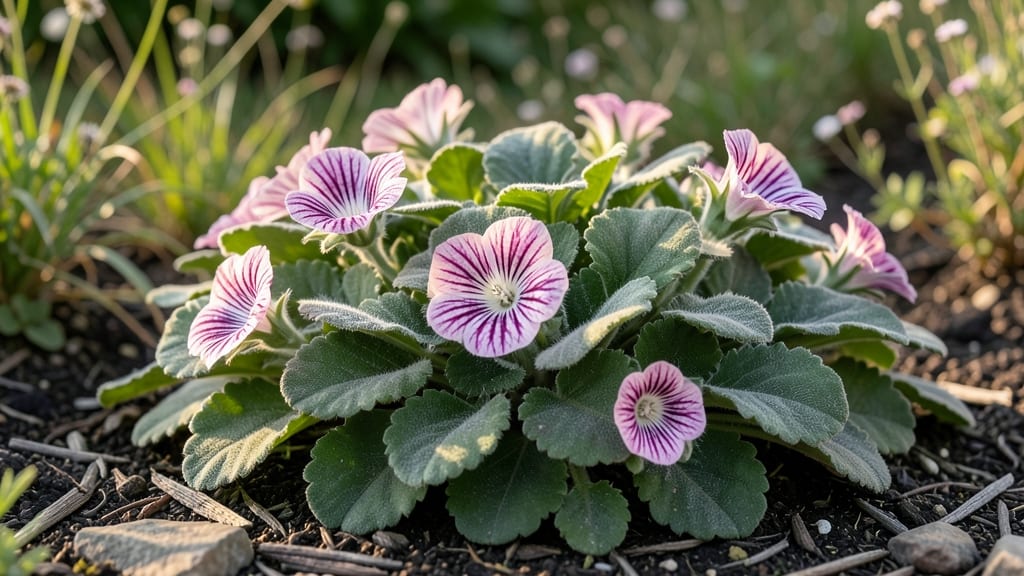
Growing Malva zebrina means adding bold, cold-resistant blooms that come back stronger every spring. 🌿 This perennial thrives where many plants fail, with striking zebra-striped foliage and cheerful pink-purple flowers that last from summer into fall.
I’ve watched mine push through snow in early spring, proving it’s one of the toughest yet most beautiful perennials for zones 3-9.
The secret to its success lies in well-draining soil and full sun to partial shade—it tolerates heat, drought, and even poor soil better than most. Water it deeply but infrequently once established, and you’ll spend less time fussing over it.
My plants spread gently over time, creating a lush ground cover that hummingbirds adore.
You’ll love how it self-seeds lightly, giving you free plants year after year, and how it resists deer and rabbits—a rare trait in perennials.
The foliage alone is stunning, but the flowers add a pop of color that brightens borders, cottage gardens, or even rocky slopes where nothing else thrives.
Here’s the best part: minimal maintenance after the first year. Prune back in early spring to tidy up, and watch it bounce back with even more vigor. Perfect for low-maintenance gardeners who want high-impact, long-lasting beauty with almost no effort.
📚 In This Guide
- What you need
- Instructions
- Tips and common mistakes
- Wrapping up and next steps
What you need
- ● Malva zebrina plants: Purchase 2–5 healthy nursery-grown plants (or seeds for a slower but rewarding option). Look for established perennials with lush, deep green leaves and no signs of pests.
- ● Well-draining soil: 1–2 cubic yards of a mix of garden soil, compost (50%), and coarse sand or perlite (20%) to prevent root rot.
- ● Sunlight access: A full-sun to partial shade location (6+ hours of direct sunlight daily for optimal blooms).
- ● Watering can or hose: For deep watering (1–2 gallons per plant, 2–3 times weekly) during the first growing season.
- ● Organic mulch: 2–3 inches of wood chips, straw, or shredded leaves to retain moisture and suppress weeds.
- ● Pruning shears: Bypass pruners (sharp and clean) for trimming dead foliage or shaping plants.
- ● Garden gloves: Heavy-duty nitrile-coated gloves to protect against prickly stems (especially when pruning).
- ● Fertilizer: Balanced, slow-release granular fertilizer (10-10-10) or compost tea for a nutrient boost in early spring.
- ○ Support stakes or trellis: Optional for taller varieties (e.g., bamboo stakes or wire cages) to prevent flopping.
- ● Cold-frame or frost cloth: For young plants in Zone 5 or colder during late fall/winter (if extending the growing season).
- ● Drip irrigation system: Automated option to maintain consistent moisture, especially in hot climates.
- ● Companion plants: Pair with drought-tolerant perennials (e.g., lavender, sedum, or ornamental grasses) for a cohesive border.
Step-by-Step guide to planting and caring for Malva zebrina perennials
This striking perennial thrives with minimal fuss once you nail a few key steps.
🌱 Step 1: Choose the Perfect Planting Location
Malva zebrina adores full sun to partial shade—at least 6 hours of sunlight daily—but handles heat better than many perennials. I always plant mine where they’ll get morning sun and afternoon shade in hotter climates. The plant’s deep roots appreciate well-draining soil, so avoid low spots where water pools after rain.
Test your soil’s drainage by digging a 6-inch hole and filling it with water. If it drains within 30 minutes, your spot is ideal. Amend heavy clay with 2-3 inches of compost before planting to improve structure. This perennial tolerates poor soil but rewards you with bold foliage and striking blooms when conditions are right.
🪴 Step 2: Plant at the Right Depth and Spacing
Dig a hole twice as wide as the root ball but only as deep—planting too deeply suffocates the crown. Gently loosen the roots if they’re circling and place the plant so the top of the root ball sits level with the surrounding soil. Malva zebrina spreads 18-24 inches wide, so space plants 2-3 feet apart for full, lush growth.
Backfill with native soil mixed with a handful of bone meal (optional but encourages strong root establishment). Water deeply to settle the soil and eliminate air pockets. Press lightly around the base, but don’t compact—these plants need room to breathe. Mulch with 2 inches of shredded bark to retain moisture and suppress weeds.
☀️ Step 3: Water Consistently During Establishment
Keep the soil evenly moist (not soggy) for the first 4-6 weeks after planting. Water deeply 2-3 times per week, aiming for 1 inch of water total. You’ll know you’re doing it right when the top 2 inches of soil feel damp but not waterlogged. Overwatering causes root rot, while underwatering stresses the plant before it establishes.
Once established, Malva zebrina is drought-tolerant—reduce watering to once every 2 weeks unless your area experiences extreme heat. The plant’s succulent leaves store water, making it resilient once roots are deep. Watch for wilting leaves as a sign to water; they’ll perk up within 24 hours of a deep drink.
✂️ Step 4: Prune for Health and Seasonal Interest
Deadhead spent blooms in late spring and summer to encourage more flowers and prevent self-seeding where you don’t want it. Use clean, sharp shears to snip just above a set of leaves. This perennial blooms spring through fall, so regular pruning keeps it looking tidy and prolongs the flowering season.
In early spring, cut back any dead or damaged stems to 4-6 inches tall. This stimulates fresh growth and prevents disease. Avoid heavy pruning in fall—let the plant’s natural shape guide you. Malva zebrina’s zebra-striped foliage is its signature, so never prune more than one-third of the plant at a time to maintain its striking appearance.
⏰ Step 5: Prepare for Winter and Encourage Regrowth
Malva zebrina is hardy to USDA Zone 5, but in colder regions, mulch with 4-6 inches of straw or leaves after the first frost. This protects the crown from freezing temperatures. I’ve seen these plants bounce back beautifully even after 20°F nights—their resilience is part of their charm.
In early spring, remove the mulch and trim back any blackened stems. New growth will emerge from the base within 2-3 weeks. Fertilize lightly with a balanced 10-10-10 in early spring to support the season’s growth. Avoid heavy feeding—this plant thrives on moderation and rewards patience with vibrant blooms and bold foliage year after year.
Tips & tricks for perfect Malva zebrina planting and care
These practical insights will help you avoid common pitfalls and maximize your Malva zebrina's striking potential.
Sunlight Strategy: While Malva zebrina thrives with 6 hours of sunlight, I've found the sweet spot is actually 6-8 hours for maximum bloom production. In hotter climates, morning sun with afternoon shade prevents leaf scorch while maintaining vibrant foliage. Watch for leaves that look bleached or crispy—this is your plant signaling it needs more shade during peak afternoon hours.
Root Establishment Secret: The 30-minute drainage test in Step 1 is crucial, but I recommend adding a layer of small gravel at the bottom of the planting hole for areas with heavy clay. This creates instant drainage while still allowing roots to establish properly. For container growing, use pots with drainage holes and a 1-inch layer of gravel at the bottom to prevent waterlogging.
Watering Wisdom: During the critical 4-6 week establishment period, I've learned to check soil moisture by lifting the plant gently—if it feels light, it needs water. The 2-inch soil depth check works, but this method gives you a more immediate reading. Once established, let the soil dry completely between waterings; the succulent leaves will wrinkle slightly when thirsty, then plump up within 24 hours after watering.
Winter Protection: The 4-6 inches of mulch recommended for Zone 5 is perfect, but I add a layer of burlap over the mulch in areas with 20°F nights. This extra protection prevents temperature fluctuations that can stress the crown. In spring, remove the burlap first, then the mulch—never let the plant sit exposed to sudden warm-up after winter.
Pro Tips for Malva Zebrina Perennial
- These practical insights will help you avoid common pitfalls and maximize your Malva zebrina's striking potential.
- Sunlight Strategy: While Malva zebrina thrives with 6 hours of sunlight, I've found the sweet spot is actually 6-8 hours for maximum bloom production.
- Root Establishment Secret: The 30-minute drainage test in Step 1 is crucial, but I recommend adding a layer of small gravel at the bottom of the planting hole for areas with heavy clay.
Frequently asked questions
Got questions about growing Malva zebrina perennials? You’re not alone!
Here are answers to the most common queries to help you nurture these cold-hardy beauties with confidence.
How cold-hardy is Malva zebrina, really?
Malva zebrina thrives in USDA zones 4–9, making it one of the toughest perennials for chilly climates. While it tolerates light frosts, mulch its base in winter to protect roots from extreme cold (below 10°F). In zone 3 or colder, grow it in containers and move indoors during winter.
When is the best time to plant Malva zebrina?
Plant seeds in early spring (after the last frost) or late summer for fall blooms. Transplant seedlings or bare-root plants in spring or early fall, giving roots time to establish before winter. Avoid planting in scorching summer heat—it stresses young plants!
Does Malva zebrina spread aggressively? How do I control it?
This plant spreads modestly via self-seeding and shallow roots. To manage it, deadhead spent blooms to reduce seed production. For contained growth, divide clumps every 2–3 years in early spring. It’s low-maintenance but won’t take over like mint!
What pests or diseases should I watch for?
Malva zebrina is pest-resistant, but aphids or spider mites may occasionally visit. Blast them off with water or use neem oil. Avoid overwatering—soggy soil invites fungal issues like powdery mildew. Ensure good airflow between plants to keep foliage dry.
Can I grow Malva zebrina in containers? What’s the ideal setup?
Use a 12–18-inch pot with well-draining soil and a mix of compost for nutrients. Place it in full sun to partial shade. For winter protection, wrap the pot in burlap or move it to a sheltered spot. Drainage holes are a must—root rot is its kryptonite!
What are some great companion plants for Malva zebrina?
Pair it with drought-tolerant perennials like lavender, catmint, or Russian sage for a low-water garden. It also plays well with ornamental grasses (like fountain grass) or salvias. Avoid heavy feeders—this plant prefers lean soil and won’t compete for nutrients.
Wrapping up and next steps
Malva zebrina is a stunning, low-maintenance perennial that brings vibrant color and resilience to your garden—year after year! 🌸 With its cold-hardy nature, striking foliage, and cheerful blooms, it’s a dream for both novice and experienced gardeners. Whether you’re drawn to its bold leaves or its cheerful flowers, this plant rewards patience with effortless beauty.
Ready to transform your garden? Start by choosing a sunny spot, preparing the soil, and planting your Malva zebrina with confidence. Watch as it thrives, spreads, and becomes a standout feature in your outdoor space!