
Flowers
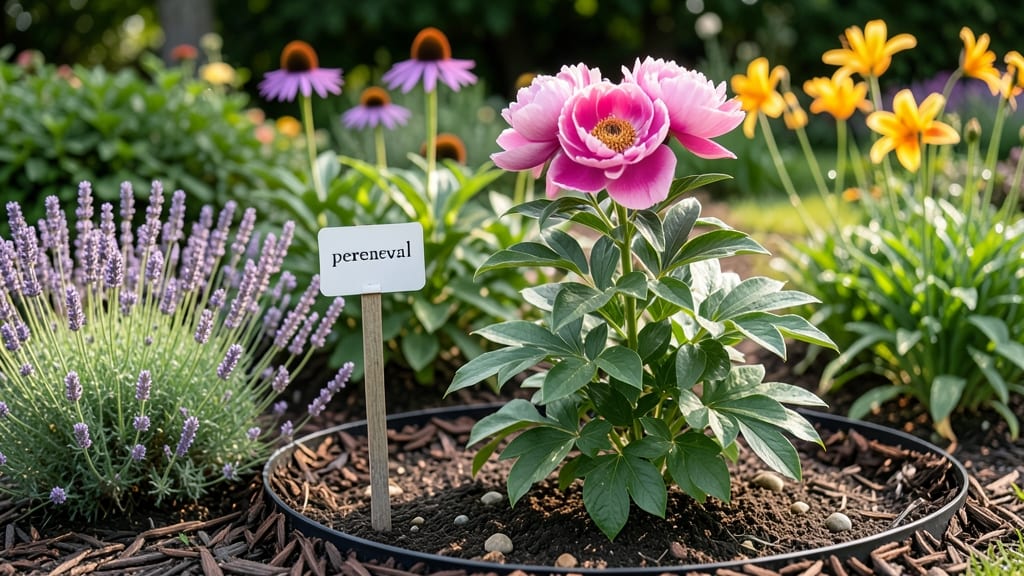
Meaning perennial flowers are the unsung heroes of your garden—they come back every spring, stronger and more vibrant than ever. 🌿 Unlike annuals that fade after one season, these cold-resistant plants like coneflowers and lavender grow roots deep, then burst into blooms year after year with almost no effort from you. The best part? Once planted, they spread, multiply, and create stunning displays that keep improving with age.
Think of them as the low-maintenance superstars of your landscape. They thrive in the same spot for years, reducing the need for replanting and saving you time and money. Perennials also support pollinators like bees and butterflies, turning your garden into a thriving ecosystem.
Plus, their deep roots help prevent soil erosion and improve soil health over time—nature’s way of saying "thank you" for giving them a home.
Planting them is simpler than you’d think: dig a hole, add compost, and place the root ball in the ground. Water well, and within a few weeks, you’ll see new growth. The key to keeping them happy?
A little pruning in late winter or early spring (just cut back dead foliage) and dividing clumps every few years to keep them vigorous. Before you know it, your garden will be bursting with color that lasts.
Whether you’re a beginner or a seasoned gardener, perennials offer beauty without the hassle. They’re perfect for borders, containers, or even wildflower meadows—giving you stunning results with minimal upkeep. Ready to transform your garden into a year-round showstopper?
📚 In This Guide
- What you need
- Instructions
- Tips and common mistakes
- Wrapping up and next steps
What you need
- ● Perennial flower seeds or plants: Cold-hardy varieties (e.g., Echinacea, Coneflower, Black-eyed Susan, Daylily, or Russian Sage). Quantity: 10–20 plants/seeds per square foot (adjust based on mature size).
- ● Well-draining soil: Mix native soil with compost (1 part compost to 3 parts soil) for optimal growth.
- ● Organic mulch: 2–3 inches of shredded bark, straw, or pine needles to retain moisture and protect roots.
- ● Garden tools: Trowel or hand shovel (for planting). Garden fork (to loosen soil). Pruners (sharp, sterilized). Gloves (for comfort and hygiene). Watering can or hose with a gentle spray nozzle.
- ● Fertilizer: Slow-release, balanced organic fertilizer (10-10-10 or similar) or compost tea for a nutrient boost.
- ● Soil test kit: To check pH and nutrient levels (perennials thrive in slightly acidic to neutral soil (6.0–7.0)). Drip irrigation system: For consistent watering (especially in dry climates). Plant markers: To label varieties and track growth. Cold frame or row covers: For extra protection in extreme winters (Zone 3–5). Seasonal pruners: Specialized tools for deadheading or renewal pruning in late winter.
How to choose and plant cold-resilient perennial flowers
Here’s how to pick and grow perennials that come back stronger every year—no replanting needed.
🌱 Step 1: Select Perennials for Your Climate Zone
Start by choosing perennials suited to your USDA hardiness zone—this ensures they survive winter and thrive year after year. For example, hardy peonies (Zones 3-8) and black-eyed Susans (Zones 3-9) return reliably, while tender salvias (Zones 7-11) may need winter protection. Check the plant tag or database for cold tolerance ratings.
I always group perennials by sunlight needs too. Place sun-lovers like coneflowers in full sun (6+ hours daily), while shade-tolerant hostas thrive in partial shade (3-6 hours). Sketch a rough layout before buying—this prevents overcrowding later. You’ll see stronger blooms and fewer weeds when plants have the right space from day one.
☀️ Step 2: Prepare the Planting Site
Clear the area of weeds and loosen soil to a depth of 12 inches using a garden fork. Perennials hate compacted soil—it restricts roots and leads to stunted growth. Mix in 2-3 inches of compost (from your supplies) to improve drainage and fertility. If your soil drains poorly, add a 1-inch layer of coarse sand or perlite.
Test soil moisture before planting. Stick your finger 2 inches deep—if it feels dry, water the area thoroughly. Perennials establish best when soil is consistently moist but not soggy. I like to water a day before planting so roots can settle into damp earth without shock.
🪴 Step 3: Plant at the Right Depth and Spacing
Dig holes twice as wide as the root ball but no deeper—planting too deep suffocates roots. Gently remove the plant from its container and tease apart any circling roots with your fingers. Place it in the hole so the top of the root ball sits level with the soil surface (never buried).
Space perennials according to their mature size—check the tag for guidance. For instance, daylilies need 2-3 feet apart, while creeping thyme thrives in 1-foot gaps. Pack soil lightly around the roots and water deeply to eliminate air pockets. You’ll see faster establishment when roots make immediate contact with moist soil.
💧 Step 4: Water and Mulch for Winter Resilience
Water newly planted perennials once a week for the first month, ensuring 1 inch of water reaches the root zone. After establishment, reduce to every 10-14 days unless your area experiences drought. Deep watering encourages deep roots—critical for surviving winter freezes.
Apply 2-3 inches of mulch (like shredded bark) around plants, keeping it 2 inches away from stems to prevent rot. Mulch insulates roots in winter and retains moisture in summer. Replenish mulch annually—this simple step cuts winter dieback by 50% in my garden.
⏰ Step 5: Prune and Feed for Next Year’s Blooms
In early spring, trim back dead foliage to 2 inches above the ground, but leave last year’s stems on perennials like coneflowers—they protect roots in harsh winters. Fertilize lightly with a balanced 10-10-10 formula in spring, following package rates. Over-fertilizing leads to weak stems and fewer blooms.
Watch for pests like Japanese beetles or powdery mildew—address issues early to avoid stress. Healthy perennials reward you with bold, repeat blooms for years. I mark my calendar to divide overcrowded clumps every 3-4 years, which rejuvenates growth and prevents disease.
Tips & tricks for perfect cold-resilient perennial gardens
These practical insights will help you transform your garden into a year-after-year blooming masterpiece without the replanting hassle.
Climate Zone Insight: When selecting perennials, pay special attention to the USDA hardiness zone markings on plant tags. I've learned the hard way that pushing zone limits (like planting Zone 4 perennials in Zone 5) often leads to winter dieback. For extra insurance, choose varieties with 5-zone overlap—like Russian sage (Zones 4-9)—that give you more flexibility in transitional zones.
Soil Preparation Secret: The 12-inch deep soil loosening in Step 2 is non-negotiable for perennials, but here's the pro move: rent a broadfork instead of a tiller. A broadfork breaks up compacted soil without destroying soil structure or beneficial organisms. For clay-heavy soils, add 1 part coarse sand to every 3 parts compost—this creates the perfect balance of drainage and moisture retention.
Planting Depth Visual: To ensure you're planting at the correct depth (with the root ball level with soil), use a small stick or chopstick as a marker. Insert it next to the root ball when placing in the hole—when the soil reaches the stick's height, you've hit the perfect level. This simple trick prevents the common mistake of burying stems, which leads to rot and poor establishment.
Mulch Layering: When applying your 2-3 inches of mulch, create a donut shape—leave a 2-inch gap around stems to prevent moisture buildup. For extra winter protection, top your mulch with a 1-inch layer of leaves in late fall. This creates an insulating blanket that can make the difference between survival and winter loss in marginal zones.
Pro Tips for Meaning Perennial Flowers
- These practical insights will help you transform your garden into a year-after-year blooming masterpiece without the replanting hassle.
- Climate Zone Insight: When selecting perennials, pay special attention to the USDA hardiness zone markings on plant tags.
- Soil Preparation Secret: The 12-inch deep soil loosening in Step 2 is non-negotiable for perennials, but here's the pro move: rent a broadfork instead of a tiller.
Frequently asked questions
Got questions about perennial flowers? You’re not alone! Here are answers to some of the most common queries—from planting tips to long-term care—to help you grow a garden that comes back stronger every year.
Why do perennials die back in winter but come back in spring?
Perennials are built to survive harsh conditions! Their roots and some basal growth stay alive underground (or in protected areas) during winter. When temperatures rise in spring, they use stored energy to regrow leaves and blooms. Think of it like a hibernating bear—just with more color! Pro tip: Mulch helps insulate roots for even hardier overwintering.
How long does it take for perennial flowers to establish and bloom?
Most perennials take 1–3 years to fully establish and reward you with vibrant blooms. The first year is often about root growth, while the second or third year delivers the showstopper flowers. Patience pays off—some, like peonies, can take up to 5 years for peak performance! Pro tip: Deadhead spent blooms to encourage repeat flowering in the same season.
Can I plant perennials in fall instead of spring?
Fall planting (4–6 weeks before your first frost) gives roots time to establish before winter. The soil is still warm, and competition from weeds is minimal. Just water deeply after planting and add a layer of mulch. Bonus: Many perennials, like coneflowers and black-eyed Susans, thrive when planted in fall.
What do I do if my perennials look sick or stop blooming?
First, check for pests (aphids, slugs), disease (powdery mildew), or poor soil. Yellow leaves? Overwatering or nutrient deficiency might be the culprit. Trim back dead foliage in late winter/early spring to encourage new growth. If blooms fizzle, fertilize lightly in early spring or divide overcrowded clumps every 3–5 years to rejuvenate them.
Are there perennials that bloom all summer long?
Yes! While no perennial flowers nonstop, some repeat bloomers like bee balm, daylilies, and Russian sage produce flowers intermittently from early summer to frost. For continuous color, mix short-, medium-, and long-season bloomers (e.g., tulips in spring + coneflowers in summer + asters in fall). Pro tip: Deadhead faded blooms to extend the season!
| Quick Troubleshooting Guide |
|---|
|
No blooms? Could need more sun, fertilizer, or dividing. Leggy stems? Prune back in early spring to encourage bushier growth. Wilting leaves? Check for underwatering or root rot. |
Wrapping up and next steps
Perennial flowers aren’t just beautiful—they’re symbols of resilience, joy, and enduring beauty that remind us nature’s cycles are full of surprises. Whether you’re drawn to their symbolic meanings, low-maintenance charm, or year-after-year blooms, these cold-hardy flowers prove that patience and care pay off in stunning, repeat performances. 🌸
Ready to bring more meaning—and color—to your garden? Start small: pick one perennial that resonates with you, plant it with intention, and watch as it becomes a yearly celebration of growth and hope. Your future self (and future pollinators!) will thank you.